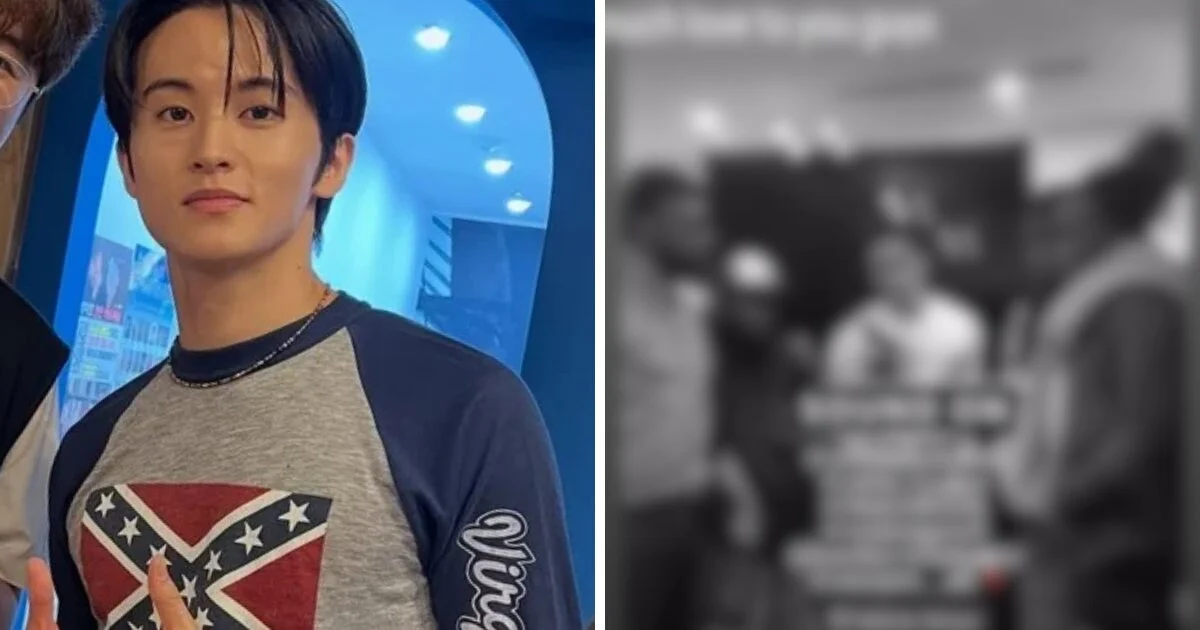
Mark Lee, a prominent member of the South Korean boy group NCT and its various sub-units, has found himself at the center of an intensifying social media storm following a series of posts intended to address a previous controversy involving his choice of attire. The situation, which began with the artist wearing a garment featuring the Confederate flag, has evolved into a broader discussion regarding cultural sensitivity, the efficacy of celebrity apologies, and the perceived use of "tokenism" in public relations strategies. Just hours after delivering a formal apology to his global fanbase, particularly the Black community, Lee shared content from a recent trip to Kenya, a move that many critics have labeled as a tone-deaf attempt to deflect from the severity of the original offense.
The Origins of the Controversy: Symbols and Significance
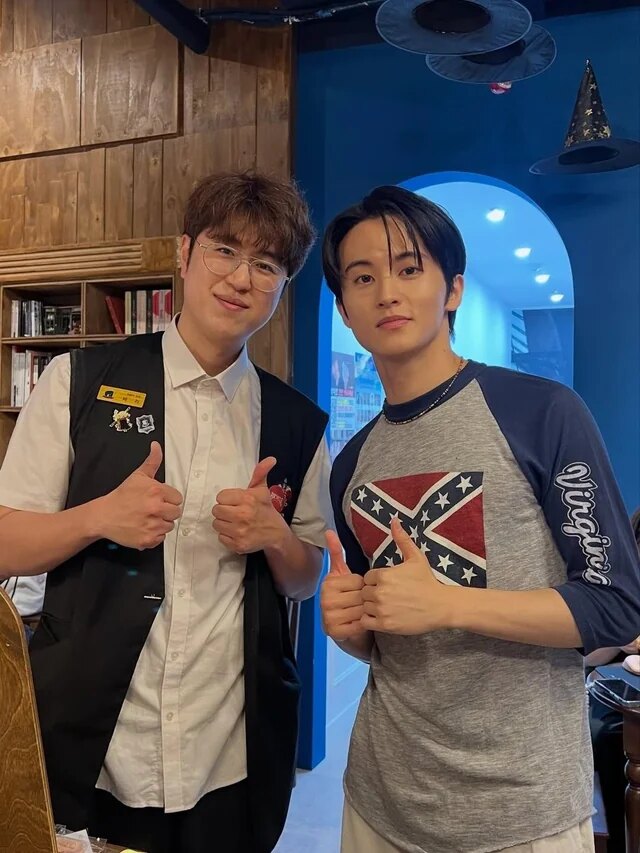
The initial controversy surfaced approximately two months ago when Mark Lee was photographed wearing a t-shirt emblazoned with the Confederate battle flag. The symbol, characterized by a blue saltire with white stars on a red field, is inextricably linked to the Confederate States of America and the American Civil War. In contemporary discourse, the flag is widely recognized as a symbol of white supremacy, the defense of slavery, and systemic racism. While some proponents in the Southern United States have historically argued it represents "heritage," civil rights organizations such as the Anti-Defamation League and the NAACP have long categorized it as a symbol of hate.
For a global icon like Lee, who was born in Toronto and raised in Vancouver, Canada, the choice of clothing sparked immediate disappointment among fans who expected a higher level of historical and cultural literacy. Given Lee’s North American upbringing, critics argued that he should have been inherently aware of the flag’s connotations, unlike idols who may have been raised entirely within the South Korean educational system where Western historical nuances are sometimes less emphasized.
A Delayed Response and the Resulting Confusion
After weeks of silence and mounting pressure from fans—often coordinated through social media campaigns and "mass-emailing" to his agency, SM Entertainment—Lee addressed the issue directly on August 21, 2026. During a live broadcast on Instagram, he offered a verbal apology, stating that the incident did not reflect his character and expressing regret for the pain caused to his Black fans.
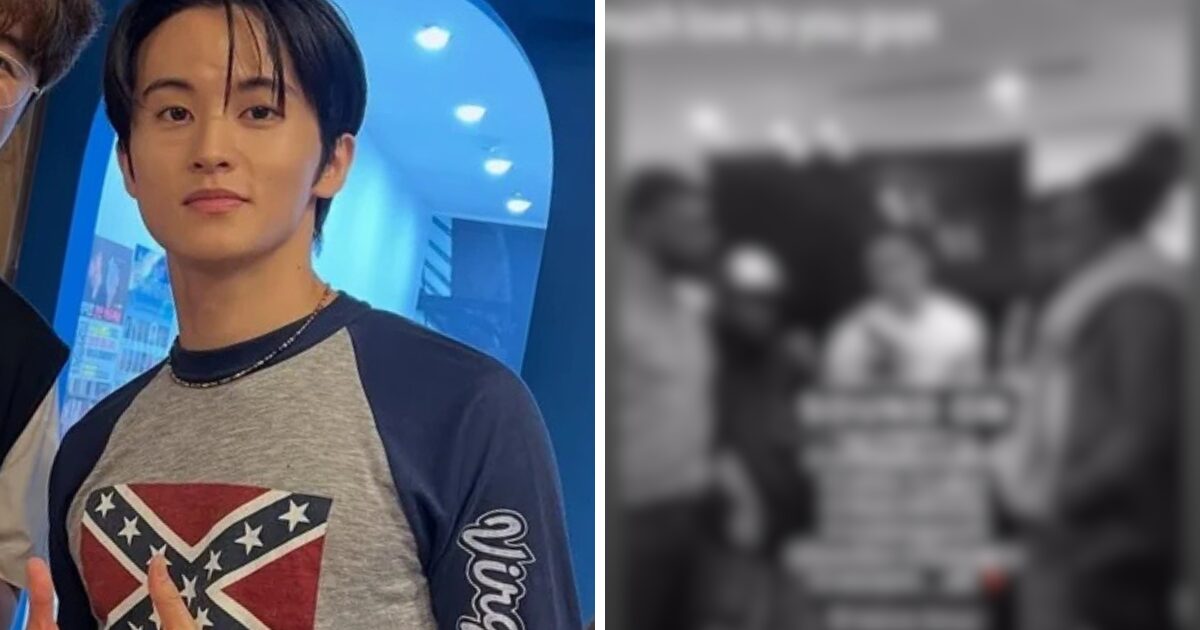
However, the verbal apology was met with immediate confusion due to a linguistic ambiguity. During the broadcast, Lee stated, "I really wanted to directly tell you guys it really wasn’t my intention with me knowing the meaning of the flag, the historical significance of it." The phrasing "with me knowing" led many viewers to believe he was admitting he knew the meaning of the flag at the time he wore it, which would imply a deliberate choice rather than an oversight.
Recognizing the escalating confusion, Lee quickly posted a follow-up text statement on his Instagram story to clarify his intent. He wrote, "What I meant to say was that I did not know the meaning or historical significance of the symbol at the time." While this clarification addressed the linguistic slip, it did little to quell the dissatisfaction of fans who felt the apology was overdue and lacked the depth required for such a sensitive subject.
The Kenya Post: Accusations of Deflection and Tokenism
The situation took a more contentious turn on August 22, 2026, when Lee reposted a video to his Instagram story originally shared by Faiza Hersi, a Kenyan music executive and the founder of Nairobi R&B. The video depicted Lee in a recording studio environment in Nairobi, Kenya, singing and collaborating with a group of local vocalists. Lee captioned the repost with "much love to you guys."
The timing of this post—occurring less than 24 hours after his apology for a controversy involving a symbol of anti-Black racism—triggered a secondary wave of backlash. Critics on platforms such as X (formerly Twitter) and TikTok accused the artist of "performative activism" and "tokenism." The core of the criticism lies in the perception that Lee was using his interactions with Black Africans to "prove" his lack of prejudice, thereby shielding himself from further criticism regarding the Confederate flag incident.
One viral post on X remarked, "I offended Black Americans so let me go sing with a Kenyan choir," highlighting the perceived conflation of different Black identities to serve a singular PR purpose. Other fans expressed frustration that the artist did not allow space for the apology to settle, instead opting to immediately pivot the conversation back to his career and "wholesome" image.

Supporting Perspectives: Faiza Hersi’s Defense
Amidst the criticism, Faiza Hersi, the executive who originally posted the video, came to Lee’s defense. In a lengthy comment on Lee’s Instagram, Hersi shared her experience working with the artist during his visit to Kenya earlier this year. She described him as "respectful, collaborative, down-to-earth and genuinely present."
Hersi’s statement offered a different perspective on the matter, suggesting that regional histories are not always globally understood. She noted, "We must acknowledge that the world is massive, and specific regional histories may not be top of mind for everyone globally immediately." She further speculated that Lee’s move to Korea at a young age to pursue his career might have contributed to a gap in his historical knowledge, characterizing the t-shirt choice as an "honest stylistic error with a vintage shirt."
While Hersi’s defense provided a character reference for Lee, it also highlighted the divide between industry professionals and the consumer base. For many fans, the issue was not Lee’s personal kindness in a studio setting, but the systemic implications of the symbol he wore and the perceived tactical nature of the social media posts that followed.
Contextualizing the Kenya Trip: A Pivotal Moment in Lee’s Career
The footage from Kenya was not a new development but rather a look back at a trip Lee took earlier in the year. He had previously spoken to fans about this visit, describing it as occurring during "a very important time" in his life. Industry analysts have pointed out that this period likely coincided with the contract renewal negotiations for NCT members with SM Entertainment.
During that time, Lee shared anecdotes about his safari experiences, specifically mentioning how seeing a wild lion shifted his perspective on his career and life. This trip appears to have been a spiritual or creative retreat for the artist. However, by choosing to re-share this specific content in the immediate wake of a racism controversy, the narrative of "personal growth" became entangled with "damage control" in the eyes of the public.
The Broader Impact on the K-Pop Industry
The Mark Lee controversy is symptomatic of a larger, recurring issue within the K-pop industry: the struggle to navigate global cultural sensitivities while maintaining a curated, "perfect" idol image. As K-pop has expanded from a regional phenomenon to a multi-billion dollar global industry, the demand for cultural competency has increased exponentially.
In recent years, several high-profile idols and agencies have faced similar backlash for cultural appropriation, the use of racial slurs in song lyrics, or the wearing of offensive symbols. Often, the response from agencies is a standard, templated apology that many fans find insincere. Mark Lee’s decision to address the issue personally on a live broadcast was initially seen as a step toward greater accountability, but the subsequent execution has demonstrated the risks of unscripted or poorly timed communication.
Fact-Based Analysis of Public Relations Implications
From a public relations standpoint, the "Mark Lee incident" serves as a cautionary tale regarding the "rebound effect." When a celebrity is accused of a specific type of bias, immediately posting content that shows them in proximity to the group they offended can often backfire. This is because it can appear as a strategic attempt to "humanize" the celebrity at the expense of the marginalized group, rather than a genuine effort to learn or make amends.
Furthermore, the delay of two months between the incident and the apology created a vacuum that was filled with speculation and resentment. In the digital age, where information travels instantaneously, a sixty-day silence is often interpreted as indifference. When the apology finally arrived, it was already under a microscope, leaving no room for the subsequent "pivot" to Kenya-related content to be viewed as anything other than a calculated distraction.
Conclusion: The Path Forward for Mark Lee and NCT
As of now, neither Mark Lee nor SM Entertainment has issued further statements regarding the backlash to the Kenya post. The artist continues to engage with his schedule, but the discourse surrounding his cultural awareness remains a significant talking point within the K-pop community.
The incident highlights a critical need for comprehensive cultural education within entertainment agencies that manage global talent. As NCT continues to tour internationally and engage with diverse fanbases in North America, Europe, and Africa, the expectations for their behavior will only continue to rise. For Mark Lee, the challenge will be to demonstrate through consistent, long-term actions—rather than timed social media posts—that he understands the weight of the symbols he chooses to wear and the impact of his words on a global scale.
The controversy remains a developing story, with fans and critics alike watching closely to see how the artist and his management navigate the complex intersection of global fame and historical responsibility in the weeks to come.