Mastering K-Pop Fashion: A Guide to Integrating Idol Style into Your Personal Wardrobe
Article Editorial Team
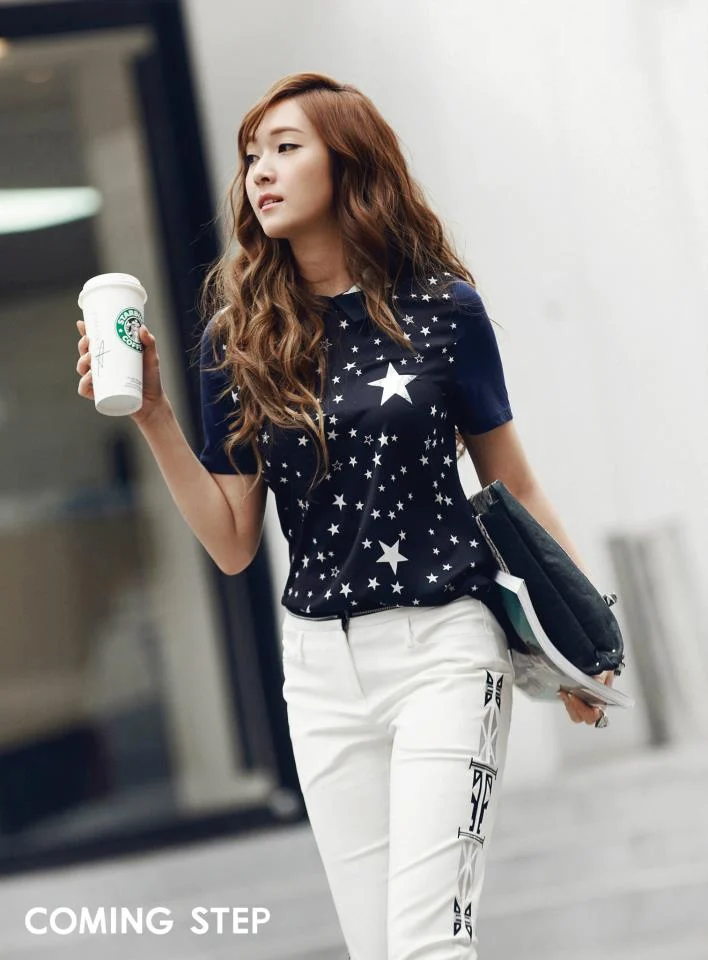
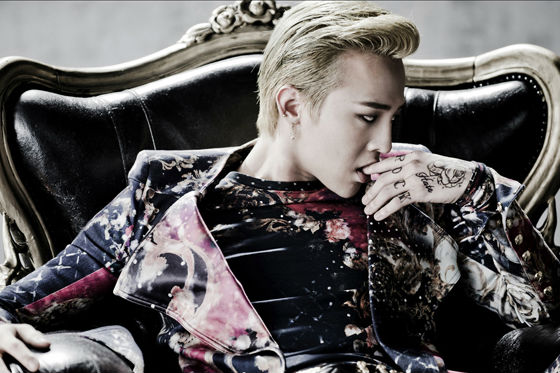
The K-pop industry has long been celebrated for its visually arresting performances, where meticulous attention to detail extends far beyond intricate choreography. A critical component of this polished aesthetic is the dedicated team of stylists, hair, and makeup artists who meticulously craft each idol’s appearance for every public engagement, from high-energy music show performances and elaborate concert tours to casual airport strolls and ubiquitous variety show appearances. This pervasive emphasis on visual presentation has, unsurprisingly, inspired a global legion of fans to emulate their favorite stars. While many dedicate themselves to learning complex dance routines and mastering vocal covers, the most accessible and widespread avenue for fan engagement lies in fashion. As clothing is a universal necessity, the aspiration to incorporate K-pop idol styles into personal wardrobes is a natural progression. However, translating the dazzling ensembles seen on stage into everyday wear presents a unique challenge, requiring more than simply acquiring the exact pieces worn by stars like Jessica of Girls’ Generation or G-Dragon of BIGBANG. The true art lies in discerning how to adapt these trends to one’s individual style and daily life.
The Allure of K-Pop Fashion and the Challenge of Adaptation
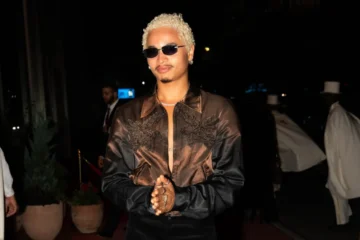
K-pop’s visual dynamism is undeniable, with idols serving as trendsetters across a spectrum of fashion styles. Their carefully curated looks, often a blend of high fashion, street style, and bespoke stage costumes, capture the imagination of millions. This has led to numerous fan guides and shopping recommendations aimed at helping consumers replicate specific idol outfits. Yet, the original article highlights a crucial distinction: K-pop fashion, as presented by idols, is often designed for performance environments. Wearing an amalgamation of individual idol trends – such as Key’s distinctive earrings, CL’s statement footwear, or Woohyun’s avant-garde jacket – without careful consideration can inadvertently result in a look that resembles a costume rather than a cohesive personal style. The goal for most fans is not to mimic idols identically, but rather to capture the essence of their coolness and stylishness in a way that is appropriate and authentic for their own lives.
Deconstructing Idol Style: Beyond the Surface-Level Acquisition
The core principle for successfully integrating K-pop fashion into one’s personal style is the nuanced approach of incorporation rather than imitation. This involves understanding that many idol outfits are conceived as stage costumes, designed to be impactful under bright lights and in dynamic performance settings. When these distinct elements are combined without regard for personal context, the result can appear disjointed or overly theatrical. The challenge, therefore, is to identify transferable trends and adapt them to everyday wear. This requires a self-awareness of one’s existing wardrobe and personal aesthetic preferences. Instead of simply purchasing a coveted item worn by an idol, the focus should shift to how that item, or a similar trend, can complement existing pieces and enhance one’s natural style. This approach not only fosters a more authentic and wearable look but also encourages a deeper engagement with personal fashion choices, moving beyond passive consumption to active curation.
Identifying Your Personal Style: The Foundation for K-Pop Integration
The journey toward adopting K-pop-inspired fashion begins with introspection. Before diving into the latest trends, it is essential to understand one’s own sartorial inclinations. Key questions to consider include: Do you gravitate towards a minimalist color palette and structured silhouettes, or do you prefer a more relaxed, sporty aesthetic? Are you drawn to androgynous styles, perhaps drawing inspiration from menswear with its muted tones and tailored pieces? Recognizing these preferences provides a crucial foundation upon which to build. K-pop offers a vast canvas of styles, from the hyper-feminine to the edgy and urban, and by understanding your own inclinations, you can more effectively identify which trends resonate with your personal taste. This self-discovery process is vital to avoid becoming a mere replica of an idol, such as Zelo of B.A.P. or Minah of Girl’s Day, and instead allows for the development of a unique and confident personal style.
The process of defining personal style is often iterative and fluid. It involves experimentation and a willingness to try new things. Fashion, at its core, is a form of self-expression, and the exploration of different looks is a natural part of this evolution. K-pop provides a rich source of inspiration for this exploration. Whether it’s the bold patterns favored by idols like Fei of miss A in certain music video concepts, or the effortlessly cool jackets sported by Eunhyuk of Super Junior during concert appearances, these elements can serve as starting points. However, the crucial step is not to replicate these looks wholesale but to consider how a particular trend can be interpreted through the lens of one’s existing wardrobe and personal aesthetic. This mindful approach ensures that the adopted styles feel authentic and integrated, rather than imposed.
Strategic Incorporation: The Power of Small Doses and Conscious Choices
The key to successfully integrating K-pop fashion trends lies in their judicious application. Rather than adopting an entire idol-inspired outfit, the strategy should be to incorporate elements in small doses. This means selecting one or two trends that resonate with your personal style and integrating them thoughtfully into your existing wardrobe. For instance, if you favor a minimalist aesthetic, you might opt for a single, statement accessory inspired by an idol’s look, such as a unique necklace or a pair of distinctive shoes, rather than a full ensemble. Similarly, if your preference leans towards a more casual vibe, you might choose to incorporate a trendy outerwear piece, like a bomber jacket or an oversized hoodie, that echoes an idol’s off-duty style. This approach allows you to experiment with new trends without overwhelming your personal style or risking the creation of a costume-like appearance.
Furthermore, when considering a new piece of clothing or accessory inspired by K-pop fashion, it is essential to evaluate its compatibility with your current wardrobe. Instead of envisioning how it would pair with other trendy items, think about how it would complement the pieces you already own and frequently wear. This exercise in mindful pairing not only helps in creating cohesive and wearable outfits but also serves a practical purpose: it saves money. By prioritizing items that can be integrated into existing ensembles, you can avoid the pitfall of accumulating trendy pieces that may quickly fall out of favor or prove difficult to style in everyday situations. This practice encourages a more sustainable and cost-effective approach to fashion, aligning with the principles of conscious consumerism.

The Evolution of Personal Style: A Progressive and Experimental Journey
The pursuit of a distinct personal style, particularly one influenced by the dynamic world of K-pop, is a progressive and ongoing journey. It is not about achieving a static, perfect look but rather embracing an evolving aesthetic that reflects personal growth and changing preferences. The advice to "start slowly and in small quantities" is particularly relevant when contemplating significant style changes. Investing heavily in a complete overhaul of one’s wardrobe based on fleeting K-pop trends can lead to regret if those trends do not ultimately align with one’s comfort and preferences. Instead, a gradual approach, involving the acquisition of a few key pieces and consistent experimentation, allows for a more organic and sustainable development of personal style.
This iterative process of experimentation is crucial. Fashion is, after all, a playground for self-discovery. By trying different combinations, experimenting with various silhouettes, and observing how certain styles make you feel, you can refine your understanding of what works best for you. The fashion industry, including the K-pop sector, is constantly innovating, and trends emerge and evolve at a rapid pace. Remaining adaptable and open to trying new things is key to staying engaged with your evolving style. However, this adaptability should be guided by a core understanding of your personal preferences, ensuring that any adopted trends serve to enhance, rather than detract from, your individual aesthetic. The goal is to create a look that is both current and authentically you.
Building Confidence Through Authentic Expression
Ultimately, the most impactful element of any successful fashion endeavor, whether inspired by K-pop or any other source, is confidence. Once you have thoughtfully integrated trends into your personal style and feel comfortable and authentic in your chosen outfits, the confidence to wear them proudly will naturally follow. This inner assurance is the true finishing touch that elevates any ensemble. It allows you to transcend the limitations of merely copying an idol’s look and instead project an image of self-assuredness and individuality.
The process of developing a personal style, particularly one that draws inspiration from the visually rich world of K-pop, is an ongoing experiment. Like any scientific endeavor, experiments can sometimes yield unexpected results. The key is to approach these experiments with thoughtfulness and intention. By consciously making choices that reflect your personal taste and by striving to make different trends your own, you can cultivate the confidence to assemble a diverse range of outfits without feeling like you are merely playing a role or "cosplaying" as a K-pop idol. The objective is to embody the essence of K-pop’s stylishness in a way that is entirely your own, fostering a genuine and lasting sense of personal style.

Supporting Data and Industry Context
The K-pop industry’s global reach has significantly impacted fashion trends worldwide. A report by the Korea Creative Content Agency (KOCCA) indicated that the Hallyu wave, or Korean Wave, has seen a substantial increase in the global consumption of Korean cultural products, including music, dramas, and fashion. This surge in interest directly correlates with the growing influence of K-pop idols as fashion icons. For instance, brands that have K-pop idols as their ambassadors often report significant increases in sales and brand recognition. A prime example is the luxury fashion house Louis Vuitton, which appointed all seven members of BTS as its global ambassadors in 2021, a move that reportedly boosted their social media engagement and brand visibility significantly. Similarly, other brands like Adidas, Celine, and Gucci have partnered with various K-pop groups and solo artists, further solidifying the link between K-pop and high fashion. This phenomenon demonstrates not just fan emulation but a genuine integration of K-pop aesthetics into mainstream fashion discourse and commercial strategies. The financial implications of this trend are substantial, with the global fashion market continuously seeking to tap into the passionate and trend-setting fan bases of K-pop. The consistent output of new music, music videos, and public appearances by these artists ensures a continuous flow of fresh visual content that influences fashion, creating a cyclical relationship between the music industry and apparel markets. The sustained popularity of these idols as fashion influencers suggests that their impact on global style trends is a long-term phenomenon, rather than a fleeting fad. This data underscores the importance of understanding the underlying principles of K-pop fashion to effectively integrate it into one’s personal style.
Chronological Development of K-Pop Fashion Influence
The influence of K-pop on global fashion can be traced back to the early days of the Hallyu wave. While the first generation of K-pop idols (late 1990s to early 2000s) laid the groundwork with distinct fashion statements, it was the second generation (mid-2000s to early 2010s) that saw a significant rise in visual artistry and fashion experimentation. Groups like Girls’ Generation, BIGBANG, and Wonder Girls became synonymous with specific fashion trends, from cute and quirky aesthetics to bold and edgy styles. This era marked the beginning of widespread fan attempts to replicate these looks. The third generation of K-pop (early 2010s to late 2010s), exemplified by groups like EXO, BTS, BLACKPINK, and TWICE, witnessed an exponential growth in K-pop’s global popularity. These groups, often backed by substantial styling budgets and international fashion partnerships, solidified K-pop idols as major players in the global fashion scene. Fashion weeks began to feature K-pop idols more prominently, and brands actively sought collaborations. The current, fourth generation of K-pop (late 2010s to present), with groups like Stray Kids, ITZY, TXT, and aespa, continues this trend, pushing boundaries with avant-garde designs, innovative styling, and a stronger emphasis on individual member styling that reflects diverse personal tastes. This chronological progression highlights how K-pop fashion has evolved from an internal industry focus to a significant global force, continuously influencing and being influenced by international fashion trends. Each generation has contributed to the diverse and dynamic landscape of K-pop style, offering a rich tapestry of looks to draw inspiration from.
Broader Impact and Implications
The pervasive influence of K-pop fashion extends beyond individual consumer choices to broader cultural and economic implications. The global recognition of K-pop idols as fashion influencers has elevated the Korean fashion industry, fostering increased demand for Korean designer brands and contemporary fashion. This has led to significant economic opportunities, including job creation in styling, design, manufacturing, and marketing. Furthermore, the visual nature of K-pop has democratized fashion inspiration, making it more accessible to a wider audience through social media platforms and online content. This accessibility has empowered individuals to experiment with their personal style, fostering a more diverse and inclusive fashion landscape. The emphasis on self-expression and individuality within K-pop fashion, while often presented through highly curated lenses, ultimately encourages fans to explore their own identities through their sartorial choices. This phenomenon can contribute to a greater appreciation for cultural exchange and the blending of global fashion influences. The ability of K-pop to transcend geographical and cultural boundaries through its visual appeal and fashion trends serves as a powerful testament to the evolving nature of globalization and cultural influence in the 21st century. The continued integration of K-pop into the global fashion ecosystem suggests a lasting impact on how trends are disseminated, consumed, and ultimately, how personal style is defined.
Related News