Mastering K-Pop Fashion: From Stage Presence to Personal Style
Article Editorial Team
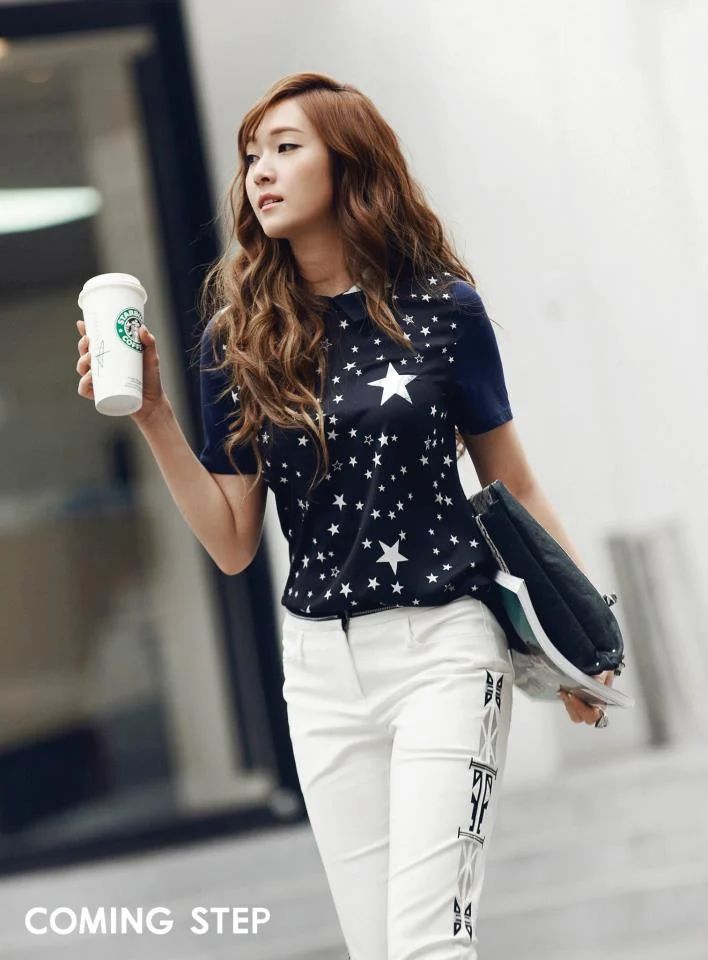
The vibrant and visually captivating world of K-pop extends far beyond catchy melodies and intricate choreography. A significant element of its global appeal lies in the meticulously crafted aesthetics of its idols, a phenomenon that has inspired countless fans to emulate their fashion choices. While the allure of K-pop style is undeniable, translating the elaborate ensembles seen on stage or at airport arrivals into wearable, everyday fashion requires a nuanced approach. This article delves into the strategies and considerations for fans aiming to incorporate K-pop fashion into their personal wardrobes, moving beyond mere replication to cultivate an authentic and individualistic style.
The Visual Spectacle of K-Pop Idols
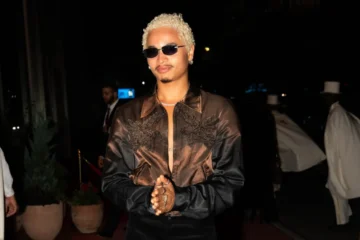
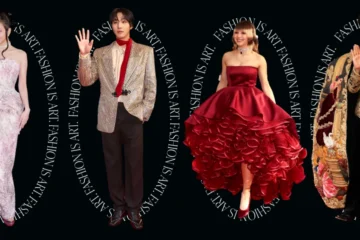
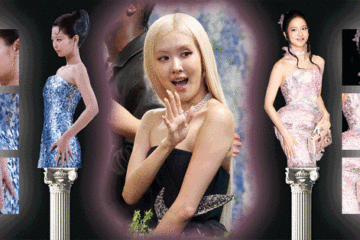
K-pop’s visual dimension is a carefully orchestrated production. Idols invest countless hours in perfecting their dance routines, but an equally dedicated team of stylists, hair artists, and makeup professionals ensures their flawless appearance for every public engagement. From high-energy music show performances and sold-out concerts to casual airport strolls and variety show appearances, K-pop artists are consistently presented with a polished and aspirational image. This unwavering commitment to visual presentation has a profound impact on their audience, fostering a desire to not only consume the music but also to adopt the distinctive fashion sensibilities of their favorite stars.
The accessibility of fashion makes it a primary avenue for fan emulation. While learning complex choreography or mastering vocal techniques may be challenging, integrating elements of K-pop style into one’s daily attire is a more attainable goal for many. The ubiquity of clothing in everyday life—whether for school, work, or social outings—provides a natural canvas for fans to draw inspiration from the sartorial choices of their idols. This has led to a growing interest in understanding how to deconstruct and adapt these looks for personal wear.
Beyond Replication: The Nuance of K-Pop Style Adaptation
Previous attempts to guide fans in adopting K-pop fashion have often focused on identifying specific items worn by idols, such as a particular handbag carried by Girls’ Generation’s Jessica or a distinctive hat donned by BIGBANG’s G-Dragon. While finding these pieces might be the initial step, achieving a cohesive and personal K-pop-inspired style involves more than simply acquiring a celebrity’s wardrobe. The critical challenge lies in understanding the context and intent behind idol fashion.
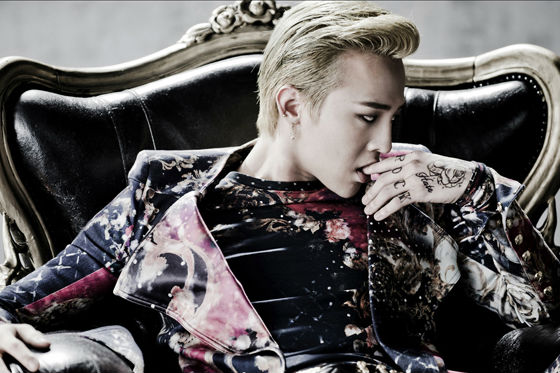
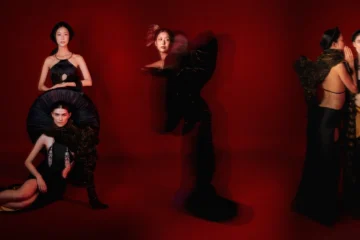
Many of the striking outfits worn by K-pop artists are, in essence, stage costumes. They are designed to be impactful under bright lights, in motion, and within the specific narrative of a performance or concept. When individual elements of these elaborate costumes—such as the statement earrings of SHINee’s Key, the bold footwear of 2NE1’s CL, or the distinctive jackets of INFINITE’s Woohyun—are combined without careful consideration, the result can inadvertently resemble a costume rather than a stylish everyday outfit. The goal for most fans is not to appear as though they are performing on stage, but rather to channel the coolness and trendsetting appeal of idols into their regular lives.
Cultivating Personal Style Through K-Pop Influence
The key to successfully integrating K-pop fashion lies in moderation and a strong sense of personal style. Rather than attempting to replicate entire looks, fans are encouraged to identify trends that resonate with their existing aesthetic and integrate them judiciously. This process begins with self-reflection: understanding one’s own style preferences, whether they lean towards minimalist palettes and structured fits, casual and sporty ensembles, or even menswear-inspired silhouettes in muted tones.
Fashion is inherently about experimentation and evolution. Fans are advised to explore different looks and discover what genuinely appeals to them. The aim is not to become a carbon copy of idols like B.A.P’s Zelo or Girl’s Day’s Minah, but to use K-pop as a source of inspiration to define and enhance one’s unique identity. By observing which K-pop trends naturally align with their personal inclinations, individuals can make more informed choices.
A Strategic Approach to Fashion Evolution
For those seeking to transform their style, a gradual and experimental approach is recommended. Investing heavily in a complete wardrobe of trendy K-pop-inspired pieces without a clear direction can lead to buyer’s remorse. Instead, starting with small, carefully chosen items allows for a more organic integration into one’s existing closet. This mindful approach not only prevents unnecessary expenditure but also facilitates a deeper understanding of what works best for the individual.
Once a clearer sense of personal style begins to emerge, fans can more effectively assess whether a particular item, such as the patterned pants worn by miss A’s Fei in a music video or a striking jacket seen on Super Junior’s Eunhyuk, truly aligns with their evolving aesthetic. The crucial consideration then becomes how to integrate this piece with items already owned. This shifts the focus from simply copying to creatively incorporating, ensuring that the new addition enhances rather than dominates the existing wardrobe. This strategy is not only more sustainable but also more financially prudent.

The Empowering Journey of Personal Expression
The process of discovering and refining personal style is an ongoing journey. By thoughtfully considering how K-pop trends can complement their existing wardrobe and personal aesthetic, individuals can make informed purchasing decisions. Once a decision is made to acquire an item, the emphasis should be on wearing it with confidence and making it truly their own. The absence of a personal stylist does not preclude the ability to be stylish.
Ultimately, the confident execution of an outfit hinges on self-assurance. Confidence is the essential finishing touch that elevates any ensemble. Embracing experimentation and acknowledging that fashion choices are a form of ongoing exploration are key. By thoughtfully curating their looks and consistently striving to make trends their own, individuals can build a wardrobe that reflects their personality, allowing them to confidently express themselves without feeling like they are merely playing a role or cosplaying as a K-pop idol. This empowers them to navigate the world with a style that is both inspired and uniquely their own.
Analyzing the Broader Impact of K-Pop Fashion Influence
The global reach of K-pop has undeniably reshaped fashion trends and consumer behavior. The meticulous attention to detail in idol styling has set a new benchmark for visual presentation in the entertainment industry worldwide. This has, in turn, fueled a significant market for fashion items associated with K-pop culture, from high-end designer collaborations to fast-fashion interpretations of idol outfits.
Supporting Data and Market Trends:
- Global Fashion Market Growth: The K-pop phenomenon has contributed to the growth of the global fashion market, particularly in segments catering to youth culture and online retail. The demand for specific brands or styles endorsed by K-pop idols can lead to rapid sell-outs and significant revenue for both established and emerging fashion houses.
- Influence on Streetwear: K-pop’s aesthetic often incorporates elements of streetwear, athleisure, and avant-garde designs. This has had a tangible impact on global streetwear trends, with many designers and brands drawing inspiration from the bold colors, oversized silhouettes, and unique layering techniques popularized by K-pop artists.
- E-commerce and Fan Platforms: The rise of e-commerce platforms has made it easier for fans to access K-pop-related fashion. Dedicated fan communities and online marketplaces facilitate the sharing of style information, shopping guides, and direct purchasing of items. This has created a robust ecosystem around K-pop fashion consumption.
Chronology of K-Pop Fashion’s Rise:

- Early 2000s: The initial wave of K-pop saw idols adopting more mainstream fashion trends, often influenced by Japanese and Western styles. Visuals were important, but the focus was often on creating a cohesive group image.
- Mid-2000s to Early 2010s: With the emergence of groups like Girls’ Generation, BIGBANG, and 2NE1, K-pop fashion began to develop its distinct identity. Idols started experimenting with more daring styles, unique color palettes, and elaborate stage costumes that became highly influential. This period saw the rise of dedicated stylists and a more conscious effort to create iconic looks.
- Mid-2010s to Present: K-pop fashion has become a global phenomenon, influencing mainstream fashion cycles. Idols are increasingly seen as style icons, collaborating with luxury brands and setting trends that are quickly adopted by fashion-forward individuals worldwide. The influence extends to music videos, concept photos, and social media, solidifying K-pop’s position as a major driver of global fashion trends.
Analysis of Implications:
The pervasive influence of K-pop fashion has several implications:
- Democratization of Style: While high fashion is often associated with exclusivity, K-pop’s emphasis on accessible trends and the ability to adapt them for everyday wear has, in a sense, democratized style. Fans feel empowered to experiment and incorporate elements of idol fashion into their personal lives, regardless of their budget.
- Cultural Diplomacy and Soft Power: K-pop’s fashion output serves as a powerful form of cultural diplomacy. The stylish presentation of idols enhances the global image of South Korea, contributing to its soft power and economic influence. The appeal of K-pop extends beyond music, encompassing a lifestyle that many aspire to emulate.
- Challenges of Fast Fashion and Sustainability: The rapid pace of K-pop trends can contribute to the pressures of fast fashion, encouraging consumers to constantly update their wardrobes. This raises questions about sustainability and ethical consumption, prompting a need for more conscious fashion choices among fans. The article’s emphasis on mindful purchasing and personal style adaptation can be seen as a counter-narrative to this challenge.
Inferred Statements and Reactions:
While direct statements from stylists or fashion houses regarding the everyday adaptation of K-pop fashion are not explicitly provided in the source, the underlying message of the article implies a desire for fans to move beyond literal replication. Stylists often work with idols to create looks that are impactful on stage but may not be practical for daily wear. The advice to "incorporate trends in small doses" suggests an understanding that idol fashion is aspirational and requires thoughtful translation for personal style. This implicitly acknowledges that the goal for fans is not to become replicas, but rather to draw inspiration and integrate elements into their own unique fashion narratives.
The enduring appeal of K-pop fashion lies not just in the visual spectacle but in its capacity to inspire and empower individuals. By understanding the nuances of stage presentation versus everyday wear, and by focusing on personal expression over imitation, fans can confidently navigate the world of K-pop style, making it a vibrant and authentic extension of themselves.
Related News