Mastering K-Pop Fashion: Navigating Trends to Cultivate Personal Style
Article Editorial Team
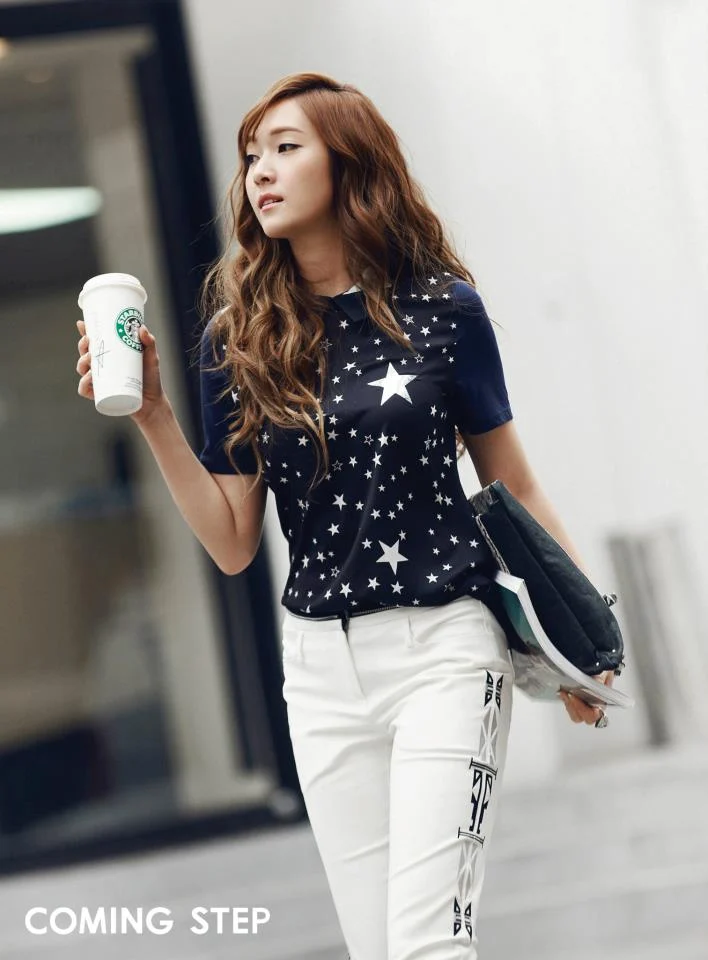
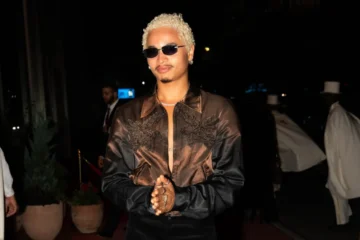
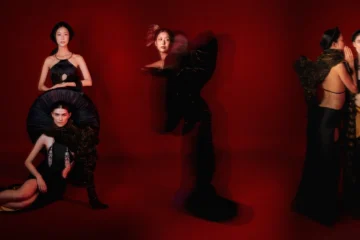
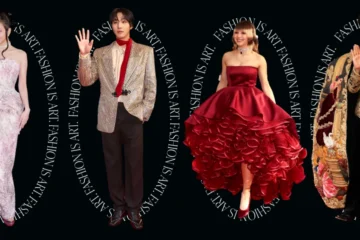
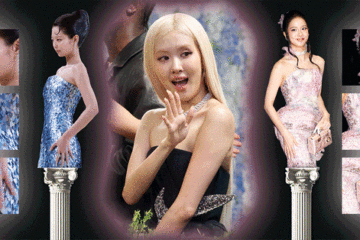
K-pop’s undeniable visual appeal extends far beyond electrifying choreography and captivating performances. Each idol’s public appearance, whether on music shows, concert stages, variety programs, or even navigating airport terminals, is meticulously curated by dedicated teams of stylists, hair artists, and makeup professionals. This unwavering commitment to aesthetic presentation has, in turn, inspired a global legion of fans to not only emulate their favorite artists’ dance moves and musical tastes but also their distinctive fashion sense. While learning intricate choreographies or mastering song lyrics requires significant dedication, fashion presents a more accessible avenue for fans to connect with the K-pop phenomenon. As an intrinsic part of daily life, clothing offers a versatile canvas for incorporating the vibrant aesthetics of K-pop into one’s personal wardrobe.
Previously, resources have offered guidance on acquiring K-pop-inspired items, providing shopping tips for specific pieces or accessory types. However, truly integrating K-pop style into one’s personal fashion narrative transcends simply purchasing a particular handbag favored by Jessica (formerly of Girls’ Generation) or a hat worn by G-Dragon. The challenge lies not in locating these desirable items, but in discerning how to integrate them harmoniously into a look that is both authentic and suitable for everyday wear. Simply assembling a collection of trending pieces worn by idols, such as Key’s statement earrings, CL’s iconic footwear, or Woohyun’s standout jackets, can inadvertently result in a costume-like appearance. This is because these items are often designed and styled as performance wear, intended for the heightened visual context of a stage. For the everyday individual, the goal is to translate that same coolness and trend-consciousness into a relatable, non-performance setting.
The Art of Integration: Blending Trends with Personal Identity
The key to successfully adopting K-pop fashion lies in a nuanced approach: incorporating trends in measured doses and ensuring they align with one’s pre-existing personal style. Developing a keen understanding of one’s own aesthetic preferences is crucial. This self-awareness allows individuals to identify which K-pop trends genuinely resonate and complement their existing wardrobe. While experimentation is a vital component of fashion exploration, the ultimate aim is to discover and refine a personal style, rather than merely replicating that of an idol. The desire is to look stylish and confident, not to become a direct imitation of artists like Zelo or Minah. The focus should be on channeling inspiration to enhance one’s unique identity.
Deconstructing Personal Style: A Foundation for Fashion Exploration
To embark on this journey of stylistic discovery, individuals are encouraged to engage in introspection. Questions such as: "Do I gravitate towards a minimalist color palette with structured silhouettes?" or "Is my preference for a more casual and sporty aesthetic?" can serve as starting points. Alternatively, one might consider influences from menswear, leaning towards structured pieces in muted tones. By posing and answering these questions, and by actively experimenting with different looks, individuals can gradually define their personal style. While personal style is inherently fluid and subject to evolution, it is not an insurmountable concept. The process of understanding one’s sartorial inclinations simply requires attentive observation of what resonates and feels authentic.
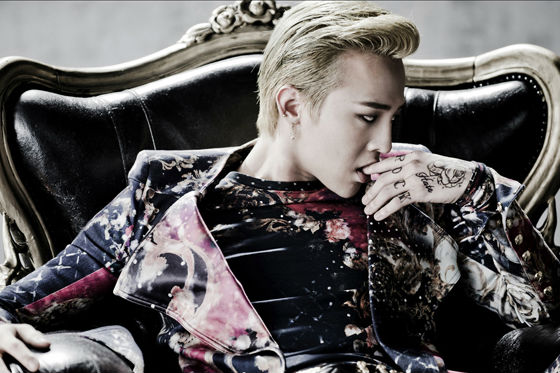
For those who feel dissatisfied with their current style and are seeking a complete transformation, the impulse might be to acquire an entire K-pop-inspired wardrobe. While this approach is permissible, it is essential to recognize that style evolution is a progressive journey. Impulsively investing heavily in a multitude of trendy K-pop pieces without a clear understanding of personal preference can lead to financial waste and eventual dissatisfaction. A more prudent strategy involves a gradual approach, starting with small, experimental acquisitions. This allows for a measured exploration of new aesthetics and a clearer assessment of what truly fits.
Strategic Acquisition: Aligning Purchases with Existing Wardrobes
Once a personal style begins to solidify, or at least a clearer direction emerges, individuals can more effectively evaluate whether a particular item, such as the distinctive patterned pants worn by Fei in a music video or a striking jacket donned by Eunhyuk at a concert, is a genuine fit. The crucial step is to consider how these pieces can be integrated into an existing wardrobe, rather than solely envisioning them paired with other trendy items. This mindful approach not only fosters a more authentic and integrated style but also proves to be economically beneficial. The ability to creatively combine new acquisitions with existing garments significantly reduces the need for extensive and potentially costly purchases.
Cultivating Confidence: The Ultimate Fashion Accessory
Upon determining that an item truly complements one’s personal style, the recommendation is to embrace it fully and wear it with conviction. While the luxury of a personal style coordinator may not be available to everyone, this does not preclude the possibility of achieving a stylish appearance. Confidence in one’s fashion choices is paramount, acting as the indispensable finishing touch that elevates any ensemble.
Ultimately, the process of adopting K-pop-inspired fashion should be viewed as an ongoing experiment. While some experiments may not yield the desired results, a thoughtful and deliberate approach to making fashion choices is key. The objective is to adapt and personalize trends, making them uniquely one’s own. This cultivates the confidence to assemble diverse outfits without feeling like one is wearing a costume or impersonating a K-pop idol. The journey is about self-expression, inspired by global trends, but firmly rooted in personal identity.

The Global Impact of K-Pop Fashion Influence
The pervasive influence of K-pop on global fashion trends is a phenomenon that has been steadily growing since the early 2010s. Initially observed within fan communities and online forums, this influence has now permeated mainstream fashion discourse and retail. The visual nature of K-pop, coupled with the artists’ direct engagement with fashion through brand endorsements and collaborations, has created a powerful feedback loop. This has not only impacted consumer purchasing habits but has also shaped design aesthetics and marketing strategies for brands worldwide.
Timeline of K-Pop Fashion Influence:
- Early 2010s: Emergence of K-pop fashion blogs and fan-created style guides, focusing on deciphering idol outfits. Early instances of fans actively seeking out specific items worn by idols.
- Mid-2010s: Increased visibility of K-pop idols in global fashion weeks and high-profile brand campaigns. K-pop aesthetics begin to influence street style globally.
- Late 2010s – Present: K-pop idols become significant arbiters of fashion trends. Brands actively seek collaborations with K-pop artists, recognizing their immense global reach and influence on youth culture. The concept of "K-fashion" gains international recognition as a distinct and influential style category.
Supporting Data and Market Trends:
The economic impact of K-pop on the fashion industry is substantial. A report by the Korea Creative Content Agency (KOCCA) indicated that the global K-pop market, which includes merchandise and fashion-related products, reached billions of dollars in the early 2020s. This figure is a testament to the purchasing power of K-pop fans and their willingness to invest in products associated with their idols. Furthermore, the rise of "fan-made" fashion and the proliferation of online retailers specializing in K-pop-inspired clothing underscore the commercial viability of this trend.
Analysis of social media platforms reveals a significant engagement with K-pop fashion content. Hashtags related to idol fashion, airport style, and specific K-pop groups consistently trend, generating millions of impressions and discussions. This digital footprint translates directly into consumer interest and purchasing decisions. The ability of idols to swiftly popularize specific garments, accessories, or even color palettes demonstrates their potent influence as trendsetters. For instance, a single airport fashion post featuring an idol with a particular handbag can lead to that item selling out globally within hours.

Broader Impact and Implications:
The increasing integration of K-pop aesthetics into mainstream fashion signifies a broader cultural shift. It highlights the growing influence of Asian pop culture on global trends and challenges traditional Western-centric fashion narratives. K-pop’s emphasis on bold styling, gender-fluid fashion, and innovative use of color and texture has introduced new dimensions to contemporary fashion.
Moreover, the K-pop model of artist branding and merchandise integration offers valuable lessons for the fashion industry. The symbiotic relationship between music, performance, and fashion creates a powerful ecosystem that drives both cultural impact and commercial success. Brands that successfully tap into this ecosystem, through authentic collaborations and understanding of fan culture, are poised to benefit significantly.
The phenomenon also raises questions about consumerism and identity. While K-pop fashion offers an exciting and accessible way for fans to express themselves and connect with their idols, it is crucial for individuals to maintain a discerning approach. The emphasis on developing personal style, as advocated within the original article, remains paramount. This ensures that fashion remains a tool for self-expression rather than a means of uncritical imitation. The long-term implication is the potential for a more diverse and inclusive global fashion landscape, where inspiration can be drawn from a multitude of cultural sources, leading to a richer tapestry of individual styles.
(Images via: YG Entertainment, Coming Step, Marie Claire, SSTV)
Related News