Miscasting, Facial Paralysis, Steroids, Depression – Korean Actress Opens Up About Her Series Of Struggles During Filming
Article Editorial Team
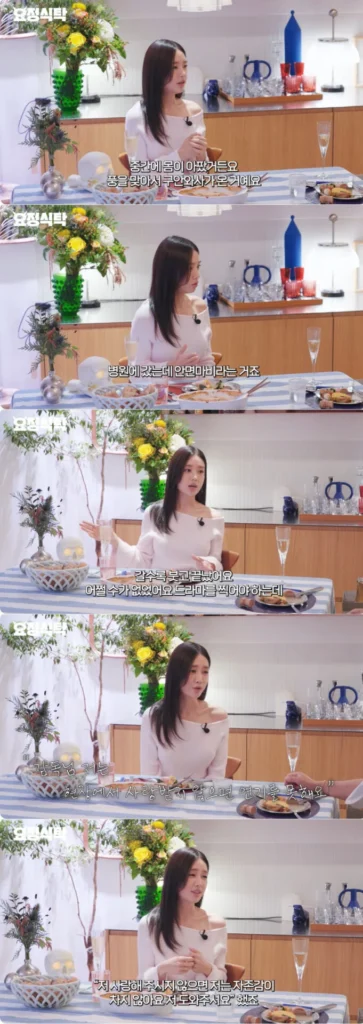
In a candid revelation that has resonated deeply within the entertainment industry and among fans, acclaimed Korean actress Ahn Eun Jin recently offered a raw account of the profound challenges she navigated during pivotal stages of her career. From confronting a significant "miscasting" controversy early in her breakthrough role to enduring a debilitating bout of facial nerve palsy amidst demanding production schedules, her journey underscores the immense pressures and often hidden sacrifices inherent in the pursuit of artistic excellence in South Korea’s highly competitive drama landscape. Her disclosure, made public on September 13th through a video uploaded to the YouTube channel Fairy Jae Hyung, provides a rare glimpse into the often-unseen struggles behind the glamorous façade of celebrity.
The Genesis of Controversy: My Dearest and Public Scrutiny
Ahn Eun Jin, whose rising star had been steadily ascending through notable supporting roles in critically acclaimed productions like Hospital Playlist and The Good Bad Mother, was cast as the lead in MBC’s historical romance epic, My Dearest. This role was poised to be her career-defining moment, propelling her from a respected character actress to a bona fide leading lady. However, the announcement of her casting was met with an unexpected wave of skepticism and criticism from a segment of the public, igniting a "miscasting controversy." Viewers openly questioned whether she possessed the necessary gravitas, visual appeal, or established star power to convincingly portray the complex female protagonist in a high-profile period drama.
This public doubt, amplified by online forums and social media, placed an immediate and immense burden on the actress even before filming commenced. Such controversies are not uncommon in the K-drama world, where fervent fan bases often have strong preconceived notions about ideal casting choices. For an actor, being perceived as unsuitable for a role, particularly a leading one, can be profoundly damaging to self-confidence and professional morale. Ahn Eun Jin confessed to the immense internal struggle this period presented: "Looking back, it’s clear that it was tough. At the time, I tried to power through somehow, but now that I think about it, I realize how hard it really was." This statement highlights the internal fortitude required to navigate such public scrutiny while simultaneously preparing for a demanding role that would ultimately achieve syndromic levels of popularity, defying initial doubts and garnering widespread critical acclaim for her performance. Her portrayal in My Dearest eventually silenced critics, earning her praise for her depth, emotional range, and compelling chemistry with her co-star, solidifying her status as a versatile and capable lead.
A Medical Crisis Amidst Production: The Good Bad Mother and Facial Paralysis
While the miscasting debate surrounding My Dearest was a significant mental hurdle, Ahn Eun Jin faced an even more physically and psychologically debilitating ordeal during the production of another critically lauded series, The Good Bad Mother. This drama, which also received positive reviews for its heartfelt narrative and strong performances, became the backdrop for a severe personal health crisis. During the intense filming schedule, the actress developed facial nerve palsy, a condition that can have devastating effects on an individual’s appearance and self-esteem, particularly for someone whose livelihood depends on their facial expressions.
Facial nerve palsy, often referred to as Bell’s Palsy when the cause is unknown, is a sudden weakness or paralysis of muscles on one side of the face. It typically results from inflammation or damage to the seventh cranial nerve, which controls facial movements. Common symptoms include drooping of one side of the face, difficulty closing an eye, inability to smile or frown symmetrically, and issues with eating or drinking as water or food can leak from the affected side of the mouth. The exact cause is often idiopathic, but it can be triggered by viral infections, stress, or exposure to cold. For an actor, this condition is catastrophic, as subtle facial movements are fundamental to conveying emotion and character.
Ahn Eun Jin recounted the alarming onset of her symptoms: "When I was shooting The Good Bad Mother, it was tough because I became ill midway. I caught a chill and developed facial nerve palsy. On the day of shooting, while washing my face and brushing my teeth, water leaked from one side of my mouth. I didn’t know what was happening. I didn’t even realize it was facial nerve palsy at first." This initial confusion and lack of awareness are typical, as the symptoms can progress over hours or days. Her subsequent realization that "things seemed off" prompted her to inform the director and seek immediate medical attention. The diagnosis of facial paralysis was a profound shock, compounded by her initial, hopeful misconception that a few days of rest would suffice for recovery. Instead, the condition worsened, plunging her into a state of deep depression and sadness.
Treatment Regimen and Physical Toll
The standard treatment for facial nerve palsy often involves corticosteroids, such as prednisone, to reduce inflammation around the facial nerve, especially if initiated within 72 hours of symptom onset. Antiviral medications may also be prescribed, though their efficacy is debated. Additionally, physical therapy, acupuncture, and eye care (to prevent dryness if the eyelid cannot close properly) are commonly recommended.
Ahn Eun Jin’s treatment regimen was rigorous and aggressive. She revealed, "I went to both Western and traditional medicine, received acupuncture, and was given strong steroids." While steroids are crucial for recovery, they come with a range of potential side effects, especially when administered in high doses over an extended period. These can include increased appetite, weight gain, fluid retention, mood swings, sleep disturbances, and physical swelling. For an actress, whose appearance is meticulously managed, these side effects can be particularly distressing.
"The steroid side effects caused swelling—my face would puff up even after a walk, and my knees swelled too. It was hard to stay positive then," she candidly shared. The physical transformation, combined with the visible effects of the paralysis itself, created an immense psychological burden. Despite these debilitating challenges, the relentless nature of K-drama production schedules offered little reprieve. "I had to keep filming, so there was no choice," she stated, underscoring the immense pressure on actors to continue working even when facing severe personal and health crises. The production team, needing to accommodate her condition, adapted by "only film[ing] the profile shots" for her character during the worst of her paralysis, a testament to the collaborative effort required to navigate such unforeseen circumstances. Her commitment meant enduring discomfort and distress, pushing through scenes with a partially immobile face, a testament to her professionalism and dedication.
The Psychological Battle: Depression and Insecurity
Beyond the physical symptoms and side effects, the mental and emotional toll of facial paralysis was arguably the most challenging aspect for Ahn Eun Jin. The inability to fully control one’s facial expressions, especially for someone whose craft relies on such control, can lead to profound feelings of insecurity, vulnerability, and depression. "I felt very insecure and scared. Could I act well on set? I agonized over it a lot," she admitted. These fears are entirely understandable; an actor’s face is their primary tool for communication, and its impairment directly impacts their ability to perform.
The K-drama industry is notorious for its high-pressure environment, demanding long hours, intense emotional performances, and constant public scrutiny. Mental health struggles, though increasingly discussed, still carry a stigma in many parts of society, including the entertainment world. Ahn Eun Jin’s experience highlights how physical ailments can quickly spiral into mental health crises, particularly when coupled with professional obligations and public expectations. The persistent nature of her condition, with no daily improvement and a gradual worsening before stabilization, exacerbated her feelings of hopelessness.
A Plea for Support and Industry Response
In a moment of vulnerability and courage, Ahn Eun Jin made a crucial decision to communicate her struggles openly with her director. Recognizing that her performance was intrinsically linked to her emotional well-being and the supportive atmosphere on set, she chose honesty over stoicism. "I ultimately thought the best approach is always straightforward. I believed the only answer was to expose myself completely and honestly face it," she explained.

Her plea to the director was poignant and direct: "Director, I can’t act well unless I’m loved on set. If I’m not loved, my self-esteem won’t grow. Please help me." This raw confession, unexpected by her interviewer Jae Hyung, underscores the profound emotional need for a supportive and understanding environment in creative professions. It speaks to the psychological safety an actor requires to deliver authentic performances, especially when grappling with personal adversity.
The director’s response was crucial and exemplary. Instead of dismissing her concerns or pressuring her, the director took proactive steps to provide the necessary support. "The director then personally made me study the script extensively and had me do many readings," she recounted. This tailored approach, focusing on intensive preparation and rehearsal, allowed Ahn Eun Jin to rebuild her confidence and reconnect with her character, perhaps finding new ways to convey emotion despite her physical limitations. It demonstrates the profound impact empathetic leadership can have on an individual’s ability to overcome significant hurdles and continue to perform at a high level. Such support can transform a potentially career-ending crisis into a testament to resilience and collaboration.
Broader Implications for the K-Drama Industry
Ahn Eun Jin’s story, while deeply personal, carries broader implications for the Korean entertainment industry. It shines a spotlight on several critical issues:
- Actor Welfare and Health: The grueling "ppali-ppali" (hurry-hurry) culture of K-drama production often involves demanding schedules, insufficient rest, and immense pressure to meet deadlines. This environment can take a severe toll on actors’ physical and mental health. Her experience with facial paralysis due to "catching a chill" points to the vulnerability of actors working under strenuous conditions. There is an ongoing discourse within the industry about the need for better working conditions, including reasonable hours, adequate breaks, and accessible health support.
- Mental Health Support: Her struggles with depression and insecurity highlight the critical need for robust mental health support systems for artists. While discussions around mental health have become more prevalent, practical, accessible, and destigmatized resources are still vital. An actor’s vulnerability to public criticism and the pressure to maintain a perfect image can exacerbate mental health challenges.
- The Impact of Public Scrutiny: The "miscasting" controversy demonstrates the immense power of public opinion in the K-drama landscape. While fan engagement is valuable, unchecked criticism can create significant psychological stress for actors. Ahn Eun Jin’s eventual triumph over these initial doubts serves as a powerful reminder of the importance of allowing artists the space to prove themselves.
- Empathy and Collaboration in Production: The director’s supportive response to Ahn Eun Jin’s plea offers a positive model for how production teams can foster a nurturing environment. Recognizing and actively addressing an actor’s personal struggles, rather than solely focusing on deliverables, can ultimately lead to stronger performances and a healthier work culture.
- Authenticity and Transparency: Ahn Eun Jin’s decision to share her story openly contributes to a growing trend of celebrities being more transparent about their struggles. This kind of honesty can help destigmatize health issues and mental health challenges, encouraging others in the industry and beyond to seek help and speak up.
The Resilience of Ahn Eun Jin and Shifting Public Perception
Ahn Eun Jin’s journey, from facing public doubt to overcoming severe health obstacles, is a powerful narrative of resilience. Her ability to navigate the miscasting controversy for My Dearest and deliver a critically acclaimed performance ultimately transformed public perception. What began as skepticism evolved into admiration for her talent and dedication. Similarly, her quiet battle with facial paralysis during The Good Bad Mother underscores her unwavering commitment to her craft, performing even when her most essential tool was compromised.
Her recent revelations have likely garnered immense sympathy and respect from the public and her peers. It provides context to her past work, adding layers of appreciation for the strength and professionalism she demonstrated under extraordinary duress. Her willingness to be vulnerable and share her struggles not only humanizes her but also empowers others who might be facing similar battles, whether within the entertainment industry or in their own lives. It serves as a stark reminder that behind every captivating performance lies a human being with their own vulnerabilities, struggles, and triumphs.
In conclusion, Ahn Eun Jin’s candid account is more than just a personal story; it is a critical commentary on the realities of the Korean entertainment industry. It highlights the often-unseen sacrifices made by artists, the profound impact of both public opinion and professional support, and the enduring strength of the human spirit in the face of adversity. Her journey is a testament to her talent, resilience, and the evolving conversation around welfare and mental health in the high-stakes world of K-drama.
Related News