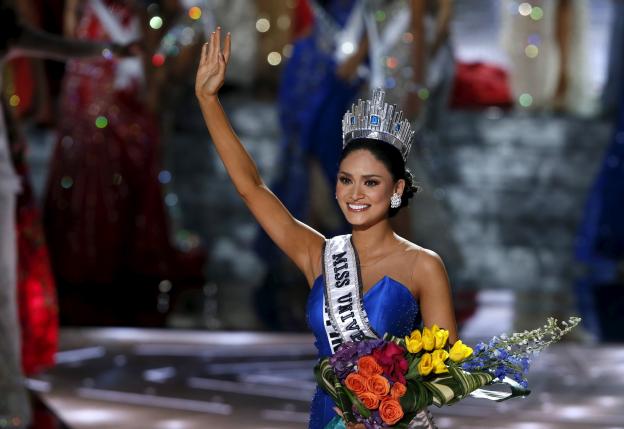
The 64th Miss Universe pageant, held on December 20, 2015, at the AXIS in Las Vegas, Nevada, remains one of the most discussed events in the history of international beauty competitions. While the primary narrative initially focused on a high-profile broadcasting error by host Steve Harvey, a secondary story emerged in the days following the event that bridged the gap between global pageantry and the burgeoning Hallyu, or Korean Wave. Pia Alonzo Wurtzbach, representing the Philippines, was crowned Miss Universe 2015, but it was her documented history as a dedicated "stan" of the South Korean boy band Super Junior that captivated a diverse international audience, illustrating the pervasive reach of South Korean cultural exports.
The 2015 Pageant Controversy and Results
The Miss Universe 2015 finale was characterized by a dramatic and unprecedented conclusion. During the live broadcast, host Steve Harvey mistakenly announced Miss Colombia, Ariadna Gutiérrez, as the winner. Gutiérrez was crowned and began her celebratory walk before Harvey returned to the stage to issue a correction. He clarified that Gutiérrez was the first runner-up and that the actual winner was Pia Wurtzbach of the Philippines.
The incident, which Harvey attributed to a misreading of the results card, became an immediate viral sensation. Beyond the televised awkwardness, the event marked a significant milestone for the Philippines, as Wurtzbach became the third woman from the country to win the title, ending a 42-year drought since Margie Moran’s victory in 1973. The victory solidified the Philippines’ status as a "pageant powerhouse," a designation supported by the country’s consistent high-ranking finishes in international competitions throughout the 2010s.
The Discovery of a K-pop "ELF"
As the global media analyzed the fallout of the crowning error, the K-pop community—specifically fans of the veteran group Super Junior—uncovered a series of archival social media posts from Wurtzbach. These posts, dating back to 2009 and 2011, revealed that the newly crowned Miss Universe was a self-proclaimed "ELF" (Ever Lasting Friend), the official name for Super Junior’s fan base.
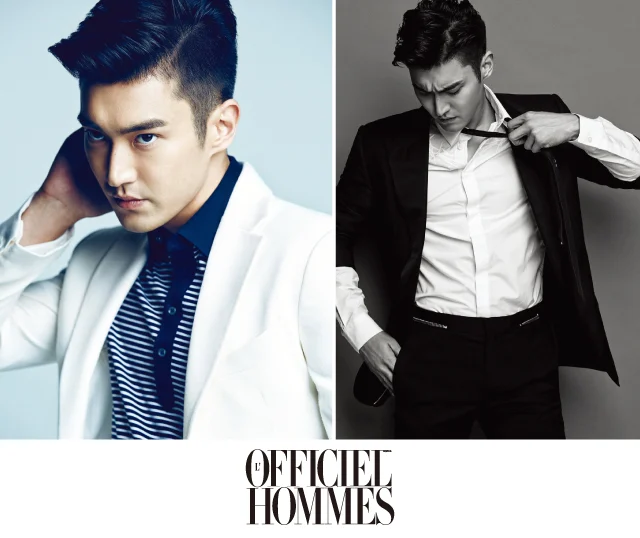
Wurtzbach’s tweets were remarkably candid, mirroring the enthusiasm typical of teenage fans. She frequently mentioned her "bias" (a K-pop term for a favorite member), Siwon Choi, at one point jokingly referring to herself as "Mrs. Siwon Choi." These revelations humanized the beauty queen to a demographic that might not otherwise follow pageantry. The discovery that a Miss Universe winner shared the same fan-culture experiences as millions of young people worldwide created a unique bridge between two distinct entertainment sectors.
Chronology of Events
To understand the impact of this intersection, it is necessary to examine the timeline of Wurtzbach’s journey and the subsequent cultural reaction:
- 2009–2011: Pia Wurtzbach, then an actress and model in the Philippines, actively tweets about her admiration for Super Junior and Siwon Choi. During this period, Super Junior was at the height of its international fame following the success of the hit single "Sorry, Sorry."
- March 2015: Wurtzbach wins the Binibining Pilipinas (Miss Philippines) Universe title on her third attempt, demonstrating a tenacity that would later be praised by her fans.
- December 20, 2015: The Miss Universe finale takes place in Las Vegas. The crowning error occurs, followed by Wurtzbach’s official coronation.
- December 23–27, 2015: K-pop fans unearth Wurtzbach’s old tweets. The story gains traction across social media platforms like Twitter and Instagram, eventually being picked up by major entertainment news outlets in Asia and the West.
- December 27, 2015: Siwon Choi, who was serving his mandatory military service in South Korea at the time, acknowledges Wurtzbach’s win. Through his official Instagram account, he congratulated her and invited her to the next "Super Show," Super Junior’s signature concert tour.
- January 2016: The interaction between the beauty queen and the K-pop idol continues to drive engagement, with Wurtzbach responding graciously to the invitation, further cementing the "fan-to-queen" narrative.
Supporting Data: Hallyu’s Influence in the Philippines
The revelation of Wurtzbach’s fandom was not an isolated incident but rather a reflection of the deep-seated influence of Korean culture in the Philippines. Data from the mid-2010s indicates that the Philippines was one of the fastest-growing markets for K-pop and K-dramas.
According to a 2015 report on the "Hallyu Wave" in Southeast Asia, the Philippines consistently ranked in the top five countries globally for K-pop-related social media mentions. The popularity of Super Junior in the country was particularly notable; they were one of the first K-pop groups to hold a large-scale solo concert in Manila (Super Show 2 in 2010), an event that helped pave the way for the "K-pop invasion" of the Philippine music charts. Wurtzbach’s fandom was a microcosm of a national trend where South Korean entertainment became a dominant force in local youth culture.
Official Responses and Public Reactions
The reaction to Wurtzbach’s K-pop fandom was overwhelmingly positive, serving as a rare moment of levity following the tension of the pageant’s conclusion.

- Siwon Choi (Super Junior): "Pia Alonzo Wurtzbach 🙂 Heartfelt Congratulations on your Miss Universe 2015 award, and please be my guest for next Supershow! Looking forward to seeing you shining the world :^)" His response was seen as a validation of the "successful fan" trope, a popular narrative in fan communities where a fan eventually meets or is recognized by their idol.
- SM Entertainment: The agency representing Super Junior acknowledged the global interest in the connection, noting that the intersection of pageantry and K-pop helped broaden the group’s visibility in Western markets where the Miss Universe pageant is a staple of television programming.
- The Pageant Community: Critics noted that Wurtzbach’s open fandom helped modernize the image of Miss Universe. By showing a personality that included hobbies and interests common to her generation, she moved away from the "aloof" or "untouchable" persona often associated with titleholders.
Broader Impact and Analysis of Implications
The intersection of Pia Wurtzbach’s victory and her K-pop fandom offers several insights into modern celebrity culture and international relations.
The Democratization of Celebrity
In the past, the private lives and personal interests of beauty queens were strictly curated by pageant organizations. Wurtzbach’s social media history, however, provided an unvarnished look at her life before the crown. This transparency is a hallmark of the digital age, where a celebrity’s past digital footprint can serve to either jeopardize their career or, as in Wurtzbach’s case, enhance their relatability. The "successful fan" narrative resonated deeply because it suggested that high-profile success does not require the abandonment of one’s personal passions or "geeky" interests.
Soft Power and Cultural Diplomacy
The incident highlights the effectiveness of South Korea’s "Soft Power" strategy. By exporting cultural products like Super Junior, South Korea has created a global network of "cultural ambassadors" who feel a personal connection to the country. When a figure as prominent as Miss Universe identifies as a fan, it serves as high-level endorsement of the Korean brand. This cultural diplomacy facilitates smoother economic and political interactions between nations, as seen in the warm relations and frequent cultural exchanges between the Philippines and South Korea.
The Evolution of Fandom
Wurtzbach’s experience also reflects the evolving perception of "stanning" (obsessive fandom). Historically, being a dedicated fan of a boy band was often dismissed as a trivial or immature pursuit. However, as the 2015 Miss Universe demonstrated, these fans grow up to become doctors, lawyers, and even world-renowned beauty queens. This shift has forced a re-evaluation of fan communities, recognizing them as powerful, organized, and influential demographics capable of driving global conversations.
Conclusion
Pia Wurtzbach’s tenure as Miss Universe 2015 began with a historic error but was defined by her grace, her advocacy for HIV/AIDS awareness, and her role as a bridge between diverse cultures. The discovery of her K-pop fandom was more than a trivial anecdote; it was a testament to the globalized nature of modern entertainment. In an era where a mistake on a Las Vegas stage can be corrected in minutes and a tweet from 2009 can resurface to unite fans across continents, Wurtzbach’s story remains a definitive example of how digital culture and traditional pageantry have become irrevocably intertwined. Her victory was not just a win for the Philippines, but a moment of celebration for the global K-pop community, proving that the world of high fashion and the world of pop fandom are closer than they appear.