Musician’s Lyrics About Raping Elementary Schoolers Surface After Sold-Out Concert Canceled For Another Reason
Article Editorial Team
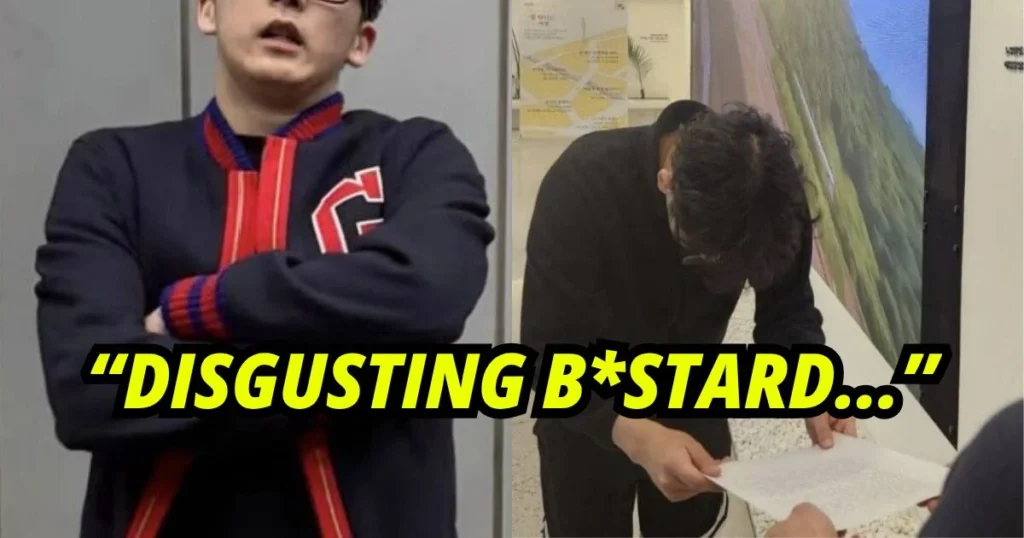
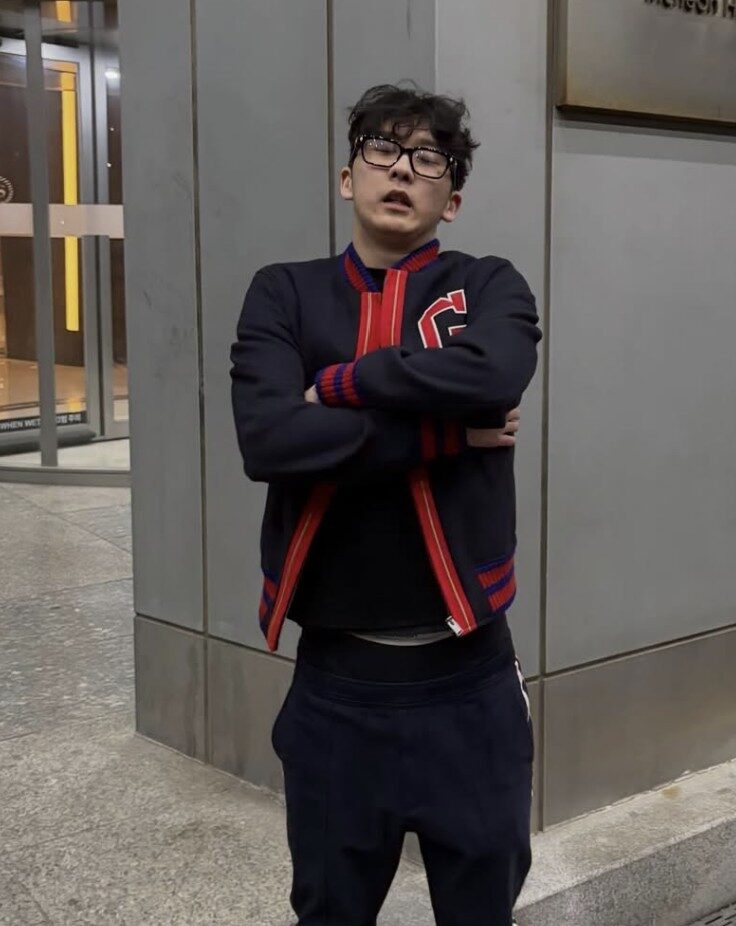
South Korean rapper Rich Iggy, whose burgeoning career began in 2024, has become the focal point of an escalating public scandal, first facing intense backlash over perceived disrespect towards former President Roh Moo-hyun, which led to the cancellation of his sold-out solo concert and a festival appearance. However, the controversy has taken a far more disturbing turn with the surfacing of lyrics from his 2024 album, Quarterback, that explicitly reference sexual interest in elementary school-aged children. This revelation has ignited widespread outrage, drawing condemnation from the public, child protection advocates, and potentially opening avenues for legal scrutiny.
Initial Shockwave: The Roh Moo-hyun Controversy
The initial wave of public ire directed at Rich Iggy stemmed from the highly sensitive issue of disrespecting a revered former national leader. Rich Iggy had scheduled a solo concert for May 23, a date of profound significance in South Korean modern history, marking the anniversary of former President Roh Moo-hyun’s death. Roh Moo-hyun, who served as president from 2003 to 2008, tragically died by suicide on May 23, 2009, amidst a corruption investigation. His passing sent shockwaves across the nation and, in the years since, he has been posthumously re-evaluated and is widely regarded as a symbol of democracy, integrity, and social justice by a significant portion of the South Korean populace. His legacy is deeply cherished, and any perceived affront to his memory is met with strong public disapproval.
The details of Rich Iggy’s concert appeared to deliberately invoke the date of Roh Moo-hyun’s passing. Not only was the concert scheduled for May 23, but tickets were priced at ₩52,300 KRW (approximately $34.70 USD), and the event was slated to begin at 5:23 p.m. These numerical coincidences – 5/23 (May 23rd) and 52,300 KRW – were interpreted by many as a cynical and disrespectful appropriation of a solemn national remembrance. Critics argued that the rapper was attempting to exploit a tragic historical event for promotional gain or, worse, subtly mock the former president, a practice known as "ilbe" in certain online communities, which often uses derogatory references to Roh Moo-hyun.
The Roh Moo-hyun Foundation, the official organization dedicated to preserving the former president’s legacy, swiftly took action. They issued a formal complaint and requested a ban on the artist’s performance, citing the offensive nature of the concert’s timing and pricing. Faced with mounting pressure and the foundation’s official intervention, event organizers quickly moved to cancel Rich Iggy’s solo concert. Additionally, his scheduled appearance at the prominent RapBeat music festival was also rescinded. Following these cancellations, Rich Iggy issued an apology to the Roh Moo-hyun Foundation, though the content and sincerity of this apology have been subject to public debate.
A Deeper Abyss: Unearthing "Tank" Lyrics
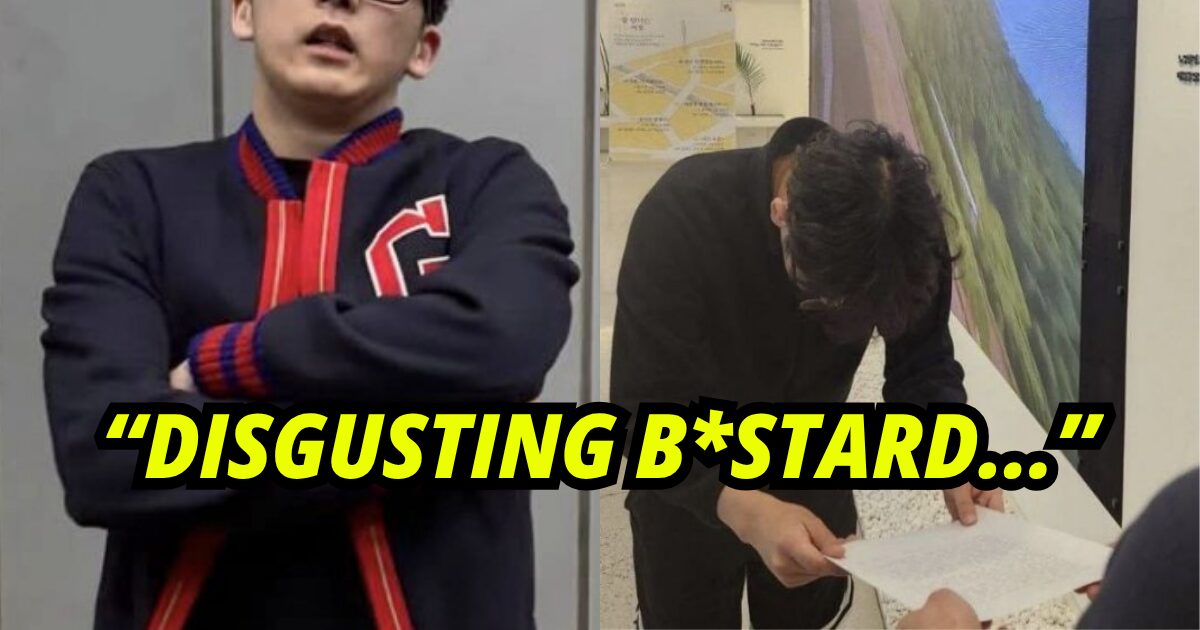
While the Roh Moo-hyun controversy initially dominated headlines, a far more egregious issue soon emerged, eclipsing the previous scandal in its severity and moral implications. In the wake of the concert cancellations, members of the public and online communities began to delve into Rich Iggy’s past work, leading to the discovery of deeply disturbing lyrics from his 2024 album, Quarterback.
The track in question, titled "Tank," contains a line that explicitly targets elementary school children in a sexual context. The translated lyric reads: "Instead of high school girls, I’ll go for elementary school girls and end up in juvenile detention even faster." This lyric, upon surfacing, immediately triggered a wave of shock, disgust, and outrage across social media platforms and mainstream discourse. The blatant reference to child sexual exploitation, even if framed within a narrative of potential legal consequence, crossed a fundamental ethical boundary for most observers.
The juxtaposition of the artist’s recent apology for disrespecting a national figure with the revelation of lyrics advocating for pedophilia created a profound sense of moral dissonance. Public sentiment rapidly shifted from criticism of historical insensitivity to outright condemnation of what is widely perceived as a dangerous glorification or normalization of child sexual abuse.
Chronology of Controversy: From Tribute to Taboo
To fully grasp the rapid descent of Rich Iggy’s public image, a chronological breakdown of events is essential:
- 2024: Rich Iggy begins his career and releases his album Quarterback, which includes the track "Tank." At this time, the lyrics do not appear to garner significant public attention.
- Early 2026 (Presumed): Rich Iggy is announced as part of the lineup for the upcoming RapBeat music festival.
- May 2026 (Presumed): Rich Iggy announces his solo concert, scheduled for May 23. Tickets for this concert quickly sell out, priced at ₩52,300 KRW, with a start time of 5:23 p.m.
- Mid-May 2026: Online communities and the public begin to notice and criticize the specific details of Rich Iggy’s solo concert, interpreting the date, time, and ticket price as deliberate and disrespectful references to former President Roh Moo-hyun’s death anniversary.
- May 21, 2026 (Approximate): The Roh Moo-hyun Foundation issues an official complaint and requests the cancellation of Rich Iggy’s appearances, citing the offensive nature of the concert details.
- May 21, 2026 (Approximate): Following the Foundation’s complaint and widespread public criticism, organizers cancel Rich Iggy’s solo concert and his appearance at the RapBeat festival. Rich Iggy issues an apology to the Roh Moo-hyun Foundation.
- May 21, 2026 (Later): In the immediate aftermath of the initial cancellations, members of the public, fueled by curiosity or further scrutiny of the artist, unearth the lyrics from the track "Tank" from his 2024 album, Quarterback.
- May 21, 2026 (Ongoing): The explicit lyric referencing elementary school girls goes viral, igniting a new, far more intense wave of public outrage and condemnation across social media and news outlets. Calls for further accountability, investigation, and industry blacklisting rapidly gain momentum.
The Weight of Words: Public Outcry and Ethical Debates
The public reaction to the "Tank" lyrics has been overwhelmingly negative, characterized by profound shock and revulsion. Social media platforms, where the lyrics initially gained traction, became a forum for widespread condemnation. Users expressed disgust at the content, calling for Rich Iggy to be held accountable not just by the industry but potentially by legal authorities. The sentiment was clear: such lyrics are not merely controversial or provocative, but deeply harmful and indicative of a disturbing mindset.

This incident has reignited crucial debates surrounding artistic freedom versus ethical responsibility in the music industry. While rap music often pushes boundaries and explores controversial themes, the explicit mention of elementary school children in a sexual context is widely considered to cross a line into advocating or normalizing a heinous crime. Critics argue that regardless of artistic intent, the potential impact of such lyrics, particularly on impressionable audiences, cannot be ignored. Child advocacy groups, though not explicitly quoted in the original brief, would almost certainly view these lyrics as deeply irresponsible and potentially dangerous, contributing to a culture where child sexual exploitation could be trivialized or normalized.
The entertainment industry, particularly in South Korea, operates under a strict code of public morality, and artists frequently face severe consequences for actions or expressions deemed offensive or harmful to public sentiment. This incident with Rich Iggy serves as a stark reminder that while creative expression is valued, it is not limitless, especially when it veers into promoting illegal or morally reprehensible acts against vulnerable populations.
Legal and Societal Implications in South Korea
The surfacing of these lyrics carries significant legal and societal implications within South Korea. South Korean law has stringent provisions against child sexual exploitation, including the production, distribution, and possession of child sexual abuse material (CSAM), as well as acts that could be interpreted as advocating or inciting such crimes. While artistic lyrics might be subject to interpretation regarding intent, content that explicitly references sexual acts with minors can trigger investigations and legal action, depending on the specifics and context.
The potential for such lyrics to be seen as a form of child sexual grooming or exploitation material is a serious concern. Even if not directly inciting an act, the normalization or suggestive framing of such themes in widely distributed media can have detrimental effects on public perception and potentially encourage harmful behaviors. Legal experts would likely be examining whether these lyrics violate statutes related to the protection of minors, public decency, or the promotion of illegal acts.
Beyond legal ramifications, the societal impact on Rich Iggy’s career is likely to be devastating. In South Korea, public figures who become embroiled in scandals, especially those involving moral turpitude or harm to children, often face immediate and severe consequences, including industry blacklisting, loss of endorsements, and permanent damage to their public image. The entertainment industry and broadcasters typically distance themselves from such individuals to avoid association with perceived immorality. This incident could effectively end Rich Iggy’s professional music career, regardless of legal outcomes.
The Broader Landscape: Celebrity Accountability in the Digital Age
Rich Iggy’s dual controversies highlight several critical aspects of celebrity accountability in the digital age. Firstly, the permanence of digital footprints means that past works, even those initially overlooked, can resurface and be scrutinized with unprecedented intensity. In an era where fan culture and social justice awareness are highly pronounced, artists are increasingly held to account for their entire body of work and public persona.
Secondly, the speed at which information and outrage can spread online means that controversies can escalate from minor criticisms to career-ending scandals within hours. Social media platforms act as powerful amplifiers, allowing public sentiment to coalesce rapidly and exert immense pressure on artists and their associated entities.
Finally, this case underscores the ongoing tension between artistic freedom and social responsibility. While artists historically have used their platforms to challenge norms, provoke thought, and express themselves freely, there is a growing expectation from the public that this freedom comes with a significant responsibility, especially when the content involves vulnerable groups like children. The line between edgy artistry and harmful content is becoming increasingly defined by public sentiment and ethical considerations, often with severe consequences for those who cross it.
As the public continues to react to the "Tank" lyrics, the future of Rich Iggy’s career remains highly uncertain. The gravity of the accusations, far surpassing the initial controversy, suggests a long and arduous path to redemption, if any is even possible. The incident stands as a stark warning to artists about the profound impact of their words and the enduring consequences of content deemed to violate fundamental societal values and protections.
Related News