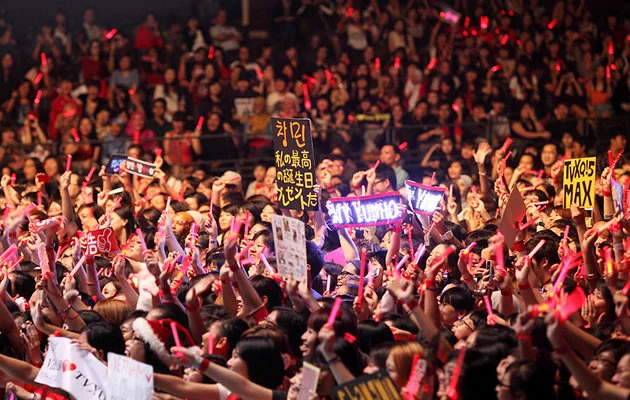
The global expansion of South Korean popular music, widely known as K-pop, has transformed from a niche regional interest into a multi-billion-dollar cultural juggernaut, underpinned by a highly organized and sophisticated fandom infrastructure. To understand the K-pop phenomenon, one must look beyond the music and choreography to the intricate social structures that govern fan interactions. Unlike Western music fandoms, which often operate as loose affiliations of listeners, K-pop fandoms are characterized by a hierarchical and multifaceted system of devotion, ranging from general genre enthusiasts to "solo stans" dedicated to a single member of a group. This ecosystem is not merely a byproduct of the music industry; it is a meticulously managed pillar of the South Korean economy, driving record-breaking album sales, sold-out world tours, and unprecedented levels of digital engagement.
The Hierarchical Structure of K-pop Fandoms
In the K-pop world, the term "fandom" carries a weight that transcends simple admiration. The community is divided into several layers of identity. At the broadest level is the general K-pop fandom, consisting of individuals who appreciate the genre’s production value, aesthetic, and performance style. However, the true engine of the industry lies in the group-specific fandoms. Every major idol group is assigned an official fandom name by their management agency—such as "BLINK" for BLACKPINK, "ARMY" for BTS, or "Shawol" for SHINee. These names serve as a badge of identity and a mechanism for collective action.
Within these group fandoms, further subdivisions exist based on "biases." A fan’s "bias" is their favorite member of a group. For instance, a fan of the group SHINee is a Shawol, but if their primary focus is on the member Taemin, they may also identify as a "Taemint." While this specialization allows for deeper emotional investment, it also creates the potential for internal friction, particularly in the form of "solo stanning," where fans of individual members may clash over perceived differences in screen time, line distribution in songs, or solo promotional opportunities.
A Chronological Evolution of Fan Engagement
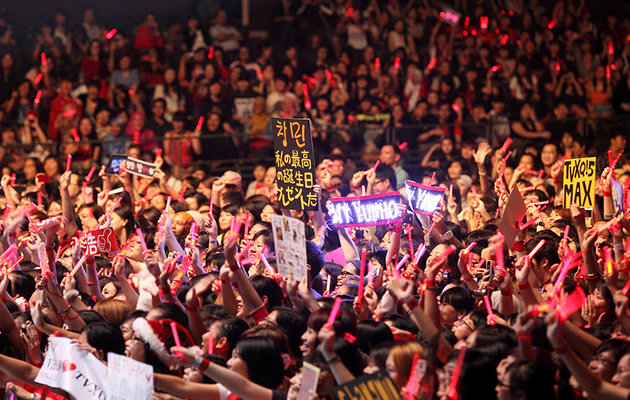
The evolution of K-pop fandom can be traced through several "generations," each defined by its technological tools and methods of engagement.
The First Generation (1990s – Early 2000s): During the era of groups like H.O.T. and Shinhwa, fandom was localized within South Korea. Engagement was physical and visceral, characterized by fans wearing specific colored raincoats and carrying matching balloons to identify their allegiance. Fan clubs were managed through telephone hotlines and physical mail.
The Second Generation (Mid-2000s – 2011): With the rise of groups like TVXQ, BigBang, and Girls’ Generation, fandom moved online. The "Fan Café" became the primary hub. Hosted on Korean portals like Daum or Naver, these cafes were moderated by agencies and required strict verification processes. This era also saw the beginning of the "Hallyu Wave" (Korean Wave), as international fans began using YouTube and early social media to bridge the geographical gap.
The Third and Fourth Generations (2012 – Present): The arrival of BTS and the subsequent global explosion of the genre moved the center of gravity to global social media platforms like X (formerly Twitter), TikTok, and Instagram. Agencies began developing proprietary platforms such as HYBE’s Weverse and SM Entertainment’s Bubble to monetize direct artist-to-fan communication. Today, the digital footprint of a fandom is often considered as important as the music itself, with fans organizing "streaming parties" to manipulate chart algorithms and ensure their favorite artists remain at the top of the Billboard or iTunes charts.

The Infrastructure of Official and Unofficial Communities
For many years, the pinnacle of K-pop fandom involvement was the "Official Fan Club." Membership usually requires an annual fee and provides perks such as early access to concert tickets, exclusive merchandise, and the ability to attend recordings of music television programs like M Countdown or Inkigayo. For international fans, however, these official channels were historically difficult to access due to language barriers and the requirement of a Korean social security number for registration.
In response, a robust network of international fan sites emerged. These unofficial organizations are often run with professional-level efficiency, providing translations of Korean content, organizing local meetups, and managing large-scale "support projects." These projects include the "rice wreath" tradition, where fans donate tons of rice to charity in an artist’s name during a concert or press conference, and the purchase of digital billboards in Times Square or Seoul’s subway stations to celebrate an idol’s birthday.
Economic Impact and the Power of Collective Action
The financial power of K-pop fandoms is a significant factor in the industry’s sustainability. According to data from the International Federation of the Phonographic Industry (IFPI), K-pop acts consistently rank among the top global recording artists. This is driven by a unique consumption model where fans purchase multiple physical copies of the same album to collect "photo cards"—randomized collectible cards of individual members—and to increase the group’s chances of winning weekly music show awards.
Beyond consumption, fandoms have evolved into formidable social and political forces. The BTS ARMY, for example, gained international headlines in 2020 when they collectively raised $1 million for the Black Lives Matter movement in 2020, matching a donation made by the group itself. This transition from "consumer" to "activist" represents a paradigm shift in how fan communities operate, demonstrating that the organizational skills honed through voting for music awards can be redirected toward global social causes.

The Challenges of Fandom Politics and "Sasaeng" Culture
Despite the positive aspects of community and charity, the K-pop fandom ecosystem is not without its dark side. The intensity of the "parasocial relationship"—the one-sided emotional bond between a fan and a celebrity—can lead to toxic behaviors.
"Fandom politics" often involve "fan wars," where supporters of rival groups engage in online harassment or "dislike bombing" campaigns. More severe is the "sasaeng" phenomenon, a term used to describe obsessive fans who engage in stalking, invasion of privacy, and other criminal behaviors to get closer to their idols. Agencies have increasingly taken legal action against such individuals, but the fine line between "devoted fan" and "harasser" remains a point of contention in the industry.
Furthermore, the "Black Ocean" remains one of the most infamous forms of fan protest. This occurs during multi-group concerts when fans turn off their lightsticks during a specific group’s performance to show a collective lack of support or active hostility, often as a result of a scandal or a perceived slight against another group.
Data-Driven Analysis of Global Reach
Recent statistics underscore the scale of this global community. In 2023, X (formerly Twitter) reported that there were over 7.8 billion tweets about K-pop globally in a single year. Countries like Indonesia, the Philippines, Thailand, and the United States lead in terms of volume. This data suggests that the "international fan," once an afterthought for Korean agencies, is now the primary driver of growth.

The shift toward global inclusivity is also reflected in the rise of "multi-fans"—individuals who support multiple groups simultaneously. While traditional Korean fan culture often demanded exclusive loyalty to one group, the international community has popularized a more fluid approach, allowing for a broader appreciation of the genre. This shift has forced agencies to adapt, focusing more on English-language content and global touring circuits rather than solely focusing on the domestic Korean market.
Future Implications: Technology and the Virtual Frontier
As the K-pop industry moves into its fifth generation, the definition of fandom is being challenged by technological advancements. The introduction of virtual idols, such as the group MAVE: or the virtual avatars of aespa, suggests a future where the "idol" is a digital construct. For fandoms, this means a shift in engagement toward the metaverse and AI-driven interactions.
Moreover, the monetization of fandom is becoming more granular. Platforms like "Bubble" allow fans to pay a monthly subscription for a private-chat-style experience with their bias. While this deepens the connection, it also raises ethical questions about the commodification of intimacy and the mental health of both the idols and the fans.
In conclusion, K-pop fandom is a multifaceted social phenomenon that blends art, commerce, and community. It provides a sense of belonging for millions of people worldwide while serving as a powerful economic engine for South Korea. Whether through official fan cafes, international support projects, or digital activism, these communities have redefined what it means to be a "fan" in the 21st century. As the industry continues to innovate, the relationship between the artist and the fandom will remain the most critical component of K-pop’s enduring global success. For the individual fan, the experience is ultimately about more than just music; it is about finding a place within a global network of like-minded individuals, united by a shared passion for a cultural movement that shows no signs of slowing down.