The global expansion of South Korean popular music, commonly known as K-pop, has transformed from a regional cultural export into a multi-billion-dollar international industry. At the heart of this phenomenon lies a highly organized, deeply committed, and technologically savvy fan base that operates with a level of sophistication rarely seen in other entertainment sectors. Unlike traditional music fandoms, where listeners may simply buy an album or attend a concert, K-pop fandoms are characterized by a complex hierarchy, specific terminologies, and a rigorous set of social expectations. Understanding this ecosystem requires an analysis of how these communities are structured, the digital platforms they inhabit, and the evolving relationship between the fans, the artists, and the entertainment corporations that manage them.
The Hierarchical Structure of K-pop Fandoms
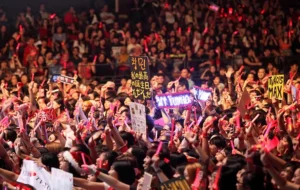
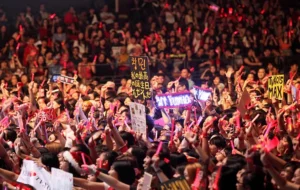
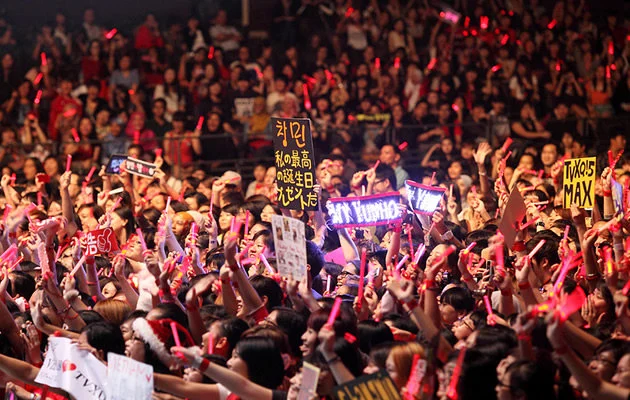
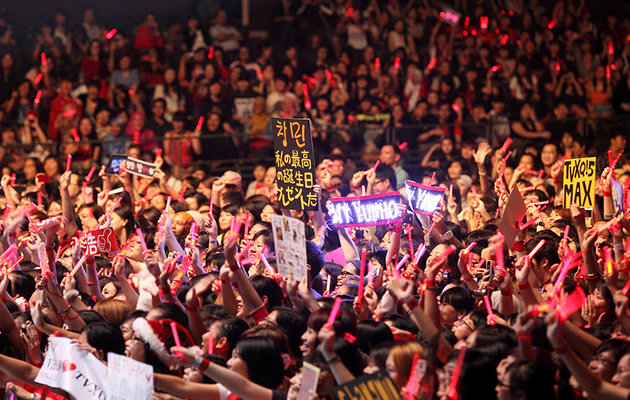
In the K-pop world, the term "fandom" is not a monolithic concept. It is a layered identity that begins with a general interest in the genre and narrows down into specific loyalties. At the broadest level, an individual may identify as a K-pop fan, consuming content from various groups. However, the culture encourages a more focused devotion. Most participants belong to a specific group’s fandom, each of which possesses a unique name, official color, and lightstick design. For instance, fans of the group SHINee are known as Shawols, while fans of BTS are famously called ARMY.
This structure dives even deeper into the concept of the "bias." A bias is a fan’s favorite member within a specific group. This leads to the creation of sub-fandoms or "individual member fandoms." Using the SHINee example, a fan who is a Shawol but favors the member Taemin might identify as a "Taemint." This intricate division system allows for a sense of belonging and identity but also introduces the potential for internal friction. "Solo stans"—fans who support only one member and may be indifferent or even hostile to the rest of the group—are often a source of controversy within the larger community, as the collective success of the group is usually the primary goal of the organized fandom.
Related Articles
The Evolution of Fan Engagement: From Balloons to Weverse
The methods by which fans interact with K-pop idols have undergone a radical transformation over the last three decades. To understand the current landscape, one must look at the chronology of fandom development in South Korea.
In the late 1990s and early 2000s, during the "First Generation" of K-pop, fandom was largely a domestic affair. Groups like H.O.T. and Sechs Kies had massive followings that expressed their loyalty through physical presence and color-coded raincoats and balloons. Communication was limited to official fan clubs and physical fan mail. The "Second Generation," led by groups like TVXQ, BigBang, and Girls’ Generation, saw the rise of the internet as a primary tool for organization. This era introduced the "Fan Cafe," hosted on Korean portals like Daum or Naver. These cafes were—and in some cases still are—the official gatekeepers of fandom. They required rigorous "level-up" processes where fans had to prove their knowledge of the artist and provide proof of album purchases to gain access to exclusive content and concert ticketing.

The "Third and Fourth Generations" marked the era of globalization. As K-pop moved into the Western market, the limitations of the Korean-language Fan Cafes became a barrier for international fans. This led to the rise of international fan sites and the heavy use of social media platforms like Twitter (now X), Tumblr, and Discord. Recognizing this shift, major entertainment companies like HYBE and SM Entertainment began developing their own proprietary platforms, such as Weverse and Bubble. These apps have digitized the fan experience, offering a direct, subscription-based line of communication between the idol and the fan, effectively bypassing traditional social media and centralizing the fandom economy.
Official vs. International Fandom Dynamics
A significant point of tension in the K-pop world has historically been the divide between domestic (Korean) and international fans. Official fan clubs in South Korea often provide tangible benefits that are difficult for those abroad to access. These include priority entry to music shows like M Countdown or Inkigayo, exclusive "kit" merchandise, and access to domestic-only "fan meetings."
For the international fan, the experience is often more decentralized. In the absence of official corporate support, international fans have built their own infrastructures. These include fan-run translation accounts that provide English subtitles for Korean content within minutes of its release, and "fanbases" that coordinate massive digital streaming parties to help a group climb global charts like Billboard. This "fan labor" is a critical component of K-pop’s global success. Without the thousands of unpaid hours dedicated by fans to translating, editing, and promoting content, the genre’s reach would be significantly diminished.

The Economics of Devotion: Data and Market Impact
The financial impact of K-pop fandoms cannot be overstated. According to a 2023 report on the global music market, K-pop fans are among the highest spenders in the entertainment industry. This spending goes beyond just albums and digital downloads. The "fandom economy" includes:
- Merchandising: Official lightsticks, which can cost between $40 and $80, are considered essential for concert-goers.
- Rice Wreaths and Charity: In a unique cultural practice, K-pop fandoms often donate large quantities of rice to charities in the name of their favorite artist to celebrate a concert or album launch. Some fandoms have been known to raise hundreds of thousands of dollars for environmental causes or disaster relief.
- Digital Power: Fandoms organize "comeback goals," where they systematically stream music videos and songs across multiple platforms to ensure their "bias" wins weekly music show trophies in Korea, which are highly coveted for group prestige.
Data from platforms like Weverse indicates that the average active fan engages with the app multiple times a day, creating a level of "stickiness" that traditional social media platforms envy. This high engagement translates directly into brand power, as K-pop idols are frequently tapped by luxury fashion houses like Chanel, Dior, and Gucci, knowing that the fandom will provide immediate and massive social media traction.
Official Responses and Corporate Strategy
The relationship between fans and entertainment agencies is a delicate balance of cooperation and conflict. Agencies like SM, JYP, YG, and HYBE have become increasingly responsive to fan sentiment. When a fandom perceives that an artist is being mistreated or overworked, they often organize "truck protests"—renting LED trucks with protest messages to park outside company headquarters.

Conversely, companies have moved to institutionalize fan behavior. By creating official platforms, they can monitor fan interactions more closely and monetize engagement that was previously happening on third-party sites. In a statement regarding the launch of their integrated fan platform, a representative from HYBE noted that the goal was to "expand the fan experience beyond just music, creating a lifestyle ecosystem where fans can communicate, shop, and consume content in one place."
However, this commercialization has led to criticisms of "exploitation," where fans feel pressured to buy multiple versions of the same album to help their favorite group win awards or to obtain "photocards"—collectible cards of individual members that have their own thriving secondary market, with some rare cards selling for thousands of dollars.
Analysis of Implications: The Future of Global Communities
The K-pop fandom model is increasingly being looked at as a blueprint for other industries. The level of loyalty and the self-organizing nature of these groups demonstrate the power of "community-driven" marketing. However, the "internal politics" mentioned in earlier guides remain a challenge. The pressure to be a "real fan"—often defined by how much money or time one spends—can create a toxic environment.

Furthermore, the "parasocial relationship"—the one-sided emotional bond fans feel with idols—is both the engine of the industry and its greatest risk. While it drives immense support, it can also lead to extreme "sasaeng" (stalker) behavior and intense backlash if an idol’s personal life, such as a dating rumor, contradicts the image projected to the fandom.
In conclusion, the K-pop fandom is a sophisticated, multi-faceted global community that has redefined the relationship between artist and audience. Whether through official fan cafes in Seoul or digital hubs on Tumblr and X, these fans have proven that they are not just passive consumers but active participants in the success of the genre. As the industry continues to evolve, the challenge for both fans and companies will be to maintain the passion and community spirit of the fandom while navigating the increasing pressures of commercialization and the complexities of a truly global stage. The sentiment remains true: being a fan is ultimately defined by the individual’s connection to the music and the community, transcending the labels and politics that often dominate the headlines.