OnlyOneOf Sub-Unit QQQ Sparks Debate Over Gender-Fluid Styling During Japan Fansign Event
Article Editorial Team
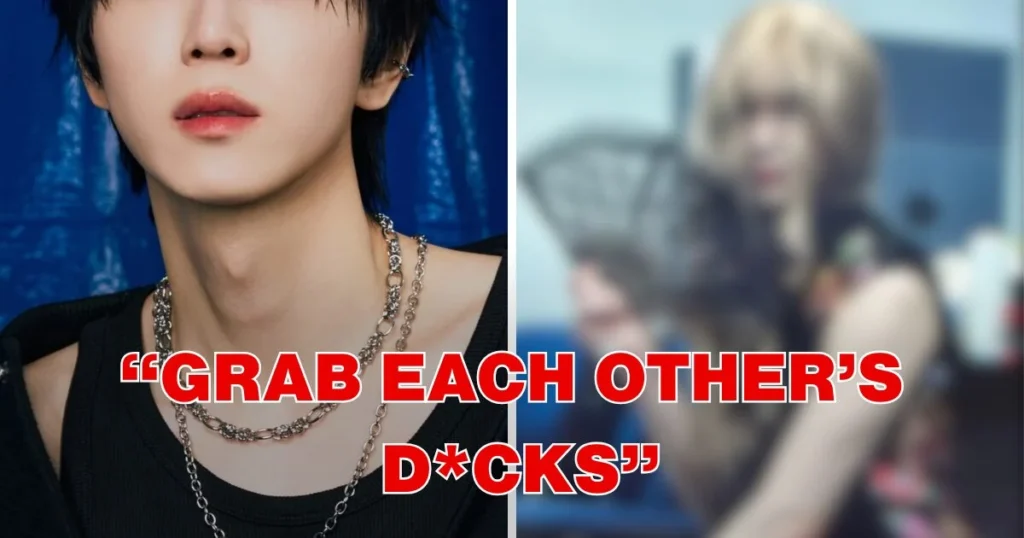
The South Korean music industry is once again navigating the complex intersection of artistic expression and fan expectations following a recent event involving the project group QQQ. The three-member unit, which operates as a sub-group of the established boy band OnlyOneOf, has become the focal point of a heated online discourse after photos from a promotional event in Japan began circulating on social media platforms. The controversy centers on the members’ choice of attire, specifically the use of dresses and long-haired wigs, which has elicited starkly different reactions from domestic Korean audiences and the group’s international fanbase.
The Incident: A Japan Fansign Under the Spotlight
On April 25, 2026, QQQ—comprised of OnlyOneOf members KB (Shin Kyubin), Jisung (Lee Taeyeob), and Nine (Jung Wookjin)—held a fansign event in Japan to promote their recent activities. During the event, KB and Jisung appeared before fans wearing feminine-styled dresses, complemented by long-haired wigs and carefully applied makeup. Nine, the third member of the unit, maintained a more traditional masculine presentation, though the group’s overall aesthetic was undeniably gender-fluid.
Fansign events, a staple of the K-pop promotional cycle, are designed to facilitate close interaction between idols and their supporters. Traditionally, these events often involve "fan service," where idols wear accessories provided by fans, such as flower crowns or animal ears. However, the deliberate and high-effort nature of the QQQ members’ cross-dressing indicated that the styling was a coordinated conceptual choice rather than a spontaneous interaction with fan-provided props.
Images and videos of the event were almost immediately uploaded to X (formerly Twitter) and various online forums, where they quickly garnered tens of thousands of views and interactions. While the Japanese audience present at the event reportedly responded with enthusiasm, the digital footprint of the event triggered a wave of criticism from portions of the South Korean online community.
Chronology of QQQ and the Evolution of OnlyOneOf
To understand the context of this controversy, it is necessary to examine the timeline and artistic trajectory of both the sub-unit and its parent group.
OnlyOneOf debuted in May 2019 under 8D Creative (RSVP). From their inception, the group distinguished itself by pursuing "alternative" K-pop concepts that often explored themes of sensuality, identity, and taboo. In April 2021, the group faced its first major wave of mainstream scrutiny with the release of "libidO," a track featuring choreography that pushed the boundaries of traditional K-pop performances by incorporating homoerotic imagery and physical intimacy between members.
Following the "libidO" era, the group leaned further into these themes. In 2022, they launched the "UndergrOund IdOl" project, a series of monthly solo releases for each member. These releases were notable for their accompanying music videos, which explicitly depicted queer narratives, including same-sex romance and the struggles of identity. KB’s solo "be free" and Nine’s solo "beyOnd" were particularly praised by international fans for their sensitive and direct portrayal of LGBTQ+ themes.
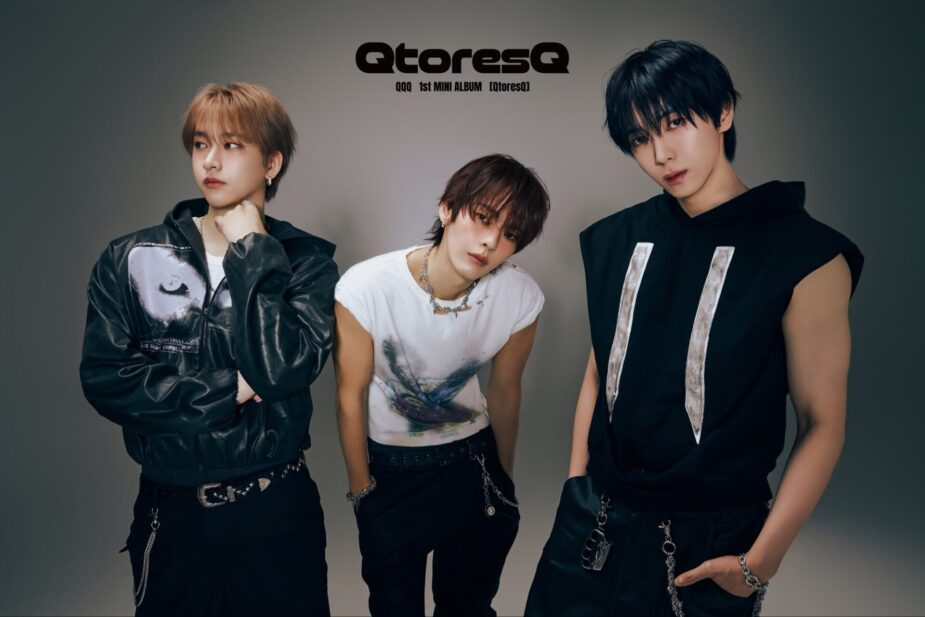
The sub-unit QQQ was officially introduced in February 2026 with the release of their mini-album, QtoresQ. The unit was marketed as an experimental extension of OnlyOneOf’s core identity, focusing on avant-garde visuals and a continuation of the gender-blurring aesthetics the members had previously explored. The Japan fansign on April 25 was part of a larger promotional tour intended to solidify the group’s presence in the Japanese market, where gender-fluid "visual kei" and "androgynous" styles have a long-standing history in the music scene.
Domestic Backlash and Cultural Context
The primary source of criticism emerged from the South Korean domestic web. One specific post on X, which criticized the members for their appearance, amassed over 80,000 views within hours. The sentiment among these critics was characterized by a mixture of confusion and visceral discomfort. Comments translated from Korean platforms suggested that many fans felt the group had "gone too far" or were pursuing an image that was "unnecessarily provocative."
In South Korea, cross-dressing in entertainment has a complicated history. While it is frequently used as a comedic device in variety shows—referred to as "yeojang" (men dressing as women)—it is less commonly accepted when presented as a serious fashion statement or a sincere exploration of gender fluidity within the idol industry. For many domestic viewers, the shift from "queer-coded" choreography (which can be interpreted as performance art) to literal cross-dressing at a fan event felt like a transgression of the unspoken boundaries of the idol-fan relationship.
Some critics questioned the strategic direction of the group’s management, asking what kind of "image" the group hoped to maintain. The concern voiced by some Korean fans is that such extreme departures from traditional masculine norms might alienate the general public and pigeonhole the group into a niche "shock-factor" category, potentially hindering their long-term commercial viability in the domestic market.

International Defense and the "Concept vs. Reality" Debate
In contrast to the domestic backlash, international fans—predominantly from the West and other parts of Asia—rushed to defend the members of QQQ. The prevailing argument among the international community was one of consistency. Supporters pointed out that OnlyOneOf has spent years building a brand centered on breaking gender norms and representing the LGBTQ+ community.
International commenters highlighted the perceived hypocrisy of fans who supported the group during the "libidO" or "UndergrOund IdOl" eras but were now expressing distaste for cross-dressing. One fan noted, "They have been performing choreography that involves intimate contact and releasing music videos about gay romance for years; being upset about a dress seems like a strange place to draw the line."
Furthermore, many international supporters argued that the backlash was rooted in transphobia or a narrow definition of masculinity. They praised KB and Jisung for their perceived bravery in challenging the rigid beauty standards of the K-pop industry. For these fans, the cross-dressing was not a "gag" or a stunt, but a logical progression of the group’s artistic mission to provide a voice for marginalized identities and to redefine what it means to be a male idol in the 21st century.
Industry Analysis: The Strategy of Sub-Units
From a business and marketing perspective, the formation of QQQ and their recent activities reflect a broader trend in the K-pop industry: the use of sub-units to test experimental or controversial concepts.
By delegating more avant-garde or niche aesthetics to a sub-unit, entertainment agencies can protect the primary brand of the main group while still catering to specific demographics or exploring new artistic territories. In the case of OnlyOneOf, the group has always occupied a "niche" space. They do not compete for the same "general public" recognition as groups like BTS or SEVENTEEN; instead, they cultivate a highly dedicated, "cult-like" following that values their unique storytelling and boundary-pushing visuals.
The decision to lean into gender-fluid styling during a Japan event was likely a calculated move. The Japanese music market is significantly more accustomed to androgynous aesthetics, thanks to the influence of Visual Kei and the "genderless dansei" fashion movement. By debuting these looks in Japan, QQQ was operating in a cultural environment that is historically more receptive to such expressions than the more conservative mainstream media landscape of South Korea.
Broader Implications for the K-Pop Industry
The controversy surrounding QQQ serves as a microcosm of the larger tensions currently facing the K-pop industry as it continues to expand globally. As K-pop groups gain massive followings in regions with diverse social and political values, agencies are increasingly forced to balance the conservative expectations of the domestic Korean market with the more progressive or liberal views of international audiences.
OnlyOneOf and its sub-unit QQQ are at the forefront of this cultural friction. While most K-pop groups utilize "queer-baiting" (hinting at same-sex attraction to appeal to certain fanbases without ever confirming it), OnlyOneOf has been noted by critics for moving toward "queer-coding" and even "queer-representation." This shift brings with it a higher level of scrutiny and a higher risk of alienation from traditional fanbases.
The outcome of this debate may influence how other mid-tier agencies approach gender and identity in their groups’ concepts. If QQQ continues to see success in international markets and maintains a loyal Japanese following despite the domestic backlash, it may embolden other artists to pursue more authentic and diverse forms of self-expression. Conversely, if the pressure from domestic fans leads to a retreat from these themes, it will underscore the enduring power of traditional norms within the South Korean entertainment ecosystem.
Conclusion
As of April 26, 2026, 8D Creative has not issued an official statement regarding the online debate. The members of QQQ have also remained silent on the matter, continuing their scheduled activities in Japan. Regardless of the individual opinions held by fans, the event has undeniably succeeded in generating significant conversation, further cementing OnlyOneOf’s reputation as one of the most provocative and unconventional acts in modern K-pop.
The discourse surrounding KB, Jisung, and Nine highlights a pivotal moment for the genre: a struggle to define the limits of the "idol" persona and a question of whether the industry is ready to move beyond the performance of gender and into a space of genuine fluidity. For now, QQQ remains at the center of this storm, wearing their dresses and wigs as both a costume and a statement of intent.
Related News