P1Harmony’s "Unique" Comeback: A Strong Musical Offering Marred by an Underwhelming Music Video
Article Editorial Team
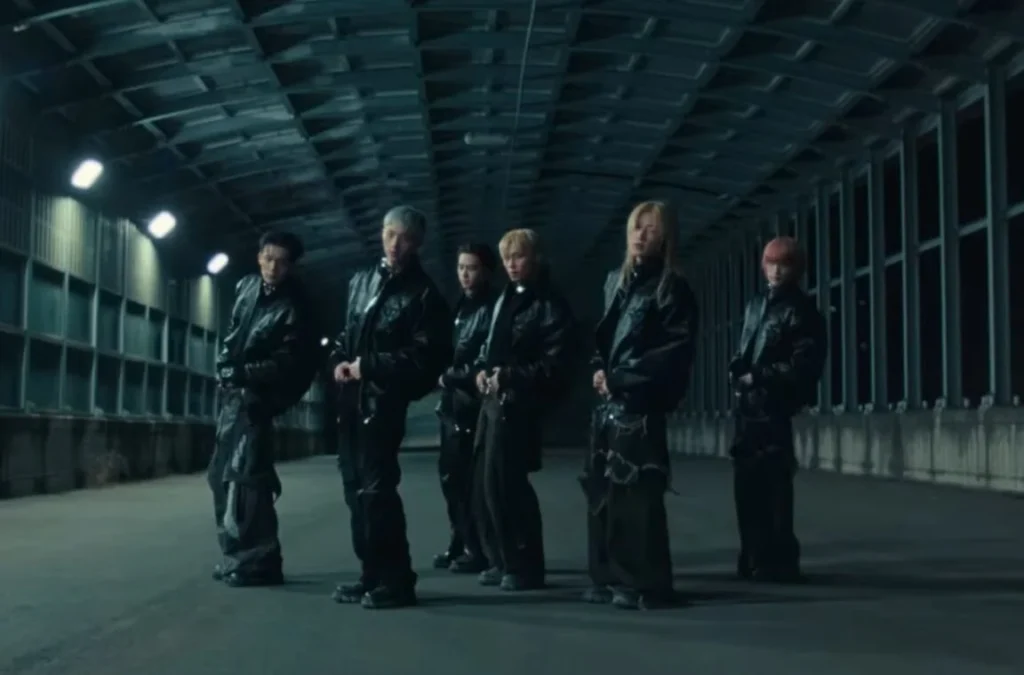
In an era of K-pop where viral sensations and immediate debut triumphs often define success, P1Harmony stands as a notable exception. The six-member boy group, under FNC Entertainment, has carved a distinctive path to prominence, eschewing meteoric rises for a more deliberate, steady ascent. Over the past few years, they have meticulously cultivated and refined a signature style characterized by playful energy, a brash confidence, and high-octane performances. Their latest comeback, featuring the single "Unique," continues this trajectory of musical success, offering a catchy and energetic addition to their discography. However, the accompanying music video for "Unique" presents a stark contrast, failing to fully capitalize on the song’s inherent strengths and the group’s undeniable charisma.
The Evolution of P1Harmony: A Gradual Rise to Prominence
P1Harmony debuted on October 28, 2020, with their EP Disharmony: Stand Out. Unlike many K-pop groups who experience an immediate surge in popularity following their debut, P1Harmony’s journey has been one of consistent effort and gradual audience building. This approach has allowed them to develop a robust fanbase that appreciates their evolving artistry and dedication. Their discography showcases a thematic exploration of discord and harmony, often reflecting societal pressures and the challenges of adolescence. This narrative depth, combined with their powerful performances, has resonated with a growing international audience.
The group comprises six members: Keeho (leader, vocalist), Theo (vocalist), Jiung (vocalist, rapper), Intak (rapper, dancer), Soul (dancer, vocalist), and Jongseob (rapper, dancer). Their collective talent and distinct personalities have been a driving force behind their sustained growth. Over the years, P1Harmony has released a series of EPs and singles, each building upon their established sound and visual identity, while also showcasing experimentation. This consistent output and commitment to performance have solidified their reputation as a group with considerable potential and a dedicated following.
"Unique": A Musical Triumph with Visual Discrepancies
The single "Unique" itself is a testament to P1Harmony’s ability to craft infectious and energetic tracks. The song embodies the group’s signature blend of assertive rap verses, dynamic vocal performances, and a driving beat that compels listeners to move. It aligns perfectly with their established sonic palette, offering a fresh yet familiar sound that their fans have come to expect and admire. The track’s lyrical content often explores themes of self-acceptance and individuality, reinforcing the song’s title and the group’s broader artistic message.
However, the music video for "Unique" presents a significant departure in quality and execution compared to the song’s musical strength. The visual narrative opts for a maximalist, VFX-heavy approach, a direction that, in theory, could amplify P1Harmony’s bold energy. Maximalism, when executed effectively, can create visually arresting and immersive experiences. The concept of a dystopian fantasy, often employed in K-pop music videos, can lend itself to dramatic visuals and elaborate world-building. Yet, in the case of "Unique," the execution falls short of its ambitious aspirations.
The imagery employed within the music video is largely derivative, drawing from well-trodden tropes of dystopian futures. This lack of originality renders the visual experience predictable and fails to offer the fresh perspective that the song’s title suggests. The intended "unique" aspect of the visual narrative is, unfortunately, absent. The reliance on common visual motifs, such as futuristic cityscapes and abstract representations of societal decay, does little to distinguish the video from numerous other productions within the genre.
Execution Lacking: A Missed Opportunity for Visual Innovation
The article points out that the execution of the maximalist aesthetic in the "Unique" music video is where the primary shortcomings lie. While the concept might have had potential, the practical application appears to have been hampered by budgetary constraints or a lack of refined directorial vision. Videos that successfully employ extensive visual effects and complex set designs often benefit from substantial financial investment, allowing for seamless integration of CGI and practical effects. The article suggests that such a blank check was not available for this production, and the resulting limitations are evident.
The editing of the music video is described as choppy, disrupting the flow and visual coherence. This disjointed pacing can detract from the viewer’s engagement and prevent the intended impact of the visual elements. Furthermore, many of the special effects appear to "pop clunkily off the screen," indicating a lack of integration and polish. Instead of enhancing the narrative or the performance, these effects can feel extraneous and amateurish, pulling the viewer out of the experience. This is particularly disappointing given P1Harmony’s reputation for high-energy performances, which are often enhanced by dynamic visual storytelling.
Despite these criticisms, the article acknowledges that there are indeed moments of visual merit within the "Unique" music video. Certain VFX shots are noted for their successful integration with the members’ performances. An example cited is a comic book-style drawing of Jiung that seamlessly merges with his actual face, a creative visual that adds a unique flair. Similarly, a close-up shot of Intak featuring dramatic veins appearing on his face is highlighted as an effective and engaging visual. These instances demonstrate that the creative team was capable of producing striking imagery. However, these positive elements are ultimately overshadowed by the overall lack of cohesion and the underdeveloped nature of the majority of the visual content.
The Star Power of P1Harmony: Undermined by Visual Clutter
Perhaps the most significant critique of the "Unique" music video is its failure to adequately showcase the members’ individual charisma and the group’s collective energy. The article argues that the MV’s greatest "crime" is that it "largely drowns out P1Harmony’s charisma in all the clutter." The busy and often uninspired visual environment, coupled with the poorly executed effects, detracts from the members themselves. In K-pop, the visual appeal and performance prowess of the artists are paramount. When a music video fails to highlight these aspects, it undermines the very essence of the genre.
The article draws a stark comparison between the music video and a performance of "Unique" on a music show. This comparison is crucial, as music show stages often provide a more direct and unadulterated view of a group’s performance capabilities. On these stages, the song is described as "bursting to life, full of fun performance touches and strong choreography." This highlights a fundamental issue: the music video, intended to be a primary visual representation of the song, actually diminishes its impact compared to a live performance. The vibrant energy, intricate choreography, and individual member expressions that make P1Harmony so compelling are lost amidst the visual noise of the MV.
This discrepancy suggests a miscalculation in the visual strategy for "Unique." While experimentation with music video concepts is encouraged, the chosen aesthetic should serve to elevate, not obscure, the artists. The success of a music video is not solely dependent on the complexity of its visuals but on its ability to connect the viewer with the music and the performers. In this instance, the visual narrative appears to have taken precedence over the group’s inherent appeal.
A Strong Comeback Despite Visual Setbacks: Future Prospects
Despite the criticisms leveled against the music video, the article concludes that "Unique" remains a strong comeback for P1Harmony from a musical standpoint. The song’s quality and the group’s vocal and rap performances are clearly recognized as strengths that transcend the visual limitations. It is also acknowledged as positive that the group attempted a different visual direction for their music video. Historically, P1Harmony’s music videos have sometimes exhibited a somewhat interchangeable aesthetic, making this deviation a noteworthy effort towards exploring new creative avenues.
The article expresses hope that P1Harmony will continue to experiment with their visual concepts in future releases. However, it offers a crucial piece of advice for their future endeavors: any aesthetic that fails to highlight the group’s charm and performance power is ultimately not a worthwhile pursuit. This emphasizes the importance of a strategic approach to visual content, ensuring that it complements and enhances the group’s strengths rather than detracting from them.
The implications of this assessment are significant for P1Harmony’s career trajectory. While their consistent musical output and strong performance skills are undeniable assets, the effectiveness of their visual content plays a vital role in their overall marketability and global reach. For a group that has steadily built its fanbase, refining their visual storytelling to match their musical prowess will be key to unlocking their full potential. The success of "Unique" as a song demonstrates that P1Harmony is capable of delivering compelling content. The challenge moving forward will be to ensure that their visual representations are equally impactful, allowing their charisma and talent to shine through without impediment.
The article’s conclusion serves as both a critique and a hopeful outlook. It validates the group’s musical achievements while offering constructive feedback on their visual strategies. As P1Harmony continues to mature as artists, their ability to learn from these experiences and adapt their approach to music video production will undoubtedly contribute to their sustained growth and success in the competitive K-pop landscape. The underlying message is clear: P1Harmony’s strength lies in their performance and their unique connection with their audience, and any visual strategy must serve to amplify this fundamental asset.
Related News