Paul McCartney’s "Days We Left Behind" Debuts on Adult Contemporary Chart, Extending a Six-Decade Legacy
Article Editorial Team
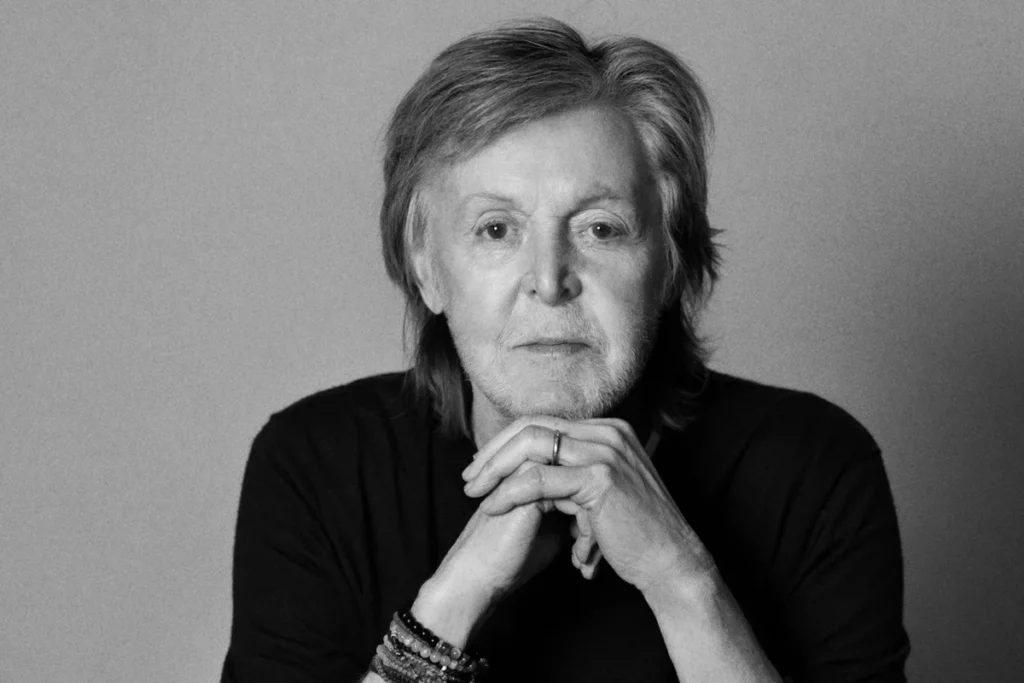
Paul McCartney continues to demonstrate the enduring power of his music, with his latest single, "Days We Left Behind," making its debut on Billboard’s Adult Contemporary (AC) airplay chart. The track enters at number 22 on the list dated April 18, marking another significant milestone in an illustrious career that began on the charts in the 1960s. This latest chart appearance underscores McCartney’s remarkable ability to connect with audiences across generations and maintain relevance in the contemporary music landscape.
The song, "Days We Left Behind," serves as a preview of McCartney’s forthcoming solo album, The Boys of Dungeon Lane, slated for release on May 29. This new project promises to offer fans a fresh collection of songs from the legendary artist, further solidifying his prolific output and creative vitality. The anticipation for The Boys of Dungeon Lane is heightened by the strong reception of its lead single, "Days We Left Behind," on the AC chart.
McCartney’s previous appearance on the Adult Contemporary chart was in October 2018, with the song "Come On to Me." That track reached a peak position of number 10, becoming his 19th top 10 hit as a solo artist. This impressive statistic includes five number-one singles and several chart-topping collaborations. His solo success on the AC chart is built upon a foundation of iconic hits, including five number-one singles. These include his triumphs with Wings, such as "My Love" (which spent three weeks at No. 1 in 1973), "Silly Love Songs" (one week in 1976), and "Let ‘Em In" (one week in 1976). Further solidifying his solo prowess, he achieved chart dominance with "Ebony and Ivory," a duet with Stevie Wonder that held the top spot for five weeks in 1982, and "The Girl Is Mine" with Michael Jackson, which commanded the chart for four weeks between 1982 and 1983. McCartney’s solo journey on the AC chart officially began in 1971 with "Another Day," a song that peaked at number 4.
The roots of McCartney’s chart presence, however, stretch back much further, to his groundbreaking work with The Beatles. The Fab Four first graced the Billboard charts in the 1960s, and their influence continued long after their breakup. The Beatles accumulated three top 10 hits on the AC chart between 1970 and 1976, led by the monumental success of "Let It Be," which spent four weeks at number 1 in 1970. This early chart history laid the groundwork for McCartney’s subsequent solo achievements, demonstrating a consistent ability to produce music that resonated with radio programmers and listeners alike.
The debut of "Days We Left Behind" at number 22 on the AC chart represents McCartney’s highest debut on this specific format since 1978. In that year, Wings’ "With a Little Luck" entered the chart at number 21. This historical context highlights the significance of the current chart placement, indicating a strong initial push for the new single and a continued demand for McCartney’s artistic contributions.
Beyond its performance on the Adult Contemporary chart, "Days We Left Behind" is also garnering attention on other radio formats. The song has begun receiving airplay on adult alternative stations and made a notable debut on the Rock Digital Songs chart. It entered that chart at number 7 on the list dated April 11, showcasing its broad appeal across different musical demographics. This multi-format traction suggests that McCartney’s new material is resonating with a diverse audience, a testament to his universal songwriting talent.
McCartney, now 83 years old, has shared personal insights into the inspiration behind "Days We Left Behind" and the upcoming album. In a statement accompanying the announcement of the new album, he described the song as a "memory song." He elaborated that the album title, The Boys of Dungeon Lane, is derived from a lyric within this very track. McCartney reflected on his creative process, musing, "I was thinking just that, about the days I left behind, and I do often wonder if I’m just writing about the past, but then I think, ‘How can you write about anything else?’" This sentiment speaks to the deeply personal nature of his songwriting and his connection to his past, which often informs his present creative output.
He further illuminated the lyrical content, stating, "It’s just a lot of memories of Liverpool." McCartney’s hometown serves as a rich wellspring of inspiration for his work, and "Days We Left Behind" delves into these formative experiences. He specifically mentioned a section in the song that references John Lennon and Forthlin Road, the street where McCartney himself lived. Dungeon Lane, he noted, is located near Forthlin Road. McCartney’s childhood in Speke, described as a working-class area, is also a significant influence. He recalled, "We didn’t have much at all, but it didn’t matter because all the people were great and you didn’t notice you didn’t have much." This nostalgic yet appreciative reflection underscores the emotional depth and authenticity of the song.

The release of The Boys of Dungeon Lane and the charting of "Days We Left Behind" are significant events in the ongoing narrative of Paul McCartney’s career. His ability to consistently produce new music that achieves chart success, even after decades in the industry, is a rare feat. This sustained relevance can be attributed to several factors: his unparalleled songwriting talent, his adaptability to evolving musical landscapes, and his deep-seated connection with his global fanbase. Each new release is met with considerable interest, not only from long-time admirers but also from newer generations of music listeners drawn to his iconic status and timeless sound.
A Six-Decade Chart Trajectory
Paul McCartney’s relationship with the Billboard charts is a chronicle of musical evolution and enduring artistry. His initial chart appearances with The Beatles in the 1960s marked the beginning of a phenomenon that would reshape popular music. The band’s string of hits established them as one of the most influential groups in history, and their impact continued to be felt on the charts even after their disbandment.
The Beatles’ Chart Peaks:
- 1964-1970: The Beatles amassed numerous chart-toppers, with their presence felt across various Billboard formats.
- Adult Contemporary Influence: Post-breakup, their enduring popularity translated into continued chart success. "Let It Be" (1970) stands as a prime example, topping the Adult Contemporary chart for four weeks.
Paul McCartney’s Solo Ascendancy:
- 1971: McCartney launched his solo career with "Another Day," which reached No. 4 on the AC chart, signaling his independent success.
- Wings Era: His band Wings also achieved significant chart success, with hits like "My Love" (1973), "Silly Love Songs" (1976), and "Let ‘Em In" (1976) all hitting No. 1 on the AC chart.
- Collaborative Triumphs: His duets with Stevie Wonder ("Ebony and Ivory," 1982) and Michael Jackson ("The Girl Is Mine," 1982-83) further cemented his status as a chart-topping artist, with both singles reaching No. 1 on the AC chart.
- Consistent Presence: Throughout the 1980s, 1990s, and into the 21st century, McCartney has continued to release music that finds its way onto the charts, demonstrating a remarkable consistency. His 2018 hit "Come On to Me" reaching No. 10 on the AC chart is a testament to this longevity.
"Days We Left Behind" and the Present Day:
The debut of "Days We Left Behind" at No. 22 on the AC chart on April 18 signifies not just a new song entering the rankings, but the continuation of a legacy that spans over sixty years. This debut is particularly noteworthy as it represents his highest entry on the AC chart since 1978, indicating strong radio support from the outset. The song’s success also extends to digital sales, with its appearance on the Rock Digital Songs chart at No. 7 on April 11.
Analysis of Implications:
The continued chart success of Paul McCartney, even in his 80s, has several implications for the music industry and for artists navigating long careers:
- Enduring Appeal of Legacy Artists: McCartney’s performance demonstrates that established artists with a deep catalog and a devoted fanbase can continue to achieve commercial success with new material. This offers a counterpoint to the often-perceived focus on emerging artists in the contemporary music market.
- Power of Radio Airplay: The Adult Contemporary chart remains a significant platform for reaching a broad, established listening audience. McCartney’s ability to secure strong debut positions on this chart highlights the continued relevance of radio in promoting established artists.
- Cross-Generational Connection: The fact that McCartney’s music, both new and old, continues to resonate with diverse age groups suggests a universal quality to his songwriting and a strong connection with listeners across generations.
- Artistic Vitality: His commitment to releasing new music and touring, even at this stage of his career, serves as an inspiration and a model for artistic longevity. It challenges the notion that artists necessarily retreat from public life or new creative endeavors after reaching a certain age or level of success.
The upcoming release of The Boys of Dungeon Lane is poised to be another significant event in McCartney’s storied career. With "Days We Left Behind" already making waves on the charts, the album is expected to be met with widespread enthusiasm from fans and critics alike, further underscoring the timeless appeal of one of music’s most iconic figures. The consistent presence of Paul McCartney on the charts is not merely a statistical anomaly; it is a testament to his enduring talent, his deep connection with his audience, and his unyielding passion for creating music that transcends time.
Related News