Perfect Crown Pushes Through With Offline Events Despite Controversy
Article Editorial Team
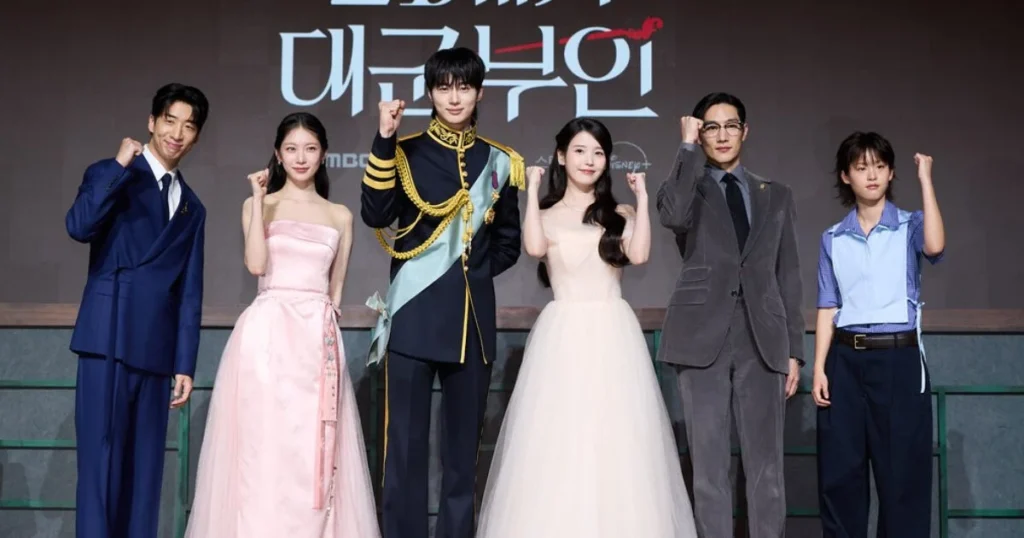
The historical K-Drama Perfect Crown is proceeding with its planned offline pop-up store event, albeit with a significantly reduced schedule, despite an escalating public outcry over alleged historical inaccuracies within the series. This decision has met with widespread disappointment among netizens and pre-sale ticket holders, many of whom are now demanding the complete cancellation of all related promotional activities, arguing that continuing to profit from a controversial drama is disrespectful to public sentiment and historical integrity.
The Genesis of Controversy: Historical Inaccuracies Spark Public Outrage
Perfect Crown, a highly anticipated historical drama, began airing to considerable buzz, but its initial reception quickly soured as viewers and historical enthusiasts began to flag numerous inconsistencies and perceived distortions of historical facts. The specific nature of these inaccuracies, reportedly ranging from the misrepresentation of key historical figures and their relationships to anachronistic cultural practices and settings, rapidly became a focal point of public discourse. Within the highly sensitive landscape of South Korean media, historical dramas carry a significant cultural weight, often seen as reflections or interpretations of national heritage. Any perceived deviation from established historical narratives can trigger intense public backlash, fueled by a strong collective sense of historical ownership and patriotism.
The criticisms quickly moved beyond casual online discussions, culminating in a significant public outcry. Petitions circulated online, social media platforms buzzed with hashtags condemning the drama, and articles detailing the alleged blunders began to emerge, putting immense pressure on the production team and broadcasters.
Production’s Initial Response: Apologies and Responsibility
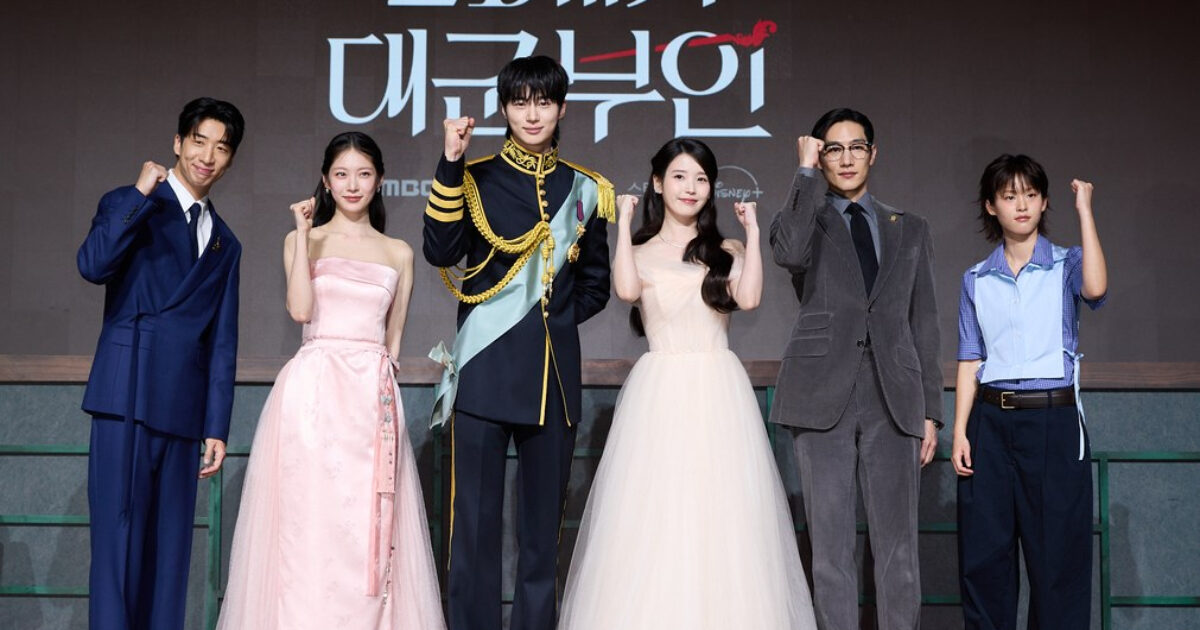
In the wake of the mounting controversy, the production team of Perfect Crown initiated a series of damage control measures. Lead actors, often the most visible faces of a project, issued public apology letters online. These apologies typically expressed regret for causing concern and reaffirmed their commitment to their roles, though they rarely delved into the specifics of the historical debates. Following these individual statements, the drama’s director, a crucial figure responsible for the creative vision, bowed his head in a public apology, acknowledging the concerns and stating his intention to take full responsibility for the matter. This gesture, a common practice in South Korean public apologies, signifies a deep acknowledgment of fault and regret. The production company also issued official statements, promising to review the contested segments and implement corrective measures, though the specifics of these rectifications often remained vague amidst the ongoing broadcast.
Chronology of Events: A Timeline of Escalation
The controversy surrounding Perfect Crown has unfolded rapidly, demonstrating the swiftness with which public sentiment can shift in the digital age:
- Early Broadcast Period (Dates inferred, leading up to May 2026): Perfect Crown premieres, initially garnering attention for its cast and production value.
- Initial Weeks of Broadcast (Dates inferred, leading up to May 2026): Viewers begin to notice and discuss historical discrepancies on online forums and social media. These discussions are initially fragmented but gain traction.
- Mid-May 2026: A specific episode or series of narrative choices triggers widespread condemnation, leading to a significant surge in public outrage. Historians and cultural commentators weigh in, validating many of the public’s concerns. News outlets begin to report extensively on the "historical blunder."
- Shortly After (May 2026): Lead actors release individual apology letters, acknowledging the controversy and expressing regret.
- Concurrent with Actor Apologies (May 2026): The director of Perfect Crown issues a public apology, accepting full responsibility for the historical inaccuracies. The production company pledges to address the issues.
- Pre-existing Event Planning (Prior to May 19, 2026): A pop-up store, designed to capitalize on the drama’s popularity through merchandise sales and fan engagement, is announced with an original schedule of May 19-28. Pre-sale tickets are made available.
- May 19, 2026: The pop-up store opens as planned, despite the ongoing controversy.
- May 22, 2026 (Report Date): Netizens who purchased pre-sale tickets receive an official notice regarding an abrupt change in the pop-up store’s schedule. The event is shortened from 10 days to 7 days, with product sales ceasing prematurely.
- May 22, 2026 onwards: The revised schedule announcement intensifies public disappointment, leading to widespread demands for the complete shutdown of the pop-up store and other promotional events.
The Pop-Up Store Becomes a Flashpoint for Discontent
The decision to proceed with the Perfect Crown pop-up store, even in a modified form, has proven to be a critical misstep in public relations for the production company. Pop-up stores are a common strategy in the K-drama industry, serving as immersive experiences where fans can purchase exclusive merchandise, engage with themed decor, and participate in interactive activities, all designed to deepen their connection with the drama and generate additional revenue. The Perfect Crown pop-up store was initially slated to run for 10 days, from May 19 to May 28.
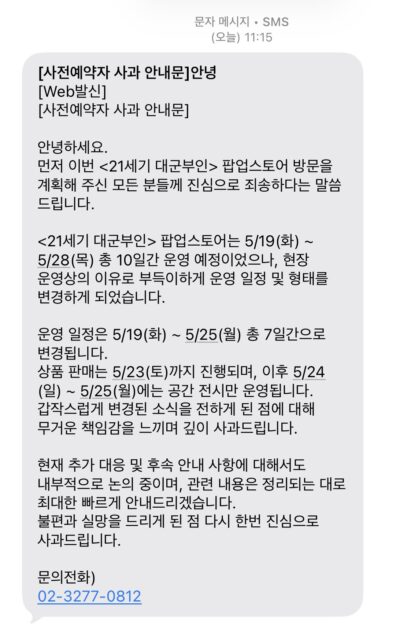
However, pre-sale ticket holders recently received a notice outlining significant changes. The event’s duration has been curtailed to seven days, now scheduled to conclude on May 25. More notably, product sales, a primary draw for many attendees, will cease on May 23. For the remaining two days, May 24 and 25, the store will operate solely as a display area, effectively limiting purchasing opportunities for those who may have planned their visits for later dates. The official notice stated:

"Hello, first, we would like to apologize to everyone who was planning to visit the drama’s pop-up store. While the pop-up store was scheduled to run for 10 days (5/19-5/28), due to operational reasons, it has been changed to run for seven days (5/19-5/25). Product sales will run until 5/23, and from 5/24-25, products will only be put on display. We truly apologize for the sudden change in schedule."
While the notice cited "operational reasons" for the change, many netizens quickly inferred that the decision was a direct consequence of the overwhelming negative sentiment surrounding the drama’s historical inaccuracies. This perceived half-measure—reducing the event rather than canceling it—has only exacerbated public frustration.
Public and Netizen Reactions: Demands for Complete Accountability
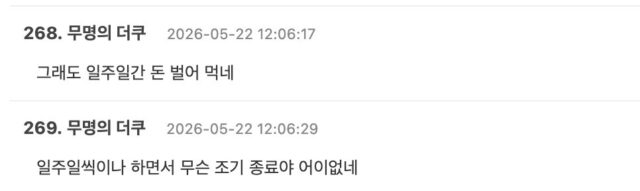
The public’s reaction to the shortened pop-up store schedule has been overwhelmingly negative. Online forums, social media platforms, and news article comment sections are replete with expressions of disappointment, anger, and demands for greater accountability. Netizens argue that merely reducing the event’s duration is insufficient and fails to address the core issue of disrespect towards history. Many believe that allowing the pop-up store to continue, even in a limited capacity, represents an attempt by the production company to profit from a drama that has deeply offended a significant portion of the audience.
Comments frequently call for a complete shutdown of the event, with some users stating, "If you truly apologize, then cancel all related events. Why continue to sell merchandise from a problematic drama?" Others questioned the integrity of the production, accusing them of prioritizing financial gains over public trust and historical fidelity. The sentiment reflects a broader societal expectation in South Korea that productions dealing with sensitive historical themes must uphold a high standard of accuracy and be responsive to public criticism. For many, continuing with promotional events signals a lack of genuine remorse and a disregard for the collective anger.
Broader Implications: Financial, Reputational, and Industry-Wide Impact
The controversy surrounding Perfect Crown carries significant financial and reputational implications for all parties involved.
Financial Repercussions:
The most immediate financial impact is likely felt in advertising revenue and potential international distribution deals. Sponsors may pull out or reduce their investment, wary of associating their brands with a controversial project. International buyers, particularly in markets sensitive to Korean cultural integrity, might reconsider licensing the drama. The truncated pop-up store, while potentially salvaging some revenue from early sales, will undoubtedly result in lost income from the shortened sales period and reduced foot traffic. Furthermore, potential lawsuits or demands for refunds from pre-sale ticket holders who feel misled could add to the financial burden.
Reputational Damage:
The production company, the broadcasting network, and the individual actors involved face severe reputational damage. For the production house, this incident could lead to increased scrutiny for future projects, making it harder to secure funding or attract top talent. For the network, it undermines public trust and could affect overall viewership for other programs. Actors, who often rely heavily on their public image, might find their careers negatively impacted, with some facing boycotts from fans or reduced opportunities for endorsements and future roles. The director, having taken "full responsibility," will carry this controversy as a significant mark on their professional record.
Industry-Wide Scrutiny:
This incident is not isolated within the K-drama landscape. Several historical dramas in recent years have faced similar backlashes, often leading to cancellations or significant re-edits. The Perfect Crown controversy reinforces a trend of heightened public vigilance regarding historical accuracy in media. This could lead to a more conservative approach from production companies when developing historical narratives, potentially increasing the involvement of historical consultants and researchers during pre-production. While some argue this might stifle creative freedom, others believe it encourages a more responsible and respectful approach to cultural heritage. It also underscores the power of organized public opinion, particularly through online platforms, to influence the trajectory and fate of major cultural productions.
The Enduring Debate: Artistic Freedom vs. Historical Fidelity
The Perfect Crown controversy also reignites the perennial debate within the entertainment industry: the delicate balance between artistic license and historical fidelity. Proponents of artistic freedom argue that dramas are works of fiction and should not be bound by strict historical accuracy, allowing for creative storytelling and dramatization. They contend that the primary purpose of entertainment is to engage and entertain, not to serve as a history textbook.
Conversely, critics and a significant portion of the public argue that historical dramas, by their very nature, carry an inherent responsibility to history. They are often the primary source of historical information for many viewers, especially younger generations. Distorting historical facts, particularly those related to national figures or sensitive periods, is seen as a betrayal of public trust and a potential misrepresentation of cultural identity. In a nation like South Korea, which has a deeply intertwined history with its cultural output, this debate takes on a particularly potent significance. The expectation is that while creative elements can be added, the fundamental historical framework and respect for key figures and events must remain intact.
The Path Forward for Perfect Crown
As Perfect Crown navigates this turbulent period, the path forward remains uncertain. The decision to shorten the pop-up store rather than cancel it entirely suggests a strategy to mitigate losses while acknowledging public sentiment to some degree. However, this middle-ground approach appears to have satisfied neither the production company’s commercial interests (as revenue opportunities are cut short) nor the public’s demand for complete accountability.
The drama itself will likely continue to be scrutinized with unprecedented intensity. Its legacy will undoubtedly be intertwined with this controversy, potentially overshadowing its artistic merits or entertainment value for many. The incident serves as a stark reminder to content creators in South Korea and beyond that cultural sensitivity and historical accuracy are not merely footnotes but foundational pillars upon which public trust and commercial success are built. The Perfect Crown saga is a vivid illustration of the complex interplay between creative industries, historical narratives, and the powerful voice of a discerning public.
Related News