Perspectives of Black K-pop Fans on Cultural Appropriation Representation and the Influence of Black Culture in Korean Entertainment
Article Editorial Team
The global expansion of the Korean Wave, or Hallyu, has transformed K-pop from a domestic musical genre into a multi-billion-dollar international phenomenon. This growth has brought together a diverse array of fans from various ethnic, cultural, and geographic backgrounds. However, as the genre increasingly draws inspiration from Black American music, fashion, and aesthetics, it has also sparked significant discourse regarding cultural appropriation, racial stereotyping, and the lived experiences of Black fans within the community. In a recent roundtable discussion, prominent voices within the K-pop commentary space—Camiele, Cjontai, and Taylore—shared their insights into the complexities of being a Black fan in a space that often celebrates Black culture while simultaneously marginalizing Black people.
The Historical Influence of Black Culture on K-Pop
K-pop’s identity is inextricably linked to Black musical traditions. The genre’s modern iteration can be traced back to 1992 with the debut of Seo Taiji and Boys, who introduced American hip-hop and New Jack Swing to the Korean mainstream. Since then, the industry has relied heavily on R&B, soul, funk, and hip-hop as its sonic foundation.
During the roundtable, participants noted the positive aspects of this influence, citing artists who demonstrate genuine appreciation. BTS’s leader, RM (formerly Rap Monster), was highlighted for his public recommendations of Black artists such as D’Angelo, Prince, and India Arie. This type of engagement is viewed as "true appreciation" because it encourages a global audience to explore the roots of the music they enjoy. Furthermore, the impact of Michael Jackson remains a cornerstone of the industry, with idols across generations—from SHINee’s Taemin to Teen Top’s Niel—paying homage to the "King of Pop" through choreography and visual aesthetics.

However, the line between appreciation and appropriation is frequently blurred. The roundtable contributors pointed to the 2015 releases of 4Minute’s "Crazy" and Keith Ape’s "It G Ma" as examples of "concept-driven" hip-hop that often feels like a costume rather than a craft. When hip-hop is used as a "trendy, edgy gimmick" by groups who may not understand the history or socio-political weight of the culture, it enters the territory of appropriation.
A Chronology of Cultural Friction
The history of K-pop is marked by several high-profile incidents that have caused friction between Korean entertainment companies and their international Black audience. These incidents often follow a pattern of cultural ignorance followed by fan-led education efforts.

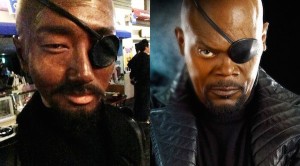
- The Blackface Incidents: Over the decades, various idols have appeared in "blackface" on variety shows or social media, often under the guise of "comedy" or "impersonation." Notable examples include Super Junior’s Yesung and members of various rookie groups who have donned dark makeup to mimic Black celebrities.
- The Confederate Flag Controversy: The use of the Confederate flag in K-pop fashion has been a recurring issue. Fans often defend these choices by citing Western artists like Kanye West, who used the imagery provocatively. However, as Cjontai noted during the discussion, one Black artist’s controversial choice does not grant a universal license for others to use a symbol of systemic oppression as a fashion statement.
- The Use of Racial Slurs: Several rappers within the Korean hip-hop scene, including San E and Zico, have faced backlash for using racial slurs in their lyrics. While some artists claim these were mistakes born of linguistic ignorance, the impact on Black listeners remains profound.
- Appropriation of Hairstyles: The frequent use of cornrows, dreadlocks, and "box braids" as part of "tough" or "hip-hop" concepts has been a point of contention. For Black fans, these hairstyles are not merely aesthetic choices but are tied to a history of racial discrimination and identity.
Analyzing the "Let it Slide" Culture
One of the most significant challenges identified by the roundtable is the internal pushback within the fandom. When Black fans raise concerns about cultural insensitivity, they are frequently met with dismissive attitudes from non-Black fans. Common refrains include "they didn’t know any better" or "it’s just a concept."
This "let it slide" mentality is described by the participants as insidiously passive-aggressive. It suggests that the feelings of marginalized fans are less important than the unblemished reputation of the idols. Furthermore, it creates a paradox where fans praise idols for their talent and hard work while simultaneously infantilizing them by suggesting they are "too stupid" to learn about the cultures they are emulating.

The roundtable emphasized that in the digital age, cultural ignorance is increasingly difficult to justify. As Korean entertainment companies aggressively pursue Western markets, the responsibility to conduct basic research on the historical significance of cultural symbols becomes a business necessity as much as a moral one.
The Lack of Representation in Fan-Produced Content
The experience of a Black K-pop fan is also shaped by their invisibility in the broader fan culture. Taylore pointed out that fan-produced content, such as "reader-insert" fanfiction, rarely accounts for the physical realities of Black fans. Descriptions of a bias "running his hands through my hair" often fail to resonate with fans whose hair textures do not fit a specific Eurocentric or East Asian mold.
This lack of representation extends to the romantic illusions that drive much of the K-pop industry’s marketing. Many Black women feel excluded from the "desirability" narrative, as Korean beauty standards—and the global standards they often mirror—frequently prioritize pale skin and specific features. This results in a unique form of engagement where Black fans may enjoy the music and the personalities of idols while remaining acutely aware of their own perceived "otherness" within the fandom.
Official Responses and Industry Accountability
While many controversies go unaddressed by major agencies, there have been instances of positive engagement. The roundtable cited Seven Seasons (the agency for Block B) as an example of a company that has responded constructively to international fans. When fans reached out to educate the agency about Zico’s use of offensive language or "black style" impressions, the company reportedly took the feedback seriously.

Such responses are crucial for the long-term viability of K-pop in the West. As the genre moves into the mainstream, it is no longer shielded by the "niche" label. High-profile collaborations with artists like Warren G, Missy Elliott, and Snoop Dogg have brought K-pop into direct contact with the architects of hip-hop culture. These collaborations necessitate a higher level of cultural literacy and respect.
Broader Impact and Implications for the Future
The discussion concluded with a call for respect—not just for the music, but for the people who created the foundations upon which K-pop is built. The contributors noted that without the influence of Black artists, the current K-pop landscape would likely not exist. Genres like R&B and hip-hop are the lifeblood of groups like EXO, Big Bang, and Epik High. Shows like Show Me the Money and Unpretty Rapstar are direct exports of a culture that began in the Bronx in the 1970s.

The implications for the industry are clear: for K-pop to be a truly global and inclusive phenomenon, it must move beyond "using" Black culture as a prop and toward a model of genuine partnership and respect. This includes:
- Cultural Sensitivity Training: Agencies should invest in training for idols and creative directors to understand the global context of the imagery they use.
- Diverse Creative Teams: Hiring international consultants and Black creatives can help prevent "cringe-inducing" appropriation before it reaches the public.
- Direct Communication with Fans: Agencies must acknowledge that international fans are not a monolith and that the concerns of Black fans are valid and rooted in historical reality.
Despite the challenges, many Black fans remain committed to the genre. Their involvement has led to the formation of new friendships, the learning of the Korean language, and a deeper appreciation for Asian entertainers who are themselves often underrepresented in Western media. As Cjontai eloquently stated, music is like a "stained-glass window," requiring a "kaleidoscope of colors" for its full beauty to shine. By addressing these systemic issues, the K-pop industry has the opportunity to ensure that all fans, regardless of their background, feel seen, respected, and valued in the "Hallyu" wave.
Related News