
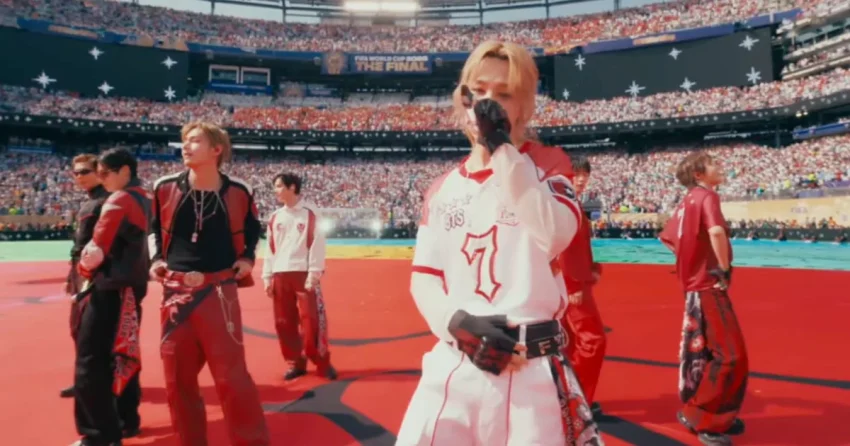
The 2026 FIFA World Cup, hosted across North America, was envisioned as a historic intersection of global sport and premier entertainment. As the first tournament to feature an expanded 48-team format, the scale of the event was unprecedented, reaching a projected global audience of billions. Central to this cultural spectacle was the halftime performance by BTS, the South Korean septet widely regarded as the most influential musical group of the 21st century. However, what was intended to be a triumphant moment of cultural diplomacy has instead ignited a firestorm of controversy. Following the group’s performance, a wave of criticism regarding their live execution emerged, culminating in a highly publicized and polarizing critique from American journalist and commentator Megyn Kelly on her political news podcast.
The performance, which took place during a high-stakes match in the latter stages of the tournament, featured an ambitious medley of the group’s global hits. While the stadium atmosphere was initially electric, the immediate aftermath on social media and international news outlets suggested a divide in perception. Initial reports from broadcast partners, including the BBC, had already hinted at inconsistencies in the group’s live vocals. This sentiment was soon echoed and amplified by Kelly, whose commentary shifted the discourse from a standard review of a pop performance into a broader debate regarding professional standards, the "tired" state of global icons, and the authenticity of modern stadium shows.
The Critique: Megyn Kelly’s Assessment
On a recent episode of her podcast, Megyn Kelly did not mince words regarding the quality of the BTS halftime show. Comparing the performance to legendary halftime spectacles of the past, Kelly characterized the display as lacking the vigor and precision typically associated with the group. Her commentary focused on two primary areas: the perceived lack of effort in choreography and the reliance on backing tracks, which she characterized as "lip-syncing."
"Both the lip-syncing and the dancing looked like a college boy band imitating BTS to me," Kelly stated during the segment. She further elaborated by contrasting the group’s energy with that of their supporting performers. "See, the acrobats around them are doing a good job. The actual band, look at how they’re phoning in on even the motions. This is no Michael Jackson at the Super Bowl. Look at them, they look tired."
The comparison to Michael Jackson’s 1993 Super Bowl XXVII performance is a significant benchmark in the industry. Jackson’s set is often cited by critics as the gold standard for solo pop performances, characterized by high-octane energy and a commanding stage presence that redefined the halftime show format. By invoking this comparison, Kelly suggested that BTS failed to meet the historical expectations set for artists of their stature on a world stage. Her observation that the members looked "tired" tapped into a long-standing concern among observers regarding the grueling schedules and immense pressure placed on K-pop idols, particularly those returning to the global stage following mandatory military service.
Chronology of the Controversy
The backlash did not emerge in a vacuum but followed a specific timeline of events during the World Cup week. On July 21, 2026, BTS took the stage for the halftime show. Within minutes of the broadcast concluding, "BTS Live" and "World Cup Halftime" began trending globally on X (formerly Twitter). While the group’s dedicated fanbase, known as ARMY, flooded the platform with supportive messages and clips of the performance, a parallel narrative began to form among general viewers and music critics.
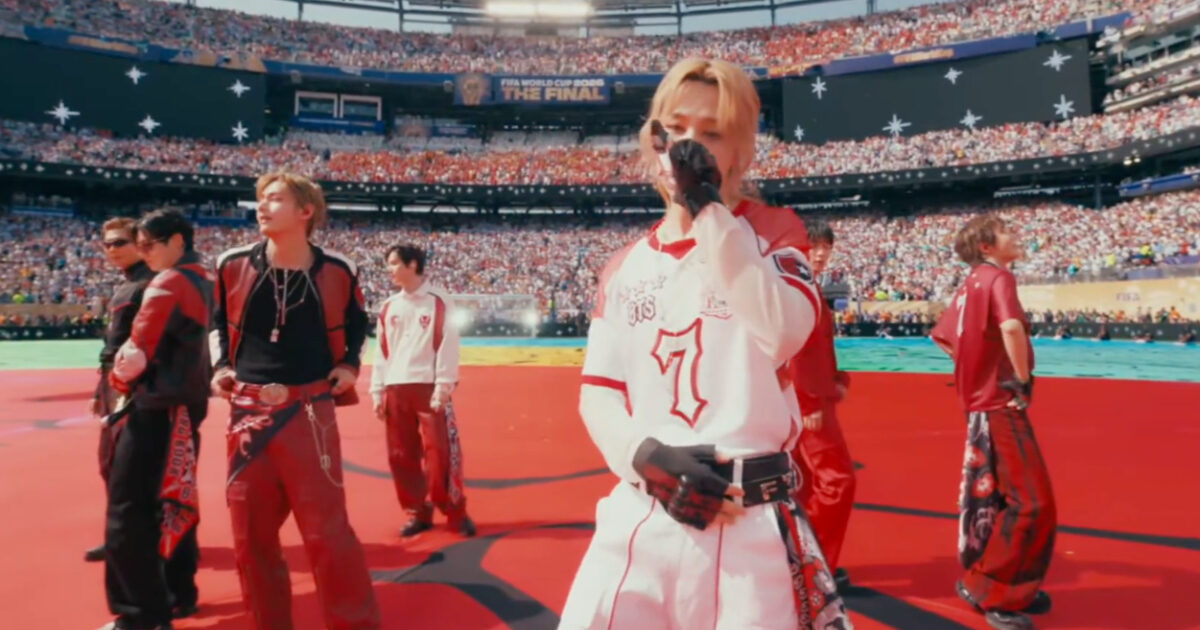
By July 22, the BBC’s live coverage had included commentary noting that the vocals seemed "hit or miss," particularly during the more dance-heavy segments of the set. This opened the door for more aggressive critiques. Later that day, Megyn Kelly’s podcast clip began circulating, garnering millions of views within hours. The clip acted as a catalyst, polarizing the internet into two distinct camps: those who felt the criticism was a necessary observation of a lackluster performance, and those who viewed it as an unfair attack on a group that has consistently delivered high-quality content for over a decade.
By July 23, the debate had evolved to include discussions of "fanwars" and the history of Western media’s treatment of Asian artists. The discourse was further complicated by the resurfacing of Kelly’s previous comments on other K-pop figures, such as Lisa of BLACKPINK, leading to accusations of inconsistency and bias among various fandoms.
Technical Analysis and Industry Context
To understand the weight of the criticism, it is essential to analyze the technical realities of stadium performances. The 2026 FIFA World Cup venues, designed primarily for athletics, present significant acoustic challenges. In such environments, artists often utilize "backing tracks" or "LRVs" (Live Radio Vocals) to ensure that the sound remains consistent for the broadcast audience, even as they engage in strenuous physical choreography.
Industry experts note that what Kelly described as "lip-syncing" is a common practice in modern pop, especially during high-stakes televised events where a technical failure could be catastrophic. However, the criticism of the "dancing" and "energy" is more subjective. BTS has built a reputation on "knife-like" choreography—a term used to describe perfectly synchronized, high-energy movements. If the group appeared "tired" or "phoned in," it represents a departure from the brand identity that propelled them to global stardom.
Furthermore, the context of 2026 is vital. This period marked a significant transition for BTS as they navigated their full-group activities following their hiatus for South Korean military service. The transition from military life back to the peak of the global entertainment industry is a feat few have attempted on this scale. The "tired" appearance noted by Kelly may be a reflection of the intense physical and mental toll of re-establishing their position as the world’s leading pop act while under the relentless scrutiny of the global lens.
Public Reaction and Fandom Dynamics
The reaction to Kelly’s podcast has been nothing short of explosive. Within the K-pop community, the response was divided along lines of loyalty and objective critique. Some fans expressed deep embarrassment, agreeing that the performance did not live up to the group’s previous standards. One viral post on X stated, "Fanwars aside, this gotta be one of the most embarrassing shit ever," while another critic claimed that the performance "embarrassed the K-pop image" by failing to survive a mere three-minute set.
Conversely, a large segment of the fanbase rallied to defend the group, focusing their ire on Megyn Kelly’s history of controversial statements. These supporters argued that Kelly, a political commentator, lacked the musical expertise to provide a valid critique of a pop performance. They also pointed out the perceived hypocrisy of other fandoms who had previously praised Kelly for criticizing rival artists but were now condemning her for targeting BTS.

"I don’t like this woman but I find it ironic how BTS fans were hyping her up when she made remarks about Lisa before only to turn around and condemn her when she dragged their faves," noted one observer, highlighting the often-volatile nature of online fan interactions. This internal friction within the K-pop community added a layer of complexity to the situation, as the debate shifted from the quality of the music to the politics of fandom and "karma."
Broader Implications for the Music Industry
The fallout from the 2026 World Cup halftime show raises important questions about the future of global pop performances. As the barrier between Eastern and Western entertainment continues to dissolve, the standards of critique are becoming increasingly homogenized. BTS is no longer being graded on a curve as a "foreign act"; they are being measured against the greatest performers in history, such as Michael Jackson and Beyoncé.
This heightened scrutiny is a double-edged sword. On one hand, it validates BTS’s status as global peers to the biggest names in music history. On the other, it leaves no room for error. The "tired" narrative could potentially impact the group’s commercial ventures and tour expectations if it persists. If the general public perceives that a group has passed its physical prime or lost its "hunger," it can lead to a cooling of the brand.
Additionally, the incident highlights the role of political commentators in pop culture discourse. In an era of fragmented media, figures like Megyn Kelly often cross over into entertainment to engage with broader cultural trends. This intersection can lead to "rage-baiting" or genuine cultural clashes, where the nuances of a specific industry—like the rigorous training and performance standards of K-pop—are lost in favor of provocative soundbites.
Conclusion
As of late July 2026, neither HYBE (BTS’s management agency) nor FIFA has issued an official statement regarding the criticism of the halftime show. In the past, the group has often addressed criticism through their music or subsequent performances, choosing to let their work speak for itself. Whether BTS will use this moment as fuel for their upcoming world tour or if this marks a permanent shift in their public perception remains to be seen.
The debate sparked by Megyn Kelly’s podcast serves as a reminder of the immense pressure that comes with being a "global ambassador." For BTS, the 2026 World Cup was more than just a gig; it was a testament to their enduring relevance. While the performance may have hit a discordant note for some, the sheer volume of the discourse proves that, for better or worse, BTS remains at the very center of the global cultural conversation. The coming months will be crucial as the group seeks to reclaim the narrative and demonstrate that their best days on the stage are not behind them.