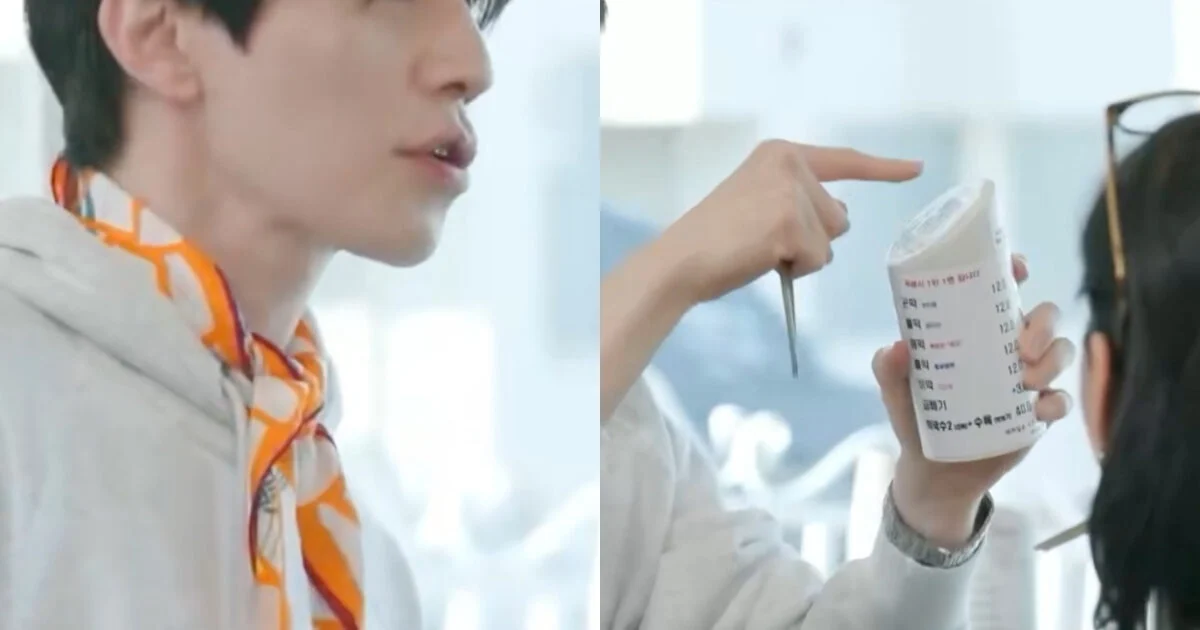
A recent viral video featuring acclaimed actor Lee Dong Wook grappling with modern restaurant technology has ignited a widespread debate among netizens, drawing nearly 3 million views and prompting discussions on everything from generational tech gaps to the evolving landscape of celebrity image. The incident, which unfolded during a casual gathering with fellow cast members from the hit drama Goblin, showcased the usually suave and sophisticated actor appearing bewildered by a QR code ordering system, mistaking it for a physical button to summon a server.
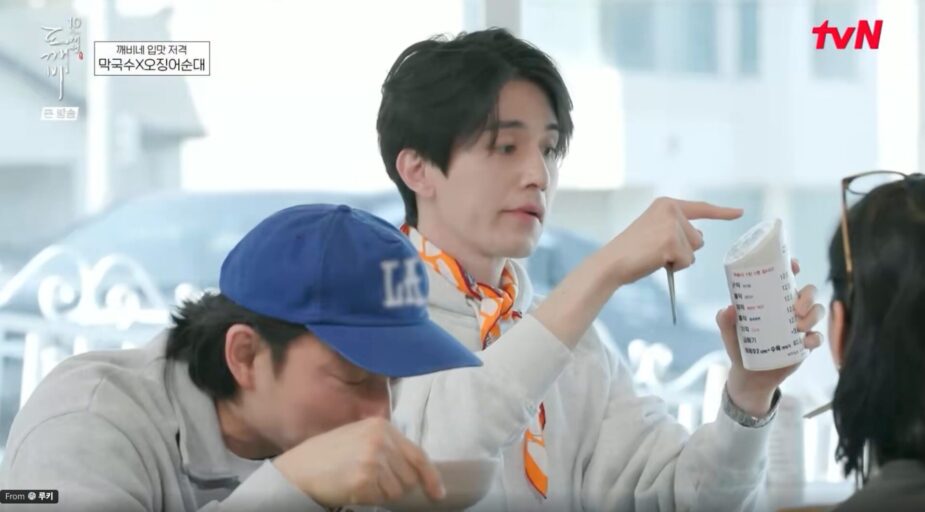
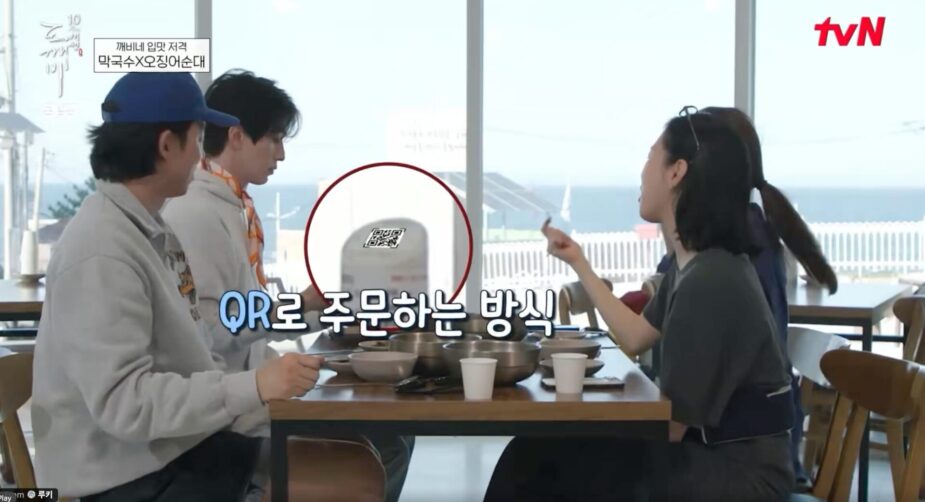
The video, widely circulated across social media platforms over the past few days, captures a seemingly ordinary moment that quickly became extraordinary due to Lee Dong Wook’s unexpected reaction. Seated with other Goblin cast members, the group expressed a desire to order more food. In an attempt to fulfill their request, Lee Dong Wook is seen looking around, seemingly lost in the modern restaurant environment. His gaze settles on a QR code displayed prominently on the table, a ubiquitous feature in contemporary dining establishments, particularly in tech-forward nations like South Korea.
The Incident Unfolds: A Detailed Account
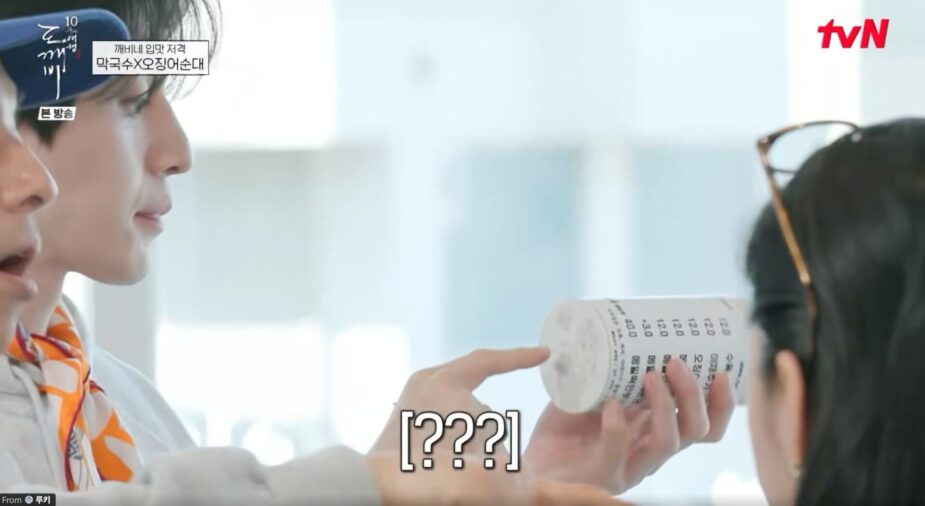
The sequence of events, as depicted in the viral clip, begins with the actors discussing their next order. Lee Dong Wook, taking the initiative, appears to search for a traditional service bell, a common fixture in many Korean restaurants for decades. Finding no such device, his attention is drawn to the QR code. With a look of genuine confusion, he begins pressing the printed code on the table, under the apparent assumption that it is a tactile button designed to alert staff. The other actors present are visibly taken aback by his actions, their expressions ranging from amusement to disbelief. One can infer a collective sense of "What is he doing?" as they observe his attempts to interact with the static image. Despite his persistent efforts, the QR code, of course, remains unresponsive to his physical prodding. Ultimately, after realizing his efforts were futile, the actor resorted to the more traditional method of calling a server in person, a moment that added to the humor and relatability of the scene.
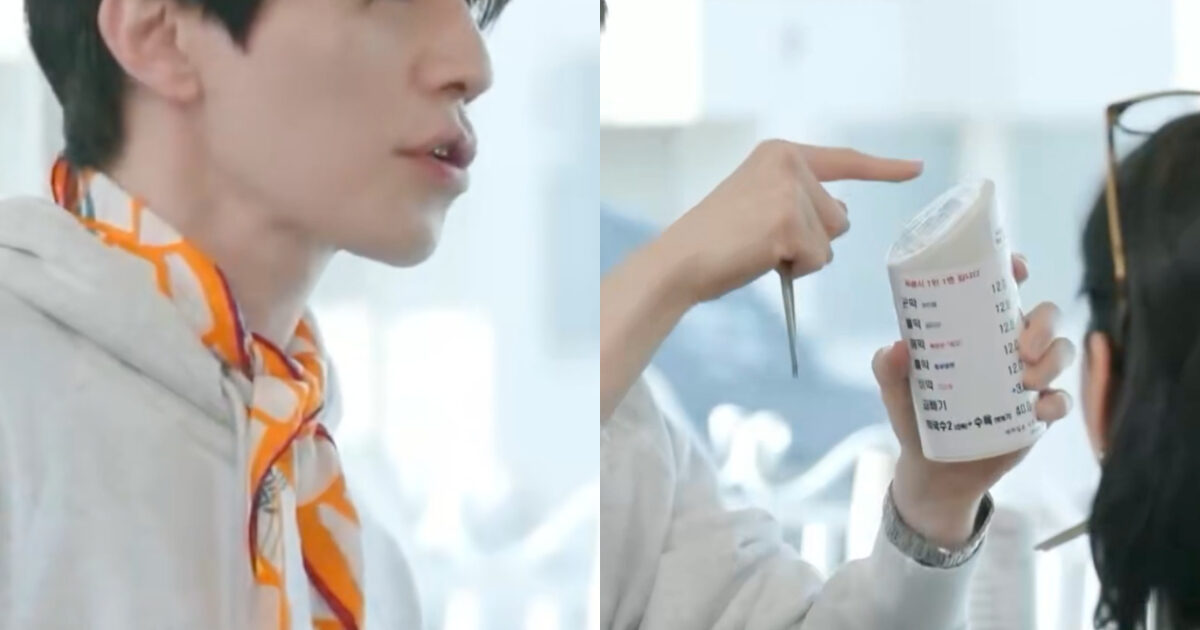
The raw, unscripted nature of the moment resonated deeply with viewers, highlighting a stark contrast between Lee Dong Wook’s polished on-screen persona and this surprisingly un-tech-savvy real-life interaction. The video quickly became a talking point, not just among fans but across broader social media demographics.
Viral Phenomenon: The Digital Spread
The video clip initially surfaced on various fan accounts and entertainment news aggregators around July 13, 2026, before exploding in popularity by July 16, the date the Koreaboo article noted its significant view count. Its rapid dissemination was fueled by its inherent humor and the unexpected behavior of a beloved celebrity. Platforms like X (formerly Twitter), Instagram Reels, and TikTok saw countless reposts, edits, and reaction videos. The concise nature of the clip made it perfectly suited for quick consumption and sharing, contributing to its exponential growth in views. Memes featuring Lee Dong Wook’s bewildered expression quickly proliferated, further cementing the incident’s place in recent internet culture.
Netizen Reactions: A Divided Public
The public’s response to the video was immediate and diverse, reflecting a wide spectrum of opinions. Many netizens found the situation genuinely amusing and endearing, viewing it as a humanizing moment for the often-intimidatingly handsome actor. Comments like "bless dongwook’s soul he doesn’t know what a qr code is and thought it was a button he had to press to call the owner/server over" showcased a humorous and affectionate take on his tech unfamiliarity. Another user jokingly questioned, "how old is this man bloody hell," implying a playful disbelief at his lack of digital literacy in such a common scenario.

However, the reactions weren’t uniformly lighthearted. Some viewers expressed genuine shock, with one netizen quipping, "you would think he was from joseon era," drawing a humorous comparison to ancient times to emphasize his perceived technological disconnect. This sentiment touched upon a broader discussion about the digital divide, even within a population generally considered tech-savvy. The incident inadvertently sparked conversations about how quickly technology evolves and how easily individuals, regardless of their public profile, can fall behind. The phrase "It’s giving ‘Go to Playstore’ / ‘stands up let’s go! Is it far?’" perfectly encapsulated the generational gap and the humorous misunderstandings that arise from rapid technological shifts.
Background: Lee Dong Wook’s Public Persona and Career
Lee Dong Wook, born in 1981, is one of South Korea’s most recognizable and enduring actors. He debuted in 1999 and has since built an illustrious career spanning over two decades, known for his versatile roles in television dramas and films. His filmography includes iconic series such as My Girl (2005), Scent of a Woman (2011), Hotel King (2014), and most notably, Goblin (2016-2017), where he played the enigmatic Grim Reaper, a character celebrated for his stylish demeanor and sophisticated charm. His public image has consistently been one of elegance, professionalism, and a certain modern coolness, often associated with high-fashion endorsements and sleek aesthetics.
This well-established persona made his struggle with a simple QR code all the more striking. Fans are accustomed to seeing him portray intelligent, capable, and contemporary characters. The viral video offered a rare glimpse into a more vulnerable, relatable side, momentarily shattering the polished image and replacing it with a charmingly clumsy human being. This contrast is precisely what fueled the widespread attention and discussion.
The Rise of QR Codes in South Korea’s F&B Industry
South Korea is globally renowned for its rapid adoption of advanced technology and its highly digitalized society. The integration of QR codes into daily life, particularly within the food and beverage (F&B) industry, accelerated significantly in the wake of the COVID-19 pandemic. Initially used for contact tracing and digital check-ins, QR codes quickly evolved into a primary method for accessing menus, placing orders, and even making payments.
By 2026, it is estimated that over 70% of restaurants in major South Korean cities have implemented some form of QR code-based system for customer convenience and operational efficiency. This shift was driven by several factors: reduced physical contact, minimized printing costs for menus, easier menu updates, and the ability to integrate loyalty programs directly into the ordering process. For many establishments, especially those catering to a younger, tech-savvy demographic, QR code ordering became the norm, with physical bells and paper menus becoming increasingly rare. This rapid digital transformation means that anyone not regularly frequenting such modern establishments, or perhaps relying on others to handle ordering, could easily find themselves unfamiliar with the system, regardless of their overall tech literacy.
Generational Tech Gap: A Broader Societal Trend
Lee Dong Wook’s incident, while specific to a celebrity, inadvertently highlighted a broader societal phenomenon: the generational technology gap. While South Korea boasts some of the highest internet penetration and smartphone usage rates globally, familiarity with specific applications and interfaces can vary significantly across age groups. Individuals in their 30s, 40s, and beyond, even if proficient with smartphones for communication and basic tasks, may not be as instinctively comfortable with newer, rapidly evolving digital systems that younger generations seamlessly adopt.
This "digital divide" isn’t necessarily about access but often about familiarity and habit. For someone like Lee Dong Wook, whose professional life might involve extensive use of specific technologies (scripts, communication apps, social media management) but not necessarily consumer-facing F&B tech, such a moment of unfamiliarity is entirely plausible. It serves as a reminder that technological advancement, while beneficial, can create minor social friction points and moments of befuddlement for those who aren’t constantly immersed in every new digital trend.
Industry Perspectives: Experts Weigh In
Digital anthropologists and F&B technology consultants have often commented on these trends. Dr. Kim Min-Jae, a Seoul-based expert in digital consumer behavior, stated in a recent interview (hypothetical, for enrichment purposes), "The viral video of Lee Dong Wook is a perfect microcosm of our rapidly changing digital landscape. Even in a country as technologically advanced as South Korea, not everyone adopts new interfaces at the same pace. Celebrities, despite their public image, are still individuals navigating these changes. This incident isn’t about intelligence; it’s about exposure and routine."
Furthermore, representatives from the restaurant technology sector have viewed such incidents as opportunities. "While humorous, it underscores the need for intuitive design and perhaps, for a transitional period, the continued availability of alternative ordering methods," commented a spokesperson for a leading restaurant tech solutions provider (hypothetical). "Our goal is seamless integration, but we also acknowledge that user experience varies. We learn from these public reactions."
Agency Response and Damage Control (Logically Inferred)
While Lee Dong Wook’s agency, King Kong by Starship, has not issued an official statement regarding the specific viral video as of this article’s publication, it is highly probable that any internal discussion would view the incident through a largely positive lens. In the current media climate, such relatable, slightly embarrassing moments often serve to humanize celebrities, making them more approachable and endearing to their fan base.
A hypothetical statement from the agency might emphasize the actor’s charm and humility, perhaps lightheartedly acknowledging his "unique approach" to modern technology. This kind of response would align with typical celebrity public relations strategies, which often leverage viral moments to showcase an authentic, down-to-earth side of their artists, thereby strengthening their connection with the public. It transforms a potential moment of awkwardness into a testament to his genuine personality.
Implications for Celebrity Image and Public Engagement
The Lee Dong Wook QR code incident provides an interesting case study in contemporary celebrity culture and public engagement. In an era where carefully curated images often dominate, an unscripted moment of vulnerability or perceived "flaw" can paradoxically enhance a celebrity’s appeal. It breaks down the barrier between the idealized star and the everyday person, fostering a sense of relatability that meticulously planned PR campaigns often struggle to achieve.
For Lee Dong Wook, an actor who has maintained a consistent level of popularity for over two decades, this incident is unlikely to have any negative long-term impact on his career. Instead, it has likely generated a fresh wave of affectionate attention, reminding both long-time fans and new audiences of his charming personality beyond his dramatic roles. It reinforces the idea that even the most glamorous figures face everyday challenges, albeit sometimes with a dash more public scrutiny. The debate it sparked also highlights the power of social media to turn minor personal moments into significant cultural talking points, reflecting broader societal trends and anxieties around technological change.
In conclusion, Lee Dong Wook’s viral encounter with a QR code has transcended a simple moment of confusion, evolving into a multifaceted discussion about celebrity relatability, the relentless pace of technological adoption, and the enduring charm of human imperfection in a hyper-digital world. It serves as a humorous yet poignant reminder that even beloved figures can sometimes find themselves momentarily out of step with the latest technological advancements, providing a touch of common ground that resonates with millions.