Popular Idol’s Agency CEO’s Now-Deleted Instagram Story Sparks Backlash
Article Editorial Team
The CEO of GRIFFIN Entertainment, the agency representing SHINee’s Onew, recently became the subject of widespread online discussion after posting and swiftly deleting an Instagram story that addressed ongoing fan conflicts and legal action. The incident, which unfolded on June 5, 2026, coincided with a significant group concert, drawing a sharply divided response from the K-Pop fandom and raising questions about agency communication strategies in the digital age.
The Incident: A Digital Misstep
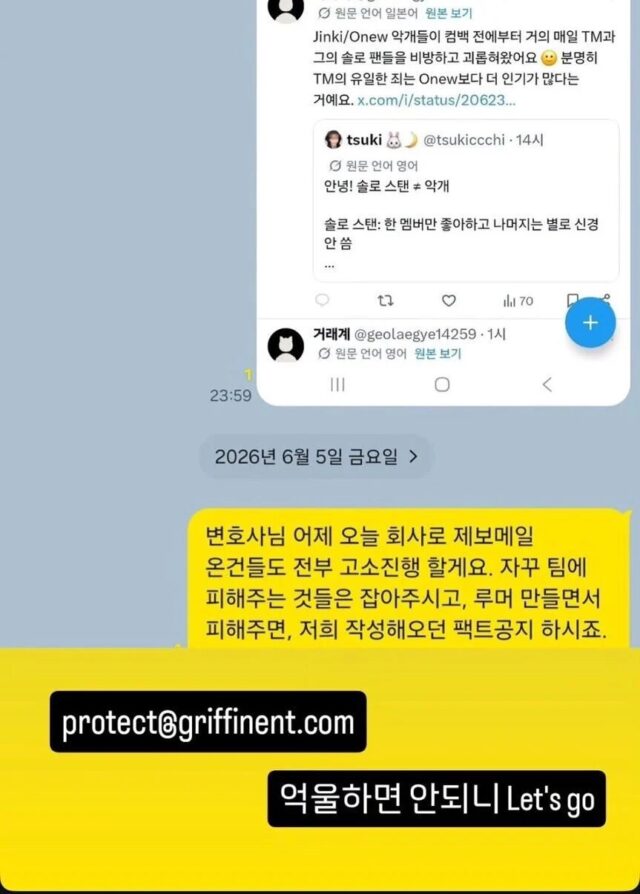
The controversial Instagram story featured a screenshot of a KakaoTalk message, revealing a private conversation about legal proceedings against malicious commenters. Within this screenshot, two distinct X (formerly Twitter) posts were visible, forming the crux of the controversy. The first X post, quoted in the KakaoTalk, stated, "Malicious Onew fans have continued to bash Taemin and his fans since before the comeback. The only sin Taemin has is being more popular than Onew." This post directly highlighted an internal fan conflict, specifically targeting a subset of Onew’s fanbase for allegedly criticizing fellow SHINee member Taemin.
The second X post, referenced by the CEO in the KakaoTalk, read: "Hello! Solo stan does not equal malicious fans. Solo stans mean they like one member and don’t really care much about the others." This statement attempted to differentiate between fans who solely support one member ("solo stans") and those who engage in harmful behavior.
The CEO’s own message within the KakaoTalk conversation, addressed to an "Attorney," indicated a clear intent for legal action: "Attorney, I will proceed with legal action for all the tip-off emails received yesterday and today. Please continue catching those who harm the team, and if they cause damage by making rumors, just go ahead and post the fact notice we have been preparing." The Instagram story was captioned by the CEO with a defiant, "We shouldn’t feel wronged, so let’s go." The post was deleted shortly after it was uploaded, but not before screenshots were widely circulated across various online platforms, igniting a fervent debate among fans.
Chronology of Events and Immediate Fallout
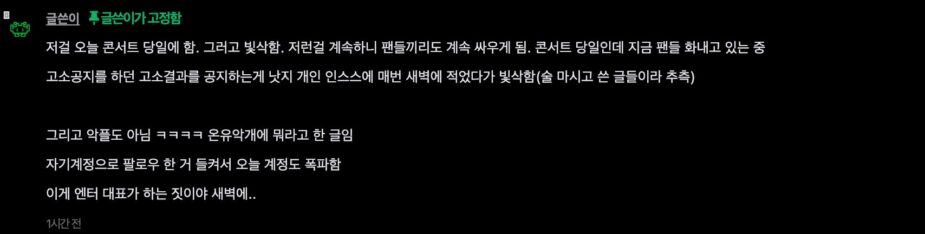
The incident gained particular traction due to its timing. The Instagram story was posted on June 5, 2026, the very day a significant SHINee group concert was scheduled. This juxtaposition of internal fan conflict and a celebratory group event immediately fueled criticism. Fans expressed dismay that such a sensitive issue was brought to light via a personal social media account, and then retracted, rather than through a formal, public statement from the agency.

The rapid deletion of the post suggested an acknowledgment of its ill-advised nature, yet the damage to public perception was already done. The immediate aftermath saw a surge in online discussions, with screenshots of the CEO’s post dominating K-Pop news aggregators and fan forums. The divided response solidified quickly, with one faction condemning the agency’s CEO for perceived unprofessionalism and exacerbating fan tensions, while another defended the intention to protect artists from malicious attacks.
Adding to the controversy, some critics pointed out that the CEO was allegedly "caught following someone with their own account" related to the fan conflict before deleting the account entirely. This further fueled accusations of amateurish conduct and a blurring of professional boundaries by a high-ranking agency official.
Background: SHINee, Onew, and the K-Pop Fandom Landscape
SHINee, a group formed by SM Entertainment in 2008, holds an iconic status in the K-Pop industry as a second-generation powerhouse. Known for their experimental music, intricate choreography, and consistent artistry, they have maintained a dedicated global fanbase for over a decade. The group currently consists of Onew, Key, Minho, and Taemin, following the passing of Jonghyun in 2017.

Onew, the leader and main vocalist, is celebrated for his distinctive vocal tone and warm stage presence. He has successfully pursued a solo career alongside his group activities, releasing albums and participating in musicals. Taemin, the group’s maknae (youngest member) and main dancer, is renowned for his groundbreaking solo artistry, pushing boundaries with his conceptual music and captivating performances. Both members have strong individual fanbases, a common phenomenon in long-standing K-Pop groups.
The dynamics between individual member fanbases, often referred to as "solo stans," can be complex. While many solo stans support their preferred member without animosity towards others, a subset can engage in "fan wars" or "malicious activities," which involve criticizing other group members, spreading rumors, or undermining their achievements. These internal conflicts are a persistent challenge for K-Pop agencies, as they can fragment the overall fandom and negatively impact the group’s cohesion and public image.
GRIFFIN Entertainment, Onew’s current agency, is a newer entity. Onew’s departure from long-time agency SM Entertainment earlier in 2024 to join GRIFFIN Entertainment marked a significant shift in his career. This move placed a spotlight on GRIFFIN Entertainment, making its public actions, especially those involving its CEO, subject to intense scrutiny from fans and industry observers alike. The incident therefore also reflects on the new agency’s handling of its prominent artist and its engagement with the highly reactive K-Pop fan culture.
Divided Fan Reactions: Professionalism vs. Protection
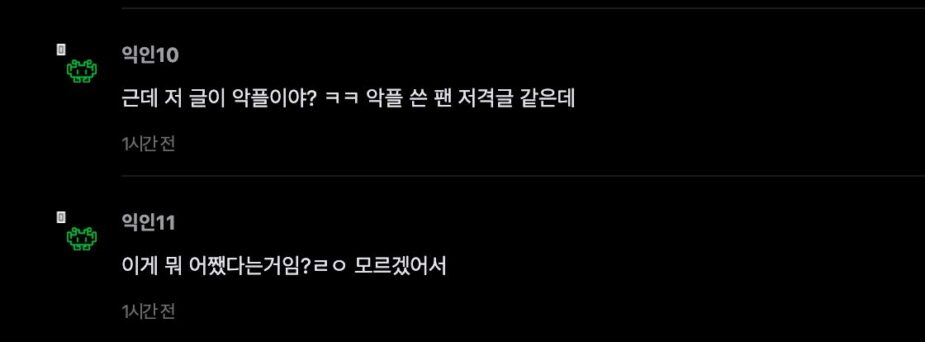
The fan community’s response to the CEO’s Instagram story was polarized. One significant segment of the fandom vehemently criticized the CEO’s actions, primarily citing the timing and method of communication. Critics argued that posting about sensitive legal matters and internal fan disputes on a personal Instagram story, especially on the day of a major group concert, was highly unprofessional. They felt it detracted from the celebratory atmosphere of the concert and unnecessarily amplified existing fan tensions.
A common sentiment among these critics was that an entertainment company CEO should adhere to formal communication channels for such serious announcements. They suggested that official legal notices or press releases, detailing the agency’s commitment to protecting its artists and the progress of lawsuits, would have been more appropriate and effective. The perceived impulsiveness of the post, followed by its swift deletion, led some to speculate about the CEO’s judgment, with one fan remarking, "It would’ve been better to announce the lawsuit results or issue a legal notice, rather than posting on their personal Instagram in the middle of the night and then deleting it. (It could possibly be that they posted it while drunk.)" Furthermore, some argued that the specific X post screenshotted was not necessarily "malicious" in its entirety, but rather a reaction to a "toxic Onew fan," implying a misjudgment on the CEO’s part regarding the target of the legal action.
Conversely, another faction of fans defended the CEO’s intentions, asserting that there was no issue with an agency head taking a firm stance against malicious commenters. These supporters argued that protecting artists from online harassment, regardless of the source, is a fundamental responsibility of an agency. They viewed the post as a direct message to those engaging in harmful behavior, signaling that such actions would not be tolerated. For these fans, the message of taking legal action superseded concerns about the timing or platform. They emphasized the chronic issue of online bullying and defamation faced by K-Pop idols, seeing the CEO’s move as a necessary measure to safeguard Onew and the group’s integrity. This perspective highlights the ongoing frustration within K-Pop fandoms regarding the prevalence of malicious comments and the perceived slow or insufficient action by agencies.
Legal Precedent and Agency Action in K-Pop
K-Pop agencies frequently announce legal action against malicious commenters, a standard practice in the industry to combat online defamation, harassment, and the spread of false rumors. Companies like SM Entertainment, JYP Entertainment, YG Entertainment, and HYBE Corporation regularly update fans on ongoing lawsuits, often releasing official statements detailing their "zero-tolerance policy" towards such behavior. These statements typically serve to deter potential offenders and reassure fans that their idols are protected.
South Korea has stringent defamation laws, which allow for both civil and criminal penalties for online slander and libel. Agencies meticulously collect evidence, often relying on fan tip-offs, to build cases against individuals who engage in malicious activities. The CEO’s KakaoTalk message, specifically mentioning "tip-off emails" and preparing a "fact notice," aligns with these established protocols. However, the unconventional method of communicating this intent via a personal, quickly deleted Instagram story deviated significantly from the industry norm of formal announcements.
Implications for Onew, GRIFFIN Entertainment, and the Fandom
The incident carries several implications. For Onew, while the intention may have been to protect him and the group, the controversy itself could inadvertently draw more attention to the internal fan conflicts, potentially overshadowing his artistic endeavors and the group’s concert. Idols often bear the brunt of fan wars, and any action that appears to validate or escalate these conflicts can be detrimental to their image and mental well-being.
For GRIFFIN Entertainment, this incident serves as an early and significant test of its public relations and crisis management capabilities. As a relatively new agency with a high-profile artist like Onew, establishing clear and professional communication protocols is crucial. The CEO’s personal social media activity becoming a source of controversy suggests a need for stricter internal guidelines regarding public statements and the distinction between personal and professional online presence. Effective management of such situations is vital for building trust with fans and maintaining a positive reputation within the competitive K-Pop industry.
The broader SHINee fandom is also impacted. While the group’s loyalty is strong, persistent internal conflicts, especially those highlighted by agency figures, can create deeper rifts. A healthy fandom thrives on unity and shared support for all members. Incidents like this risk alienating different fan segments and diverting attention from the group’s music and performances towards internal squabbles. It underscores the delicate balance agencies must strike between addressing genuine threats and inadvertently fueling fan divisions.
Broader Industry Context and Future Outlook
This event highlights a recurring challenge for K-Pop agencies: navigating the complex and often volatile landscape of digital fan culture. Social media platforms, while invaluable for artist-fan interaction and promotion, also serve as breeding grounds for misinformation, malicious commentary, and intense fan rivalries. Agencies are constantly grappling with how to effectively protect their artists without inadvertently escalating tensions or appearing to favor one fan group over another.
The incident underscores the need for clear, consistent, and professional communication from agency leadership. In an era where every digital footprint is scrutinized, the personal social media accounts of executives are no longer entirely separate from their professional roles. The K-Pop industry is moving towards greater transparency and accountability, and incidents like this serve as a reminder that even well-intentioned actions can have unintended negative consequences if not executed with strategic foresight and professional decorum.
As the K-Pop industry continues to grow globally, the sophistication of its public relations and artist management strategies will need to evolve. This includes not only legal protection for artists but also proactive measures to foster healthy fan environments and clear guidelines for all personnel engaging with the public. The backlash against GRIFFIN Entertainment’s CEO’s deleted Instagram story is a testament to the K-Pop fandom’s vigilance and its high expectations for professionalism from the figures managing their beloved idols. The long-term impact will depend on how the agency addresses these concerns and adapts its communication approach moving forward.
Related News