Roger, Bitch”? Korean Channel Issues Official Apology After Airing Nonsense Subtitles
Article Editorial Team
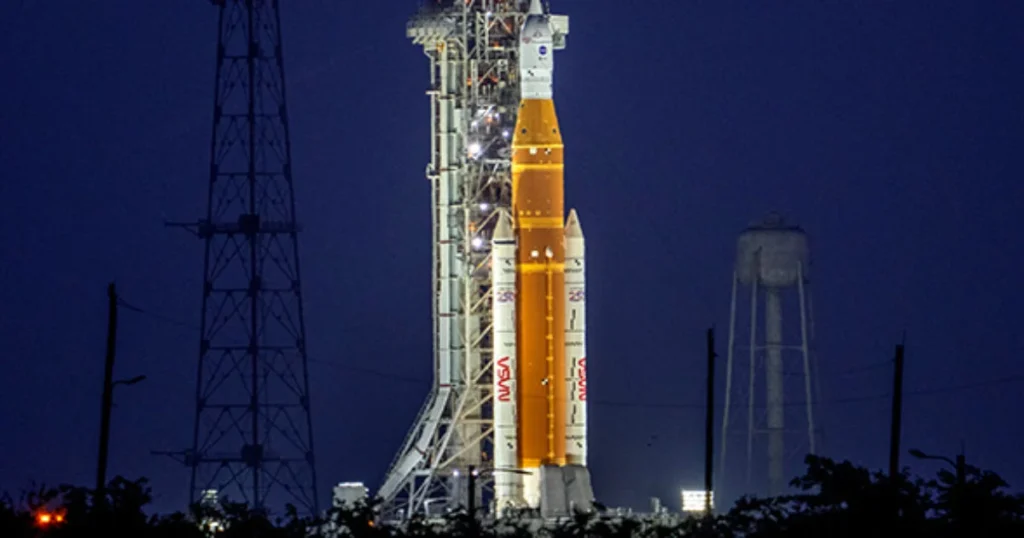
South Korea’s national public broadcaster, Korean Broadcasting System (KBS), has issued a formal apology following a significant subtitle error that introduced profanity into its live YouTube stream of the historic Artemis II launch. The incident, which occurred on April 2, 2026, Korean Standard Time (KST), saw an AI-powered auto-translation system misinterpret a critical aviation command, leading to widespread public astonishment and prompting a swift response from the channel.
The egregious error manifested during the live broadcast of the Artemis II mission’s communication from mission control. A standard phrase used in aviation and spaceflight, "Roger, roll, pitch," was incorrectly translated by the AI system as "Roger, roll, b*tch." This inappropriate and offensive language was then displayed prominently on screen, visible to a global audience following the monumental space event. The quick dissemination of screenshots and video clips across social media platforms and online communities underscored the immediate and far-reaching impact of the technical glitch.
The Critical Malfunction: AI’s Misinterpretation
The phrase "Roger, roll, pitch" is a fundamental piece of terminology in aeronautical and astronautical communication. "Roger" signifies that the preceding message has been received and understood. "Roll" refers to the rotational movement of an aircraft or spacecraft around its longitudinal axis, while "pitch" describes its rotation around the lateral axis, controlling the nose-up or nose-down attitude. Together, these terms indicate an acknowledgment of instructions and an adjustment of the vehicle’s orientation in three-dimensional space, crucial for navigation and trajectory correction during complex missions like a lunar launch.
The AI auto-translation system, likely trained on vast datasets of general language but lacking specialized context for technical jargon, apparently misinterpreted the phonetics of "pitch" for a phonetically similar but semantically distinct and highly offensive English slang term. This highlights a persistent challenge in the development and deployment of artificial intelligence for live, critical applications: the nuanced understanding of context, particularly when dealing with specialized vocabularies or ambiguous phonemes. While AI translation has made remarkable strides in recent years, this incident serves as a stark reminder of its current limitations, especially in high-stakes environments where precision is paramount. The error was not merely a mistranslation but a complete distortion of the intended message, transforming a professional command into an expletive.
Chronology of a High-Stakes Broadcast and a Viral Blunder
The sequence of events leading to and following the subtitle error unfolded rapidly, capturing public attention both domestically and internationally:
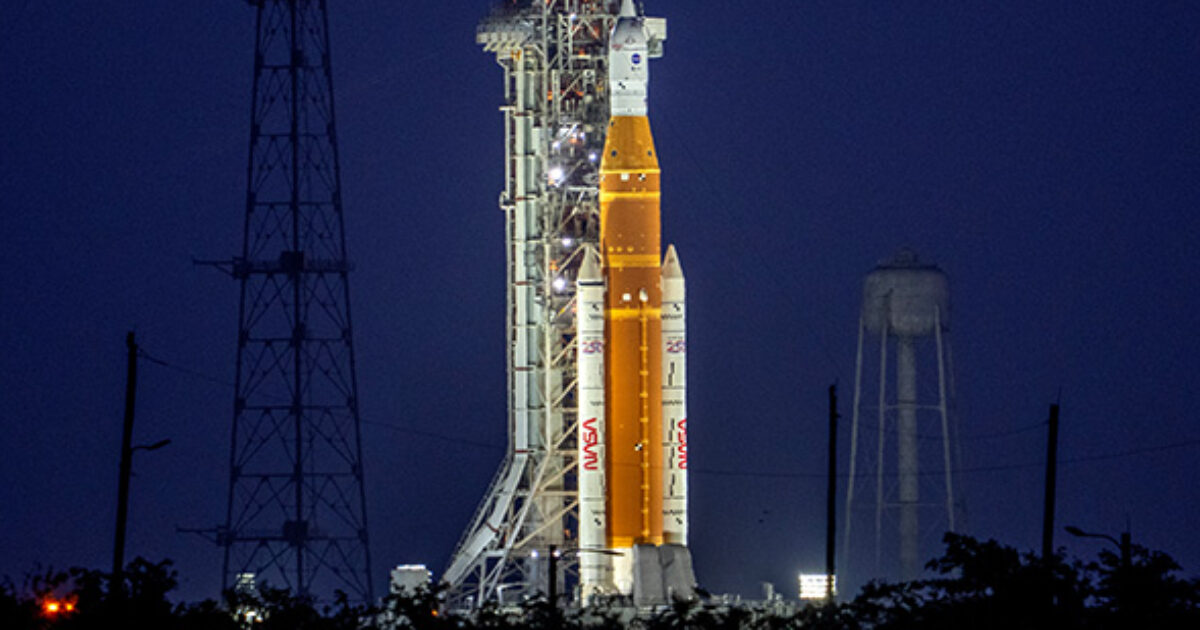
- April 1, 2026 (Eastern Time): The Artemis II mission successfully lifts off from the historic Launch Complex 39B at NASA’s Kennedy Space Center in Florida, USA. This launch marks a pivotal moment in space exploration, representing the first crewed lunar mission in approximately 53 years, since Apollo 17 in December 1972. The mission’s success captivated audiences worldwide, prompting extensive live coverage from news outlets and broadcasters.
- April 2, 2026 (KST): As part of its commitment to delivering significant global events to its audience, KBS begins its live YouTube stream of the ongoing Artemis II mission. The broadcast utilizes an AI-powered auto-translation system to provide real-time subtitles, catering to a wider international viewership and enhancing accessibility. During this broadcast, the critical error occurs, displaying "Roger, roll, b*tch" on screen instead of the correct "Roger, roll, pitch."
- Immediately During and Post-Broadcast: Viewers who caught the live mistake react with a mixture of shock, amusement, and criticism. Screenshots and video clips of the offending subtitle are swiftly captured and disseminated across various social media platforms, including X (formerly Twitter), Instagram, and popular Korean online communities. The incident rapidly goes viral, generating significant discussion and drawing widespread attention to the AI’s malfunction.
- Shortly After Identification: Upon becoming aware of the error and the subsequent public reaction, KBS takes immediate action. The broadcaster disables the rewind function on its YouTube live stream, preventing viewers from easily replaying the specific moment of the error, while also beginning internal investigations.
- Date of Apology (Implied Soon After the Incident): KBS publicly releases an official apology, acknowledging the AI auto-translation error and expressing regret for the inappropriate language broadcast to its viewers. The apology outlines the steps being taken to prevent future occurrences.
The Artemis II Mission: A Global Endeavor
The Artemis II mission itself is a cornerstone of NASA’s ambitious Artemis program, which aims to return humans to the Moon, establish a sustainable lunar presence, and ultimately prepare for human missions to Mars. Artemis II is specifically designed as a crewed flight test, orbiting the Moon and returning to Earth. Its primary objectives include:
- Testing the Orion Spacecraft: Verifying the performance of the Orion spacecraft’s critical systems with astronauts aboard in a deep-space environment.
- Evaluating Life Support Systems: Ensuring the life support systems can adequately sustain the crew for the duration of the 10-day mission.
- Maneuvering and Navigation: Practicing orbital maneuvers and precise navigation techniques required for future lunar landings.
- Crew Experience: Providing invaluable flight experience for the four-person crew, including the first woman and first person of color to travel to the Moon.
The mission’s global significance meant that broadcasters like KBS played a crucial role in bringing this scientific and human achievement to millions. As a national public broadcaster, KBS has a mandate to inform, educate, and entertain, making its coverage of such a landmark event particularly important for public engagement with science and technology. The incident, therefore, not only highlighted AI’s limitations but also the responsibility of broadcasters in accurately relaying information from such critical missions.
The Double-Edged Sword of AI in Broadcasting
The increasing integration of artificial intelligence into broadcasting workflows, particularly for live captioning and translation, has revolutionized accessibility and global reach. AI-powered systems offer numerous advantages:
- Real-time Capabilities: They can process and translate spoken language almost instantaneously, a feat impractical for human translators in many live scenarios.
- Cost-Effectiveness: Automating translation reduces the need for large teams of human translators, offering significant cost savings for broadcasters.
- Enhanced Accessibility: Providing immediate subtitles makes content accessible to hearing-impaired audiences and those who prefer to read along.
- Global Audience Engagement: Real-time translation allows broadcasters to cater to diverse linguistic audiences simultaneously, expanding their reach.
However, the KBS incident vividly illustrates the inherent challenges and risks associated with relying solely on AI, especially for content that is highly technical, sensitive, or requires nuanced cultural understanding. AI models, while powerful, operate based on patterns and probabilities derived from their training data. They often struggle with:

- Contextual Understanding: Distinguishing between homophones or phonetically similar words that have vastly different meanings depending on the context (e.g., "pitch" in baseball vs. "pitch" in aviation).
- Specialized Jargon: Technical terms, acronyms, and industry-specific language can often be outside the scope of general language models.
- Profanity Filtering: While AI can be programmed to filter profanity, the effectiveness of such filters depends on the model’s sophistication and the specific list of banned words/phrases. Errors can occur if a non-profane word is misidentified as an expletive, or vice-versa, as seen in this case.
- Lack of Human Intuition: AI lacks the human ability to infer meaning, understand sarcasm, or react to unexpected verbal cues that might indicate a mistranslation.
This event underscores the necessity of a robust human oversight layer when AI is deployed in public-facing, live environments where errors can have significant reputational and communicative consequences.
KBS’s Official Response and Remedial Actions
Following the public outcry, KBS promptly released a detailed official apology, demonstrating its commitment to transparency and accountability. The statement read:
"We sincerely apologize for the AI automatic translation error that occurred during the YouTube livestream of the Artemis II launch on April 2, 2026. We deeply apologize to our viewers for the inappropriate language that resulted from a mistranslation. As soon as the issue was identified, we took immediate measures, including disabling the rewind function. We are currently in close discussions with relevant departments and external partners to prevent recurrence, and are exploring improvements such as strengthening AI profanity filtering."
This apology highlights several key aspects of KBS’s response:
- Direct Acknowledgment: Clearly stating the cause (AI automatic translation error) and the specific event (Artemis II launch livestream).
- Sincere Regret: Expressing deep apology for the "inappropriate language" and its impact on viewers.
- Immediate Corrective Actions: Detailing the disabling of the rewind function as a quick measure to limit further exposure to the error.
- Future Prevention Strategies: Committing to internal and external collaborations to prevent recurrence, specifically mentioning "strengthening AI profanity filtering" and exploring broader improvements. This suggests a multi-faceted approach involving both technological enhancements and process reviews.
While YouTube, as the platform host, did not issue a separate statement regarding the AI auto-translation, it is generally understood that such systems are continuously updated and refined based on user feedback and identified errors. NASA, as the mission operator, remained focused on the successful execution of the Artemis II mission and did not comment on the broadcasting error, as it was external to their operations.
Public Reaction and Broader Implications
The incident sparked a broad spectrum of reactions from the Korean public and international observers. Many found humor in the unexpected profanity, leading to viral memes and lighthearted discussions online. Others expressed concern over the quality control of a national broadcaster, questioning the reliability of AI for such critical live events. Some criticized KBS for not having sufficient human oversight, arguing that a final human check could have prevented the blunder.
Beyond the immediate reactions, the KBS subtitle error carries several significant implications for the broadcasting industry, AI development, and public trust:
- The Imperative for Human Oversight: The incident serves as a powerful case study for the continued necessity of human intervention and oversight in AI-driven processes, particularly when accuracy and public perception are critical. A hybrid model, where AI provides the initial translation and human editors perform real-time quality control, may become the industry standard for high-stakes live broadcasts.
- Advancing AI Robustness: For AI developers, this event underscores the need for more sophisticated contextual understanding in language models. Future iterations of AI translation systems must be better equipped to handle specialized vocabularies, distinguish between homophones based on surrounding dialogue, and possess more robust, context-aware profanity filtering mechanisms.
- Broadcasting Standards and Accountability: National broadcasters like KBS are held to high standards of professionalism and decorum. Errors like this, while accidental, can erode public trust. The incident highlights the importance of rigorous testing and deployment protocols for new technologies in public-facing media.
- The Viral Nature of Digital Errors: In the age of instant sharing and global connectivity, a single error can go viral within minutes, reaching millions and shaping public perception. This amplifies the need for vigilance and rapid response strategies from broadcasters and content providers.
- Balancing Innovation and Risk: The drive to leverage cutting-edge AI for efficiency and reach must be balanced with a thorough assessment of potential risks. As AI becomes more ubiquitous, organizations must develop comprehensive risk management frameworks to mitigate unintended consequences.
Conclusion
The "Roger, Bitch" subtitle error during KBS’s live coverage of the Artemis II launch is more than just a humorous anecdote; it is a significant learning moment for the intersection of advanced technology and public communication. While the Artemis II mission continues its vital journey around the Moon, testing the boundaries of human spaceflight, the incident back on Earth serves as a stark reminder of the current limitations of artificial intelligence, particularly its challenges in understanding complex human language with all its nuances, contexts, and potential for misinterpretation.
KBS’s swift apology and commitment to strengthening its AI systems are commendable steps towards addressing the issue. As broadcasters and technology developers continue to push the boundaries of AI integration, the incident underscores an enduring truth: while AI can augment human capabilities and expand reach, the ultimate responsibility for accuracy, appropriateness, and maintaining public trust still rests firmly with human oversight and ethical technological deployment. The future of live broadcasting with AI will undoubtedly involve a more sophisticated hybrid approach, combining the speed and efficiency of machines with the irreplaceable judgment and contextual understanding of human intelligence.
Related News