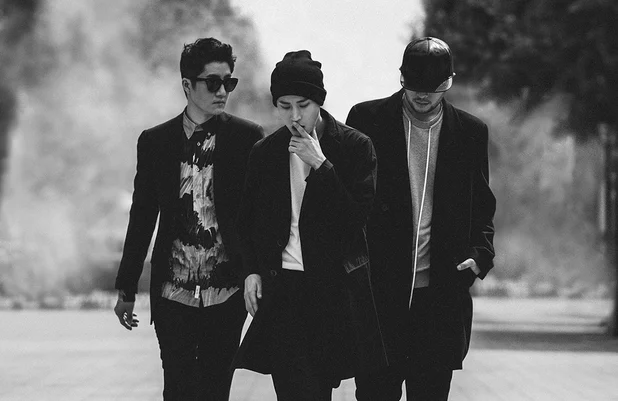
The discussion highlights a critical dichotomy: while K-pop idols frequently cite Black artists as their primary inspirations, the industry at large often struggles with cultural sensitivity, resulting in instances of blackface, the use of racial slurs, and the appropriation of sacred or politically charged symbols. For many Black fans, the enjoyment of the music is inextricably linked to a demand for respect and historical literacy from the artists and agencies they support.
The Kanye West Defense and the Problem of Cultural Tokens
One of the most recurring points of contention within the K-pop fandom is the use of "tokenism" to defend problematic behavior. Cjontai noted a persistent trend where fans use the actions of specific Black celebrities, most notably Kanye West, to shield K-pop idols from criticism. A prominent example involves the appearance of the Confederate flag in K-pop fashion and music videos. When international fans raise concerns about the flag’s association with white supremacy and slavery in the United States, defenders often point to Kanye West’s 2013 "Yeezus" tour merchandise, which featured the flag as a provocative, subversive statement.
However, the roundtable participants argued that West’s status as a provocateur does not grant a "blanket license" for the global entertainment industry to use hate symbols as mere fashion statements. The participants emphasized that cultural ignorance, while common, is not an excuse for the refusal to engage in research, especially as K-pop seeks to dominate the U.S. market. The lack of a required curriculum on U.S. history in South Korean schools explains the initial ignorance, but it does not justify the subsequent dismissal of Black fans’ grievances when they attempt to educate the community.

Cultural Appropriation vs. Genuine Appreciation
The distinction between appropriation and appreciation remains a central theme in the discourse surrounding Hallyu (the Korean Wave). Camiele defined appropriation as the act of using another group’s culture as a "costume" while asserting a right to use that culture without acknowledging its history or the struggles of its originators. This is often seen in the "hip-hop concepts" adopted by many rookie and established idol groups.
In 2015, releases such as 4Minute’s "Crazy" and Keith Ape’s "It G Ma" sparked intense debate. Critics argued that these projects often leaned into "tough" or "rebellious" stereotypes associated with Black urban culture to project an image of "authenticity" or "edginess." The roundtable participants contrasted these "trendy gimmicks" with artists who show genuine appreciation. BTS’s Rap Monster (now RM) was cited as a positive example for his habit of recommending music by artists like D’Angelo, Prince, and India Arie, thereby encouraging fans to explore the roots of the music they enjoy.

Furthermore, the influence of Michael Jackson is cited as a cornerstone of K-pop performance. From Taemin of SHINee to Niel of Teen Top, the homage to Jackson’s choreography and vocal style is viewed as a form of appreciation because it acknowledges the source material’s excellence rather than reducing it to a caricature.
The Knowledge Gap in Korean Hip-Hop
A significant portion of the roundtable focused on the evolution of hip-hop within the South Korean music scene. While the genre has become a dominant force, the participants expressed concern that many modern idols lack a fundamental understanding of hip-hop’s history, including its origins as a tool for social commentary and its African roots.

Camiele pointed out that many idols base their understanding of hip-hop on what is currently popular in the mainstream, leading to a watered-down version of the culture. She contrasted this with "old school" Korean legends like Tiger JK, Tasha (Yoon Mi-rae), and Dynamic Duo. These artists are seen as having a deeper connection to the genre because they stayed true to their own identities while mastering the craft, rather than putting on a "hip-hop costume."
The participants suggested that for K-pop to be taken seriously as a global hip-hop vehicle, its practitioners must move beyond the surface-level aesthetics—such as braids, grills, and specific slang—and engage with the genre’s technical and historical complexities.
Chronology of Contentious Incidents and Agency Responses
The history of K-pop is marked by several high-profile incidents that have alienated Black fans. These events often follow a similar pattern: an offensive action occurs, international fans voice their hurt, and the reaction from the domestic Korean public or the artists’ agencies varies.
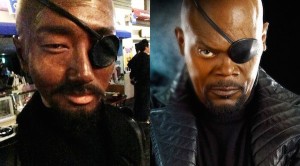
- Blackface Incidents: Over the years, several idols, including Yesung of Super Junior, have been criticized for wearing dark makeup to "impersonate" Black celebrities. This practice, rooted in the racist minstrel shows of the 19th century, is particularly painful for Black fans.
- The Use of Slurs: Rapper San E and Zico of Block B have faced backlash for using the "N-word" or other racial slurs in their lyrics. San E’s defense of his actions as a response to not being accepted as an Asian rapper was described by Taylore as "complicated" and ultimately off-putting.
- Agency Accountability: The roundtable highlighted that some agencies are becoming more responsive. Seven Seasons, the agency for Block B, has been known to respond to fans who reach out to educate them on why certain behaviors are offensive. This suggests a growing awareness that maintaining a global fanbase requires a degree of cultural diplomacy.
The Erasure of the Black Fan Experience
Beyond the actions of the idols themselves, the roundtable addressed the isolation felt by Black fans within the broader fandom. Taylore noted that fan-generated content, such as "reader-insert" fanfiction, often assumes a default physical appearance (usually white or East Asian) that excludes Black features. Simple descriptions, such as a character "running their hands through the protagonist’s hair," can be alienating for fans with afro-textured hair, serving as a constant reminder that they are not the "intended audience" for the idol-fan fantasy.

This lack of representation extends to the "lovey-dovey illusion" marketed by the industry. Camiele noted that Black women, in particular, are often subjected to societal narratives that deem their skin "unpleasant" or "exotic," rather than traditionally beautiful. This makes the parasocial relationship between fan and idol feel even more distant for Black fans, who rarely see themselves represented as romantic interests in K-pop media.
The Economic Debt to Black Culture
The roundtable participants concluded that the K-pop industry owes its current global success to Black musical innovation. Genres that define the "K-pop sound"—such as New Jack Swing, R&B, and modern Trap—were pioneered by Black artists. Without these influences, the participants argued, K-pop would likely be limited to "trot music and EDM," and global hits from groups like EXO, Big Bang, and B.A.P. would not exist in their current forms.

The participants called for a shift in the power dynamic. Instead of Black fans being told to "let it slide" or "get over it," they argued that the industry and other fans must offer "respect" as a form of currency. Respecting the roots of the music means acknowledging that Black fans are a vital part of the global market and that their feelings regarding the commodification of their culture are valid.
Broader Impact and the Path Toward Inclusion
As South Korea continues to export its culture as a form of "soft power," the need for cultural literacy becomes a matter of professional necessity rather than just social justice. The roundtable participants expressed a desire for a more "kaleidoscopic" music industry where voices from all cultures are heard and respected.
While the discussion was rooted in the frustrations of the Black fan experience, it also highlighted the positive aspects of the Hallyu wave. Many fans, including Cjontai, have used K-pop as a gateway to learning a new language, trying new foods, and forming international friendships. They emphasized that their criticism does not stem from a desire to "bully" idols, but from a hope that the industry will grow alongside its audience.
The ultimate takeaway for the K-pop industry is clear: as it continues to take inspiration from Black entertainers, it must also take responsibility for the impact its portrayals have on a global scale. In an era where information is instantaneous, the "we didn’t know" defense is increasingly obsolete. For Black fans, the goal is not to stop the cross-cultural exchange, but to ensure that the exchange is rooted in equity, education, and genuine human respect.