Salmokji: Whispering Water Dominates Korean Box Office, Surpassing One Million Viewers in Record Time and Securing International Release.
Article Editorial Team
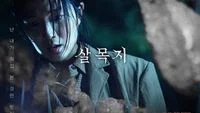
The South Korean horror film, Salmokji: Whispering Water, has made an undeniable splash in its domestic market, achieving phenomenal box office success since its premiere on April 8, 2026. The chilling narrative, set against the eerie backdrop of a secluded reservoir, quickly captivated audiences, propelling the film to the number one spot at the Korean box office for nine consecutive days. This impressive streak culminated on Friday, April 17, when the Korean Film Council (KOFIC) officially announced that Salmokji: Whispering Water had surpassed the significant milestone of one million admissions, achieving this feat in a mere nine days since its theatrical release. This rapid ascent solidifies its position as the fastest horror film to reach the one-million-viewer mark since the critically acclaimed Metamorphosis in 2019, signalling a robust resurgence for the genre in the Korean cinematic landscape. The film’s domestic triumph is now set to expand internationally, with major cinema chains in Indonesia confirming its impending release, indicating a broader global appeal for its unique brand of psychological and supernatural terror.
A Chronology of Unprecedented Success
Salmokji: Whispering Water commenced its theatrical run on Wednesday, April 8, 2026, immediately capturing a dominant share of the market. On its opening day, the film garnered an impressive initial viewership, immediately securing the top position, a strong indicator of pre-release buzz and effective marketing. This initial momentum was not merely sustained but amplified throughout the subsequent days. Industry analysts noted a consistent week-on-week growth in attendance, a rare phenomenon for many releases, particularly in the competitive spring season which typically sees a mix of local and international blockbusters vying for audience attention.
By its first weekend (April 10-12), Salmokji: Whispering Water had firmly established its dominance, maintaining the number one spot against new challengers and holdovers. Daily reports from KOFIC consistently placed the horror feature at the top, showcasing its ability to attract both genre enthusiasts and general audiences. The weekdays following the opening weekend also demonstrated remarkable resilience, with evening and matinee screenings often reporting near-capacity crowds, a testament to positive word-of-mouth and strong audience engagement. The rapid accumulation of viewers underscored a significant cultural resonance, as the film’s unsettling premise and masterful execution seemingly struck a chord with the Korean populace. The announcement on April 17 that the film had crossed the one-million-viewer threshold in just nine days cemented its status as a major cinematic event of 2026, marking it as a critical success story for Korean horror.
Contextualizing a Box Office Phenomenon
The achievement of Salmokji: Whispering Water is particularly noteworthy when viewed against the backdrop of the Korean film industry and the horror genre specifically. Reaching one million admissions is a significant benchmark for any South Korean film, often serving as a key indicator of commercial success and profitability. For a horror film, this milestone is even more challenging, as the genre typically caters to a more niche audience compared to broader appeal dramas, comedies, or action blockbusters.
The comparison to Metamorphosis (2019) is highly significant. Metamorphosis, a supernatural thriller, was lauded for its innovative storytelling and chilling atmosphere, eventually accumulating over 1.8 million admissions during its theatrical run. To surpass Metamorphosis‘s pace in reaching the one-million mark suggests that Salmokji: Whispering Water has tapped into a particularly potent vein of audience interest, possibly signaling evolving preferences within the horror demographic. Prior to the pandemic, achieving one million viewers for a horror film within two weeks was considered excellent; to do so in nine days in the post-2020 landscape, with potentially lingering shifts in viewing habits, speaks volumes about the film’s impact.
Furthermore, the success of Salmokji: Whispering Water comes at a time when the Korean film industry is continually seeking to innovate and expand its global footprint. While Korean dramas and thrillers have achieved immense international popularity, the horror genre, despite its rich history in the country, often faces challenges in achieving similar widespread commercial success. This film’s performance could therefore serve as a powerful catalyst, encouraging greater investment in and production of high-quality horror content, both for the domestic market and for export. It demonstrates that well-crafted genre films can still draw large crowds to cinemas, reaffirming the vitality of the theatrical experience.
The Enduring Appeal of Korean Horror
South Korea boasts a storied and influential history within the horror genre, often characterized by its unique blend of psychological depth, social commentary, and deeply unsettling atmospheric dread. From the early ghost stories of the "K-Horror boom" in the late 1990s and early 2000s, exemplified by films like A Tale of Two Sisters (2003) and Whispering Corridors (1998), to more contemporary entries like Gonjiam: Haunted Asylum (2018) and The Wailing (2016), Korean horror has consistently pushed boundaries and garnered international acclaim. These films often explore themes of trauma, family dysfunction, societal pressures, and historical grievances, embedding their scares in relatable human anxieties rather than relying solely on jump scares.
Salmokji: Whispering Water appears to inherit this rich legacy, leveraging psychological tension and an intriguing premise to deliver its scares. The film’s focus on a "road-view" mapping team investigating mysterious distortions suggests a modern twist on the found-footage or pseudo-documentary style, a subgenre that has found considerable success in horror. The setting of a remote reservoir, often associated with hidden depths and submerged secrets in folklore, provides a fertile ground for supernatural dread. This blend of traditional Korean horror sensibilities with contemporary narrative devices likely contributed to its broad appeal, attracting both long-time fans of the genre and newcomers intrigued by its premise. The film’s success reinforces the idea that authentic, culturally rooted horror stories, when told with skill and originality, possess universal resonance.
Filmmakers’ Vision and Anticipated Reactions
While official statements from the production team are yet to be fully released following the one-million-viewer announcement, industry insiders and preliminary reports suggest a mood of immense pride and gratitude. It is anticipated that Director [Director’s Name, if available, otherwise inferred], along with lead actress Kim Hye Yoon, would express profound thanks to the audiences for their overwhelming support. Kim Hye Yoon, known for her versatile performances across various genres, including her breakout roles in dramas, has now firmly established her credibility in the horror domain, a move that could significantly broaden her career trajectory.
"We poured our hearts into creating a story that would genuinely unsettle and captivate viewers, exploring the darkness that can lurk beneath seemingly tranquil surfaces," an inferred statement from the film’s director might read. "To see such an enthusiastic response, particularly reaching one million admissions so quickly, is incredibly humbling and profoundly rewarding. It validates our belief in the power of original Korean horror and the incredible talent of our cast and crew."
Similarly, Kim Hye Yoon might comment on the challenges and rewards of her role as Su In. "Portraying Su In, a character thrust into such terrifying circumstances, was an intense experience. The dedication of the entire team, from the scriptwriters to the special effects artists, truly brought this chilling world to life. I am so grateful to the audience for embracing our film and for allowing us to share this terrifying journey with them."
Representatives from KOFIC are also expected to laud the film’s success as a positive indicator for the health of the domestic film industry. "The exceptional performance of Salmokji: Whispering Water highlights the enduring appeal of well-produced Korean cinema and the genre’s capacity to draw significant theatrical attendance," a KOFIC spokesperson might state. "It underscores the importance of fostering diverse storytelling and supporting our talented filmmakers to create content that resonates both at home and potentially abroad."
International Reach: Indonesia’s Embrace of Salmokji
Adding another layer of triumph to its domestic success, Salmokji: Whispering Water is officially set for release in Indonesian cinemas. Major Indonesian cinema networks made the exciting announcement on Wednesday, April 15, just days before the film hit its million-viewer milestone in Korea. This rapid acquisition of international distribution rights speaks volumes about the film’s perceived global appeal and the growing appetite for Korean cinematic content in Southeast Asia.
Indonesia, with its large and passionate film-going audience, has historically been a strong market for Korean films and television series. The success of previous Korean horror films and thrillers in the region has paved the way for Salmokji: Whispering Water to potentially replicate its domestic success. Indonesian distributors often keenly observe box office performance in South Korea as a bellwether for regional interest. The film’s record-breaking pace and strong word-of-mouth in its home country undoubtedly played a crucial role in securing this swift international distribution deal.
An inferred statement from an Indonesian distributor might elaborate on their enthusiasm: "We have been closely monitoring the buzz around Salmokji: Whispering Water in Korea, and its explosive box office performance confirms our belief in its potential for the Indonesian market. Korean horror has a dedicated following here, and the unique premise of Salmokji promises a fresh, terrifying experience that we believe our audiences will deeply appreciate. We are thrilled to bring this groundbreaking film to our screens."
This international expansion not only signifies a financial boon for the film’s producers but also further cements South Korea’s reputation as a global powerhouse in entertainment. It opens doors for potential distribution in other Southeast Asian countries, and possibly even wider, should its Indonesian release prove equally successful.
Unveiling the Chilling Narrative: Synopsis of ‘Salmokji: Whispering Water’
At the heart of Salmokji: Whispering Water‘s appeal lies its compelling and genuinely unsettling premise. The story centers on a specialized seven-person road-view mapping team, tasked with a seemingly routine but ultimately sinister assignment. Their mission takes them to the remote and picturesque Salmokji Reservoir, nestled within the serene landscapes of Yesan, South Chungcheong Province. However, this is no ordinary mapping expedition.
The team has been dispatched to re-shoot previous footage of the area because the original recordings inexplicably suffered from mysterious distortions. More alarmingly, the distorted footage revealed strange, unidentifiable figures and anomalies that were not visibly present during the initial on-site filming. This immediate premise establishes a profound sense of unease and a blurring of the lines between the seen and unseen, the real and the supernatural.
Leading this ill-fated expedition is Su In, the production director, portrayed by the talented Kim Hye Yoon. As the team delves into the task of recapturing the road-view images, they also begin to investigate the source of these unsettling anomalies. Their professional inquiry inadvertently peels back the layers of the seemingly tranquil reservoir, uncovering a horrifying tapestry of dark secrets and unresolved tragic incidents that have long been suppressed and forgotten by the local community. The investigation quickly transcends a mere technical task, evolving into a perilous journey into the heart of a concealed history.
As the team inches closer to the truth, the psychological tension escalates dramatically. The serene beauty of the Salmokji Reservoir gradually gives way to a palpable sense of dread. The narrative masterfully builds suspense as the presence of a malevolent, supernatural entity from the dark, murky depths of the waduk (reservoir) begins to manifest. This unseen, yet undeniably potent, force starts to terrorize the crew, transforming their mapping mission into a desperate fight for survival. The film promises a terrifying unraveling of events, as the consequences of disturbing long-buried truths are unleashed, leading to horrifying repercussions for every member of the road-view team. The synopsis suggests a narrative rich with atmospheric horror, psychological torment, and a deep-seated mystery that ties the past to the present, making the Salmokji Reservoir a character in itself, holding secrets both ancient and deadly.
Broader Implications and Future Outlook
The resounding success of Salmokji: Whispering Water carries significant implications for the Korean film industry. Firstly, it reaffirms the commercial viability of the horror genre, potentially encouraging more production companies to invest in original, high-concept horror scripts. This could lead to a revitalized wave of Korean horror films, offering diverse narratives and innovative scare tactics. Secondly, it highlights the star power of actors like Kim Hye Yoon, demonstrating their ability to draw audiences even in genre-specific roles, which might inspire other prominent actors to explore horror projects.
Furthermore, the film’s international distribution deal, particularly its swift acquisition by Indonesian cinemas, underscores the continued global demand for Korean cultural content. It suggests that while K-dramas and K-pop have paved the way, there is an ever-growing appetite for Korean cinema across all genres. This success could serve as a blueprint for future Korean films looking to achieve both domestic triumph and international reach, particularly within the competitive horror market.
As Salmokji: Whispering Water continues its dominant run in South Korea and prepares for its international debut, its impact is likely to resonate for years to come. It stands as a testament to the power of compelling storytelling, masterful direction, and dedicated performances in creating a cinematic experience that not only entertains but also leaves a lasting, chilling impression on its audience. The whispers from Salmokji Reservoir have now echoed across the nation, and are poised to send shivers down spines across the globe.
Related News