Samsung Issues Official Statement On Dua Lipa’s $15 Million Lawsuit
Article Editorial Team
The Core of the Dispute: Allegations of Unauthorized Exploitation
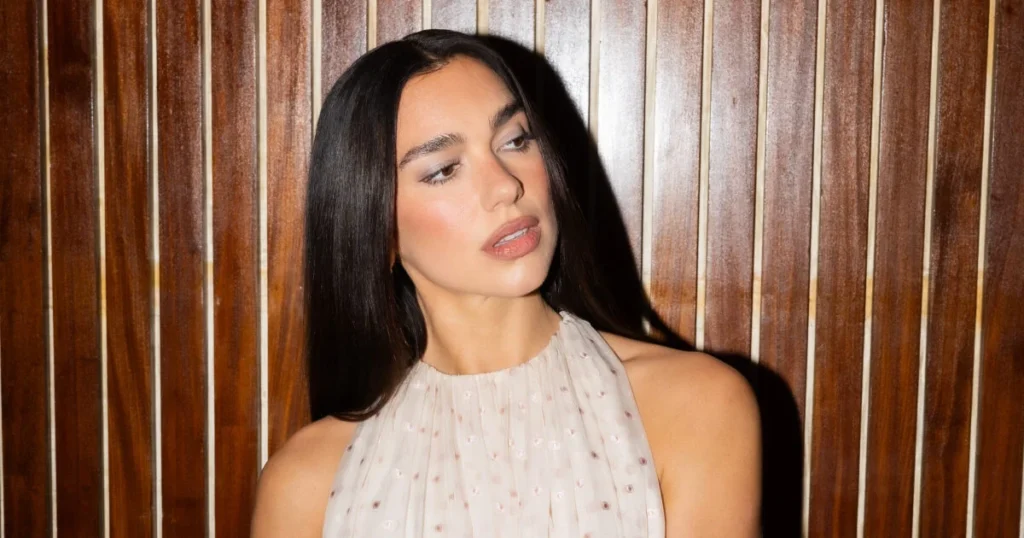
The lawsuit filed by Dua Lipa’s legal team alleges that Samsung Electronics utilized her image as a primary marketing tool for TV packaging boxes distributed extensively across the United States. According to court documents, the imagery in question featured the artist in a manner that suggested an official endorsement or a brand partnership that, according to the plaintiff, never existed. The complaint argues that the "Levitating" singer’s image was used to enhance the aesthetic appeal and commercial value of Samsung’s premium display products without the artist receiving any compensation or having the opportunity to vet the association.
The $15 million figure demanded by the plaintiff is not merely a symbolic gesture but is calculated based on the estimated market value of a global endorsement deal of this magnitude. Legal experts note that for an artist of Dua Lipa’s stature—who maintains high-value contracts with luxury brands and global entities—an unauthorized use of her likeness can dilute her brand equity and interfere with existing or future exclusive endorsement opportunities.
Samsung’s Official Rebuttal and the "Content Provider" Defense
In response to the escalating legal pressure, Samsung Electronics released an official statement on May 12, 2026, categorically denying the claims of intentional infringement. The company’s defense hinges on the assertion that they acted in good faith based on contractual assurances provided by a third-party content provider.
"The claim that we used the artist’s image without permission is not true," the statement from Samsung Electronics read. "We confirmed the rights to use the image through a content provider partner and utilized it accordingly."
This defense strategy suggests that Samsung entered into a licensing agreement with a partner—likely a stock photo agency, a marketing firm, or a media production house—that claimed to hold the necessary clearances for the artist’s likeness. In the world of global advertising, multinational corporations often rely on these intermediaries to provide "cleared" content. Samsung’s position is that if a breach of rights occurred, the liability rests with the partner who misrepresented the status of those rights, rather than with the tech giant itself.
Chronology of the Conflict
The timeline of the dispute indicates a period of attempted mediation that ultimately proved unsuccessful, leading to the current litigation.
- Early 2025: Samsung Electronics launches a new marketing campaign for its premium TV lineup in the United States. The campaign includes newly designed packaging featuring the image of Dua Lipa.
- July 2025: Legal representatives for Dua Lipa discover the use of the image on retail shelves and in marketing collateral. A formal notice is sent to Samsung Electronics stating that the artist never consented to the use of her image for this purpose.
- Late Summer 2025: Upon receiving the complaint, Samsung Electronics reportedly halts the manufacturing of the specific packaging boxes. The company begins a replacement process to remove the disputed imagery from its supply chain to mitigate further legal exposure.
- Late 2025 – Early 2026: Both parties engage in out-of-court discussions. Settlement figures and terms are debated, but a consensus remains elusive.
- May 2026: Negotiations break down. Dua Lipa’s side officially files the lawsuit in the Central District Court of California, seeking $15 million in damages. Samsung issues its formal rebuttal shortly thereafter.
The Legal Landscape: Right of Publicity in California
The filing in the Central District Court of California is significant because California law offers some of the most robust protections for "Right of Publicity" in the world. Under California Civil Code Section 3344, it is unlawful for any person or corporation to knowingly use another’s name, voice, signature, photograph, or likeness, in any manner, on or in products, merchandise, or goods, or for purposes of advertising or selling, without such person’s prior consent.
For Dua Lipa’s team to succeed, they must prove that Samsung used her identity for a commercial purpose and that the use was likely to cause damage. Given that the image was used on product packaging—a direct commercial application—the burden of proof shifts toward the validity of the "consent" Samsung claims to have obtained via its partner.
If Samsung can prove they had a valid contract with a third party that indemnified them against such claims, the case may evolve into a secondary legal battle between Samsung and the content provider. However, under many interpretations of California law, the end-user (Samsung) can still be held liable to the artist, even if they were misled by a third party.
Market Context: The Value of Dua Lipa and Samsung’s Dominance
To understand the scale of this lawsuit, one must look at the market positions of both parties. Samsung Electronics has remained the global leader in the television market for nearly two decades. In 2025, the company reported record-breaking sales in its Neo QLED and OLED segments, particularly in the North American market. The packaging of these products is a vital touchpoint for consumer experience, often designed to reflect a lifestyle of luxury and modern entertainment.
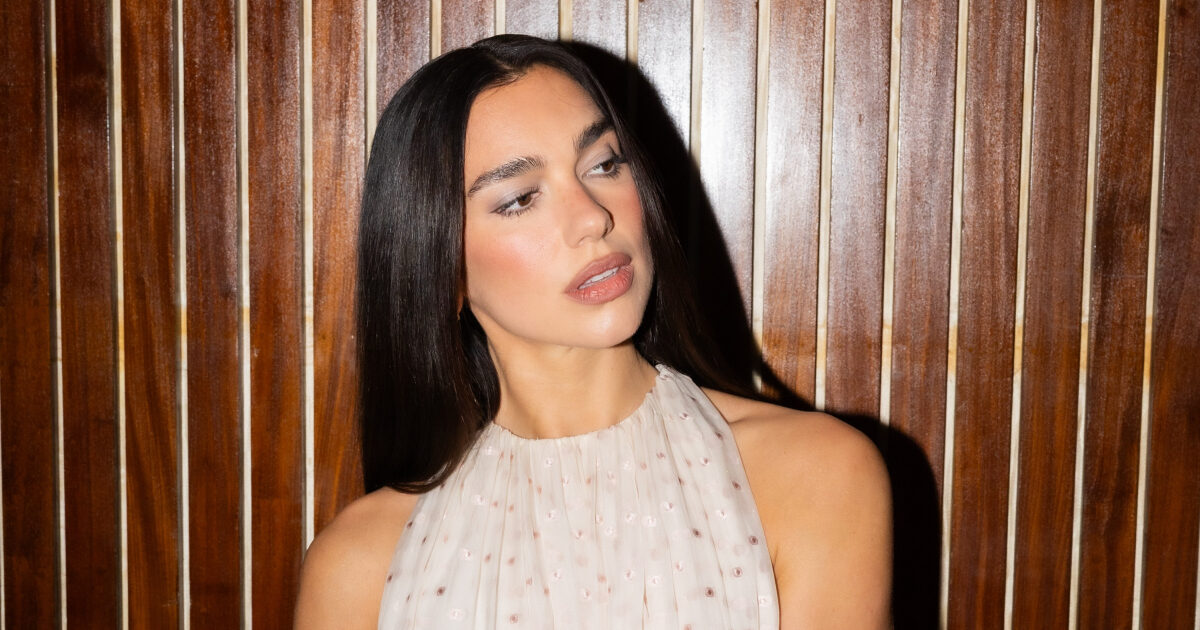
Conversely, Dua Lipa has transitioned from a pop star to a cultural icon with significant influence in fashion and technology. As of 2026, her brand value is at an all-time high, following a string of chart-topping albums and successful global tours. For an artist whose image is a carefully managed asset, an unauthorized association with a hardware manufacturer represents a significant breach of brand control.
The $15 million demand reflects the "going rate" for celebrity endorsements of this caliber. In previous years, similar lawsuits—such as those involving Ariana Grande or Scarlett Johansson—have highlighted that when a major corporation uses a celebrity’s "vibe" or likeness without a contract, the courts often look at what the corporation would have paid had they gone through the proper channels.
Supporting Data: Celebrity Endorsement Trends
Industry data from 2024 and 2025 suggests that top-tier celebrity endorsements for global tech brands typically range from $5 million to $20 million annually, depending on the scope of the campaign. By using the image on packaging—which has a longer lifespan than a digital ad or a television commercial—Samsung effectively utilized the artist’s "silent endorsement" for the duration of the product’s retail cycle.
Furthermore, the "replacement work" Samsung mentioned in their statement involves significant logistics and costs. Recalling packaging or re-skinning products in a retail environment like the U.S. can cost millions of dollars in operational expenses, which indicates that Samsung recognized the severity of the claim as early as July 2025.
Broader Implications for the Industry
This case serves as a cautionary tale for the global marketing industry. It highlights the inherent risks of the "outsourced" marketing model, where large corporations rely on a chain of vendors to provide creative assets.
- Due Diligence Failures: The dispute underscores the necessity for rigorous due diligence. Even with a "content provider partner" guaranteeing rights, the ultimate responsibility often falls on the brand displayed on the package.
- The Rise of Intellectual Property Litigation: As artists become more aware of the value of their "digital twin" and their likeness, we are seeing an increase in litigation against tech companies. This is compounded by the rise of AI, though this specific case involves a real photograph.
- The Price of "Good Faith": Samsung’s defense of "good faith" use will be tested in court. While it may prevent punitive damages (damages meant to punish the defendant), it rarely absolves a company from paying actual damages—the fair market value of the license they failed to purchase.
Conclusion and Current Status
As of mid-May 2026, the case remains in the early stages of litigation. Legal analysts expect a period of discovery where the contracts between Samsung and its content provider will be scrutinized. If the third-party provider did indeed provide a fraudulent or mistaken warranty of rights, Samsung may seek to bring them into the suit as a cross-defendant.
For now, the standoff continues. Dua Lipa’s team remains firm on the $15 million valuation, while Samsung maintains that they were a victim of a contractual misunderstanding rather than a perpetrator of intellectual property theft. The outcome of this case will likely set a significant precedent for how celebrity imagery is handled in the supply chain of consumer electronics and the extent to which global corporations can shift liability to their creative partners.
The Central District Court of California is expected to set a preliminary hearing date in the coming months, provided another attempt at a private settlement does not occur. Until then, the "Levitating" star and the electronics giant remain at a high-stakes legal impasse.
Related News