The video quickly gained traction on X (formerly Twitter) and YouTube, amassing millions of views within hours. While the clip was initially shared by fans as a candid "behind-the-scenes" look at the realities of performing, it soon became a lightning rod for criticism and defense. The discourse has divided the K-pop community into two primary camps: those who believe the act was a breach of professional performance decorum and those who argue that the idol was simply managing a common wardrobe malfunction under the intense pressure of a live show.
Contextual Background of the Incident
ITZY, a quintet under JYP Entertainment consisting of members Yeji, Lia, Ryujin, Chaeryeong, and Yuna, is renowned for its high-energy performances and complex choreography. Since their debut in 2019, the group has been a mainstay on the global charts, known for hits like "DALLA DALLA" and "WANNABE." Ryujin, serving as the group’s center and main rapper, has long been praised for her "girl crush" image and her ability to maintain a cool, professional exterior during demanding routines.
The performance in question took place during a stop on the group’s recent world tour. K-pop stage outfits are notoriously intricate, often involving multiple layers, safety pins, microphone packs, and specialized "safety shorts" worn under skirts or tight-fitting shorts. These outfits are designed for visual impact but are frequently prone to shifting during the vigorous movements required by ITZY’s choreography.
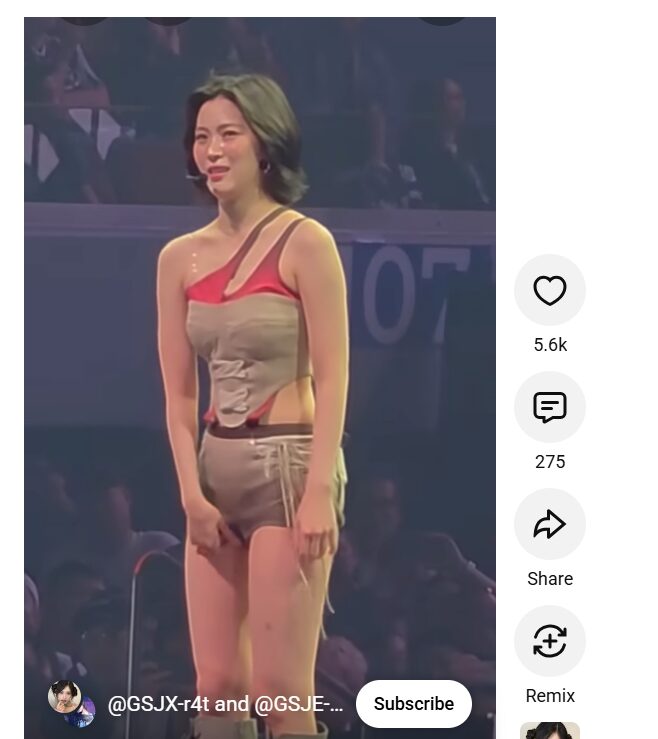
In the viral clip, Ryujin is seen standing near the side of the stage during a brief transition in the setlist. She appears to be dealing with an irritation or a shifting of her inner shorts, leading her to reach into her performance attire to make a quick adjustment. The gesture, lasting only a few seconds, was captured by a high-definition fan camera (fancam) and subsequently uploaded online with various captions ranging from concern to bewilderment.
Analysis of Public Reactions and Social Media Discourse
The reaction to the video was immediate and polarized. On X, several users expressed shock at the visibility of the adjustment. One viral post questioned why the idol did not wait until she was off-stage or in a more secluded area to fix her clothing, stating, "Wait, why the heck is she doing it in front of a crowd?" Another commenter suggested that while they understood the need for comfort, the idol should have sought a more discreet moment, adding, "At least go backstage, Ryujin, geez."
Conversely, a significant portion of the fanbase, known as MIDZY, rushed to Ryujin’s defense. These supporters argued that the criticism was rooted in a lack of understanding regarding the physical toll of performing. Many pointed out that wardrobe malfunctions are not only uncomfortable but can also be dangerous if they impede a dancer’s range of motion. "She’s adjusting her shorts? I could never be an idol, I’d get cancelled every day for cursing these [critics]," one supporter wrote, highlighting the immense pressure idols face to remain "perfect" at all times.
The debate also took a sociological turn, with many fans highlighting a perceived double standard between male and female performers. It was noted that male idols frequently adjust their trousers, belts, or microphone packs on stage without facing similar levels of scrutiny or accusations of "inappropriate" behavior. One user articulated this sentiment by saying, "So people with [male anatomy] can constantly readjust in public, but we can’t without y’all turning it into something inappropriate? Got it."

The Technical Realities of K-pop Performances
To understand the context of Ryujin’s actions, one must look at the technical requirements of modern K-pop stages. Idols are often fitted with heavy microphone transmitters and in-ear monitor packs, which are typically strapped to the waist or thigh. During high-intensity dancing, these packs can slip, pulling down clothing or causing friction against the skin.
Furthermore, the "safety shorts" mentioned by fans are a standard part of a female idol’s wardrobe. These are tight, spandex-like garments worn to prevent accidental exposure during kicks and spins. However, if these shorts ride up or become twisted, they can cause significant physical irritation or even lead to skin chafing. In a professional setting where a performer must continue dancing for another 60 to 90 minutes, an immediate adjustment is often a pragmatic necessity rather than a choice.
Professional stage managers often advise performers to fix wardrobe issues as quickly as possible to avoid larger malfunctions that could halt the show. In this light, Ryujin’s quick adjustment could be viewed as a sign of a seasoned professional managing a technical difficulty on the fly to ensure the rest of the performance could proceed without interruption.
Chronology of the Viral Spread
The timeline of the event illustrates how quickly a minor moment can escalate into a global talking point in the digital age:

- Performance Night: The concert takes place, and the moment occurs during a transitional period on stage.
- Initial Upload (T+2 Hours): A fan-operated YouTube channel uploads a 4K fancam of Ryujin’s individual performance.
- Social Media Pickup (T+12 Hours): Short snippets of the adjustment are cropped and shared on X and TikTok.
- Viral Peak (T+24 Hours): The video reaches mainstream K-pop news outlets and forums, triggering the "divided reactions" noted in the original reports.
- Community Response (T+36 Hours): Fans begin a "protection" campaign, reporting derogatory comments and sharing positive clips of Ryujin’s performance to bury the controversial footage.
Broader Implications for Idol Privacy and Performance Standards
This incident raises broader questions about the privacy of performers in an era of 4K fan cameras. Every movement an idol makes on stage is now recorded and archived, leaving no room for the minor human adjustments that were once invisible to the general public. The expectation of "constant perfection" places a psychological burden on artists, who must be aware that even a momentary fix of their clothing can be misinterpreted or sexualized by a global audience.
Industry experts suggest that the "shock" expressed by some viewers reflects a lingering taboo regarding the physical realities of female performers. While the K-pop industry is highly polished, the physical labor involved is immense. When the "fourth wall" of the performance is broken by a mundane act like adjusting clothing, it can be jarring for viewers who subscribe to the idealized version of the idol.
However, the vocal defense of Ryujin by a large segment of the public suggests a shifting tide. There is a growing movement within the K-pop fandom to humanize idols and advocate for their right to comfort and safety over aesthetic perfection. This shift is particularly evident among younger fans who are more likely to challenge traditional gender norms and double standards.
Official Responses and Future Outlook
As of the time of writing, JYP Entertainment has not issued an official statement regarding the video. The agency typically refrains from commenting on minor stage incidents unless they involve legal issues or significant threats to an artist’s reputation. Historically, the company has taken a firm stance against the malicious editing of clips or the use of "hidden cameras," though fan-recorded footage from public concerts falls into a more complex legal gray area.
The "divided reactions" to Ryujin’s video are likely to persist as a case study in the evolution of fan culture. As K-pop continues to expand its global footprint, the clash between traditional Korean performance standards and Western-influenced ideals of authenticity and bodily autonomy will continue to generate headlines.
For ITZY, the incident serves as a testament to their massive visibility. Only a group of their stature could trigger such an extensive international debate over a five-second clip. Moving forward, the discussion may lead to more practical changes in how stage outfits are designed or how "safety" is prioritized in choreography.
In conclusion, while the "shocking" nature of the video may have been the initial draw for many viewers, the resulting conversation has touched on deep-seated issues of gender, professionalism, and the right to privacy. Ryujin, for her part, continues to perform on the world stage, maintaining the high standards that have made her one of the most respected figures in her generation of K-pop. The incident serves as a reminder that behind the glitter and glamour of the stage, idols are athletes and workers who must navigate the physical realities of their craft under the unyielding gaze of the public.