South Asian Threads Weave Through Global Fashion: A Summer Festival Style Guide
Article Editorial Team

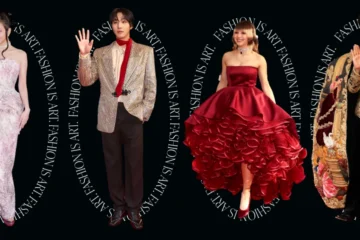
The global fashion landscape is currently experiencing a significant infusion of South Asian influences, from the intricate embellishments of the lehenga to the graceful drape of the dupatta and the distinctive allure of the jhumka. Silhouettes and artisanal techniques traditionally recognized as desi, and at times historically overlooked or even disparaged, are now being celebrated and emulated, gaining aspirational status with a significant endorsement from Western fashion circles. This trend signifies a cultural moment where age-old craftsmanship is not only being acknowledged but is actively being reinterpreted by a new generation of designers for a contemporary, globalized clientele. While this resurgence is met with justified enthusiasm, it also necessitates a nuanced understanding of its roots and the potential for cultural appropriation. As platforms like Instagram and Pinterest overflow with desi fashion aesthetics, serving as potent inspiration for upcoming summer events, particularly with the commencement of festivals like Coachella and a packed summer lineup, EnVi highlights seven South Asian brands poised to imbue festival wardrobes with cultural depth and vibrant flair.
The current wave of South Asian fashion’s global ascent is not an overnight phenomenon. It’s a culmination of decades of cultural exchange, increasing digital connectivity, and a growing appreciation for artisanal traditions that were once confined to specific regions or occasions. Historically, Western fashion has often drawn inspiration from diverse cultures, sometimes leading to superficial interpretations. However, the current trend appears to be marked by a more conscious engagement, with designers and consumers alike showing a greater interest in the stories and craftsmanship behind the garments. This has led to a dynamic interplay where traditional techniques are being revitalized and presented in innovative ways, appealing to a generation that values authenticity, cultural heritage, and ethical production.
The Rise of Desi-Inspired Festival Fashion
The anticipation for summer festivals, a period synonymous with expressive and often bold fashion choices, provides a fertile ground for the integration of South Asian aesthetics. These events, characterized by their eclectic styles and emphasis on individuality, are perfectly suited for the vibrant colors, rich textures, and intricate detailing that define desi fashion. The challenge, and indeed the opportunity, lies in translating these elements into pieces that are both festival-appropriate and respectful of their cultural origins.
abacaxinyc: Tropical Vibrancy and Ethical Craftsmanship
Nestled in the heart of New York City, Sheena Sood’s label, abacaxinyc, offers a vibrant and ethically conscious approach to fashion. The brand’s name, derived from the Portuguese word for pineapple, perfectly encapsulates its tropical spirit. Sood’s designs are deeply rooted in her childhood experiences of shopping in India, aiming to integrate ancestral crafts into everyday wear rather than confining them to special occasions. This philosophy has fostered a diverse community that spans cotton farms in Tamil Nadu, artisan collectives in Peru, and workshops in New Delhi.
Abacaxinyc’s aesthetic is characterized by a playful use of draping, textural richness, and bold color palettes that evoke a psychedelic rave. For festival-goers seeking a bright and charming ensemble, the Knit Openwork Halter Top and Sweater Shorts in Bubble Tape Pink offer a delightful crochet option. For those preferring a more tailored yet equally stylish look, the Zipper Cowl Dress, presented in a cosmic gingham print with a custom abacaxi flower puller, provides a perfect Y2K-inspired detail. The brand’s commitment to ethical sourcing and production resonates with a growing consumer base that prioritizes sustainability and fair labor practices. This approach aligns with the increasing demand for transparency in the fashion supply chain, a critical factor in distinguishing genuine cultural appreciation from mere commercial exploitation.
MIRCHI BY KIM: A Gen Z Darling with a Fiery Spirit
The name MIRCHI BY KIM, drawing from the Hindi word for chili pepper, immediately conveys the brand’s bold and spirited essence. Founded by Gen Z model Kimaya Singh, this womenswear label has garnered a dedicated following among fashion-forward individuals from India to New York City. The brand’s collections are a vibrant tapestry of sparkly miniskirts, slinky halter tops reminiscent of the early 2000s, and signature red chili tank tops. Each piece is imbued with a layered sense of femininity and nostalgia, meticulously handcrafted by artisans associated with Mirchi.
For the festival season, MIRCHI BY KIM offers pieces that empower and captivate. The fringed Kali Set invites wearers to embrace their inner divine femininity, while the upcycled Zarina Denim Jacket, inspired by retro Bollywood aesthetics, offers a unique take on the cowboy-inspired look gaining traction for desert festivals. The brand’s emphasis on handcrafted details and its embrace of a youthful, energetic aesthetic make it a compelling choice for those seeking to make a statement. The success of brands like MIRCHI BY KIM highlights the growing influence of South Asian youth culture on global fashion trends, demonstrating that traditional motifs can be reimagined with a contemporary edge.
RESCHA: Sustainable Fibers and Blended Cultural Narratives
RESCHA, a name derived from the Hindi word resha meaning yarn, stands as a testament to sustainable fashion practices, exclusively utilizing deadstock and recycled fibers. Founder Charlotte Chowdhury, whose French Indian heritage deeply influences the brand’s design ethos, has established a cult favorite label that bridges Paris and Jaipur. Rescha’s design language is a sophisticated exploration of blended cultures, reinterpreting traditional motifs like the bindi and consistently subverting expectations.
The brand’s collections feature an intriguing juxtaposition of materials and styles, such as knitted t-shirts paired with raw silk skirts, embellished knitted slippers, and sheer chiffon shirts that offer a tantalizing glimpse of skin. Rescha is an artistic celebration of texture and Indian artisanship. For festival fashion, EnVi highlights the DOLLY silk scarf, adorned with embroidered floral motifs, and the KHEL jacket in raw silk, an ideal choice for breezy desert evenings. The brand’s commitment to sustainability, particularly through the use of deadstock fabrics, addresses the urgent environmental concerns within the fashion industry, positioning it as a leader in responsible luxury.
COLLECTED XX: Preserving Heritage Through Textile Art
COLLECTED XX operates as a textile art conservation forum, dedicated to the preservation of South Asian handwoven fabrics and artisanal techniques, celebrating the diverse cultural heritage across the subcontinent. The collective engages in collaborative efforts with master artisans from Pakistan, employing a rigorous process of examination, treatment, and reconstruction of historical textiles. By fostering authentic relationships with artisans, COLLECTED XX provides a transparent platform for preserving ancestral crafts, encouraging innovation, and authentically redefining cultural narratives.
For festival season, the brand offers a unique desi upgrade for graphic tees. The Yasmine Graphic T Shirt serves as a canvas for Indofuturist artwork, merging traditional influences with futuristic visions. Complementing the trend for festival-ready denim, the Spineflower Denim Shirt, embellished with hand-embroidered wildflowers and tassels, offers a distinctive South Asian interpretation of the popular cowboy-inspired aesthetic. The work of COLLECTED XX underscores the importance of cultural preservation in fashion, highlighting how contemporary design can serve as a vehicle for safeguarding traditional crafts and supporting artisan communities.
GUNDI STUDIOS: Empowering the "Misfit Girls"
Natasha Sumant’s GUNDI STUDIOS, established in 2018, was born from a desire to challenge the prevalent media portrayals of meek South Asian women. The brand’s name, a colloquial Hindi term for a female "thug" or a woman who lives by her own rules, encapsulates its mission to celebrate the "misfit girls." Through its campaigns featuring brown women and a supply chain rooted in rural India, Sumant directly addresses the historical marginalization of South Asian women in the fashion industry.
GUNDI STUDIOS embodies a meticulous fusion of overlooked traditions, age-old techniques, and daring design. The Kaali Saree Dress, a sheer black creation with elegant draping, epitomizes festival chic. For practical yet stylish accessories, the Sona Bag, crafted from Mashru silk and meticulously hand-smocked and hand-sewn by artisans in Jodhpur, India, offers a perfect blend of artistry and functionality. The brand’s empowering narrative and its commitment to showcasing South Asian women and craftsmanship contribute to a broader movement of cultural reclamation and self-representation in fashion.
Outhouse Jewellery: Architectural Statements and Global Appeal
Sisters Kaabia and Sasha Grewal have meticulously built Outhouse Jewellery into a brand synonymous with bold, dramatic, and architectural statement pieces. For over 13 years, the Grewal sisters have carved a unique niche in India’s costume jewellery landscape, infusing their creations with theatricality, intention, and an unwavering focus on craftsmanship. Outhouse Jewellery has consistently maintained a global identity, recently gaining international acclaim with its pieces featured on BLACKPINK’s Jisoo in their music video for "GO."
Moving beyond conventional accessories, Outhouse Jewellery offers transformative pieces for the discerning festival-goer. The Koko Alchemy Choker, presented in a dual metallic tone, offers a contemporary alternative to past trends. For those who prefer a statement bangle, the Crimson Relic Bangle, with its fluid yet sculptural design crowned with maroon glass stones, is an exquisite choice that guarantees to command attention. The brand’s success demonstrates the potent appeal of statement jewellery that blends traditional motifs with contemporary design, capturing the attention of global pop culture icons.
ZOHRA RAHMAN: Deconstructing Heritage with Artistic Flair
Artist and jewellery designer Zohra Rahman’s eponymous label draws deeply from her South Asian heritage and global influences, offering a deconstructed and reinterpreted perspective on traditional motifs and identity. Each piece is meticulously handcrafted in a small atelier in Lahore, and the brand has garnered a discerning clientele, including celebrities like FKA twigs and Hanni of NewJeans. Operating between New York City and Lahore, Rahman’s work is informed by a dual cultural lens, capturing the aesthetic tensions between South Asia and the West.
Rahman’s contemporary take on the iconic jhumka, the Djinn Jhumkas, are architectural marvels that create a captivating windchime-like effect with every movement. Another notable piece is the Studded Allah Amulet, a reimagining of the protective taweez. This amulet features the brand’s signature chain-like style, adorned with a riveted inscription of Allah in Arabic calligraphy. Rahman’s approach highlights how traditional religious and cultural symbols can be recontextualized through art and design, creating pieces that are both deeply personal and universally appealing.
Navigating Cultural Appreciation in a Globalized Era
In an era where South Asian cultural elements are increasingly being adopted and commodified on a global scale, a heightened sense of discretion and understanding becomes paramount. True inspiration drawn from a culture and its intricate techniques necessitates a deep appreciation for its roots and the multifaceted factors that have shaped it. As globalization continues to exert its influence, leading to the potential erosion of languages, traditions, and unique community practices, the most impactful action is often to support the very artisans and families who have sustained these crafts for generations.
The proliferation of South Asian aesthetics in global fashion presents a significant opportunity for cultural exchange and economic empowerment. However, it also carries the risk of superficial appropriation, where the deeper meanings and historical contexts are overlooked. Brands and consumers alike are increasingly being called upon to engage in a more thoughtful and respectful dialogue with the cultures they draw inspiration from. This involves not only acknowledging the origins of design elements but also actively supporting the communities that preserve and innovate these traditions.
The increasing visibility of South Asian designers and artisans on the global stage is a positive development, fostering a more inclusive and diverse fashion industry. As festivals like Coachella and numerous other summer events provide platforms for creative expression, the integration of South Asian influences offers a rich tapestry of style. The brands highlighted—abacaxinyc, MIRCHI BY KIM, RESCHA, COLLECTED XX, GUNDI STUDIOS, Outhouse Jewellery, and Zohra Rahman—each represent a unique facet of this vibrant cultural renaissance, demonstrating that heritage and modernity can indeed coalesce into fashion that is both beautiful and meaningful.
The broader implications of this trend extend beyond mere fashion. It signifies a shift in global cultural perceptions, where previously marginalized or overlooked aesthetics are now gaining mainstream recognition and appreciation. This can foster greater understanding and empathy between cultures, while also creating economic opportunities for artisans in South Asia. However, the responsibility lies with all stakeholders in the fashion ecosystem—designers, brands, retailers, and consumers—to ensure that this engagement remains authentic, respectful, and ultimately beneficial to the communities whose cultural heritage is being celebrated. The ongoing dialogue around cultural appropriation versus appreciation is crucial, and by supporting designers who prioritize ethical practices and genuine collaboration, the fashion world can move towards a more equitable and culturally sensitive future. The summer festival season, with its inherent spirit of celebration and self-expression, serves as a vibrant stage for this evolving narrative of global style, intricately woven with the rich threads of South Asian heritage.
Related News