South Korea’s Celebrity Soldier System Under Intense Scrutiny Following Misconduct Allegations and Preferential Treatment Scandals
Article Editorial Team
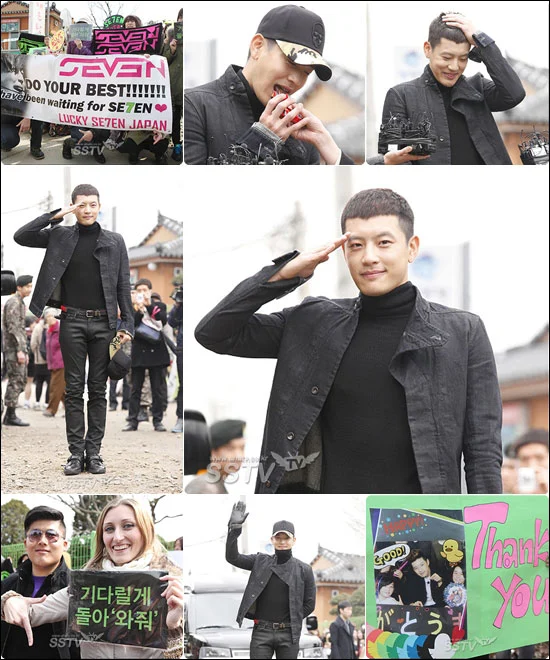
The Ministry of National Defense of South Korea has launched a comprehensive internal audit into the conduct of its "celebrity soldiers" following a series of high-profile scandals that have ignited public outrage across the peninsula. What began as an effort to utilize the fame of popular entertainers for military public relations has devolved into a national debate regarding fairness, discipline, and the necessity of maintaining a separate unit for high-profile conscripts. The recent incident involving K-pop star Se7en and Mighty Mouth member Sangchu has served as a catalyst for this institutional reckoning, exposing deep-seated issues within the Defense Media Agency and its management of public relations recruits.
The Foundation of Mandatory Service and the Geopolitical Reality
To understand the gravity of the current scandal, one must first consider the unique geopolitical landscape of the Korean Peninsula. Since the signing of the 1953 Armistice Agreement, which halted the hostilities of the Korean War without a formal peace treaty, North and South Korea have remained technically at war. Consequently, South Korea maintains a robust mandatory military service system to ensure national readiness against potential aggression from the North. Under the Military Service Act, all able-bodied South Korean men are required to serve approximately 21 to 24 months in the armed forces, typically between the ages of 18 and 28.
This period of conscription is viewed as a fundamental rite of passage and a civic duty that transcends social class. For the average South Korean male, the service involves rigorous physical training, restricted communication with the outside world, and placement in remote border regions under harsh conditions. Any attempt to evade this duty, or any perception of receiving preferential treatment during service, is met with severe social stigma and can effectively terminate a professional career.
The Rise of the Celebrity Recruit System
In the late 1990s, the Ministry of National Defense established the "celebrity recruit" system under the Defense Media Agency. The primary objective was to leverage the popularity of singers, actors, and entertainers to boost the morale of regular soldiers and to improve the military’s image among the general public. These recruits were tasked with hosting radio programs, performing in promotional concerts, and appearing in recruitment films.
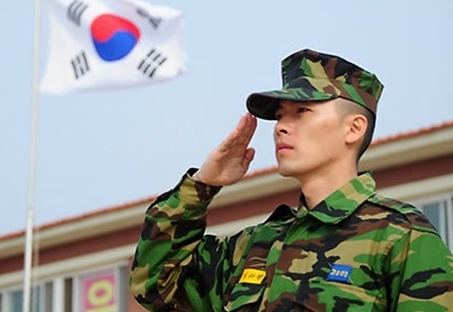
While the system was intended to be a mutually beneficial arrangement—allowing the military to utilize professional talent and allowing stars to maintain their public profile—it has long been dogged by rumors of "special treatment." Unlike regular soldiers who live in barracks with minimal amenities, celebrity recruits were often stationed in Seoul and granted frequent leaves of absence for performances, leading to accusations that they were serving a "diluted" version of the mandatory requirement.
Chronology of the 2013 Misconduct Scandal
The current crisis reached a breaking point following an investigative report by the SBS television program On Site 21. The broadcast, which aired in late June 2013, captured footage of several celebrity soldiers, including Choi Dong-wook (known professionally as Se7en) and Lee Sang-chul (Sangchu), engaging in activities that directly violated military protocol.
According to the investigation, the soldiers had traveled to Chuncheon for a military-sponsored performance. Following the event, the soldiers were filmed leaving their designated motel in civilian clothing—a major violation of military dress codes. The footage showed them using personal cell phones, which were strictly prohibited for active-duty soldiers at the time, and consuming alcohol at a local restaurant.
The most damaging evidence surfaced at approximately 4:00 AM, when Se7en and Sangchu were filmed entering a massage parlor known for providing adult services. Upon exiting the establishment, the two soldiers were confronted by SBS reporters. A physical altercation ensued as the soldiers attempted to seize the journalists’ cameras and microphones, an act of aggression that was captured in its entirety and broadcast to the nation.
Official Responses and the "Knee Therapy" Defense
In the immediate aftermath of the broadcast, the Ministry of National Defense and the representatives of the involved celebrities attempted to mitigate the fallout. Defense officials initially offered a controversial explanation, suggesting that the soldiers had visited the massage parlor for "therapeutic purposes," specifically for "knee therapy." This explanation was widely ridiculed by the public and media outlets, who pointed out the suspicious timing of a 4:00 AM medical visit to an establishment with no licensed medical staff.

Sangchu later attempted to take full responsibility for the incident, claiming that as the senior soldier, he had led his junior, Se7en, to the establishment. However, the public remained unconvinced. The backlash was further exacerbated when Se7en appeared for a subsequent military investigation wearing civilian clothes, a gesture perceived as a blatant disregard for the gravity of the situation and the authority of the military justice system.
Data on Preferential Treatment and Systemic Abuse
The SBS report and subsequent investigations by the Ministry of National Defense have brought to light startling data regarding the disparities between celebrity recruits and regular soldiers. Internal audits revealed that celebrity soldiers were granted significantly more vacation days and off-base passes than their counterparts in combat units.
Statistical comparisons indicated that while a regular soldier might receive an average of 43 to 45 days of leave over a 21-month period, some celebrity recruits were found to have taken over 150 days of leave. Furthermore, the search of the Defense Media Agency’s quarters revealed unauthorized luxuries, including:
- Private gym facilities not available to regular personnel.
- Possession of gaming consoles and personal televisions.
- Regular access to the internet and private civilian wardrobes.
- Frequent unauthorized use of mobile phones to maintain contact with talent agencies and personal acquaintances.
These findings confirmed the long-held suspicions of the South Korean public that the celebrity recruit system had become a "sanctuary" for the elite, shielding them from the hardships of standard military life.
The Precedent of Misconduct: The Rain Controversy
The Se7en and Sangchu scandal did not occur in a vacuum. Only months prior, the world-renowned singer and actor Jung Ji-hoon, known as Rain, faced similar scrutiny. Rain was caught on camera meeting his girlfriend, high-profile actress Kim Tae-hee, while on official duty. He was also observed not wearing his military beret in public, a violation of the military’s strict dress code.

Despite the public outcry, the punishment handed down to Rain was viewed by many as excessively lenient—a mere seven days of confinement to barracks for "reflection." The Ministry’s decision to discharge Rain on schedule in July 2013, without further disciplinary action, reinforced the perception that celebrities were "above the law" within the military structure.
Public Sentiment and the "Fairness" Debate
The reaction from the South Korean populace has been overwhelmingly negative. In a society where the university entrance exam and the job market are hyper-competitive, the concept of gongjeong (fairness) is a cornerstone of social stability. The military draft is one of the few institutions where, theoretically, the son of a billionaire and the son of a laborer are treated as equals.
The perceived erosion of this equality has led to calls for the total abolition of the celebrity recruit system. Online forums and news comment sections have been flooded with demands for the offending soldiers to be re-drafted into frontline combat units. High-profile figures, including politicians and social commentators, have argued that if Hallyu stars are as "essential" to the nation as they claim, they should demonstrate their commitment by serving with the same humility and discipline as any other citizen.
Broader Implications for the Hallyu Industry
The scandal has significant implications for the Korean Wave, or Hallyu. For years, talent agencies have struggled with the "military gap"—the two-year hiatus that can derail a star’s momentum. Some stars, like Se7en, had argued that their contributions to South Korea’s global soft power should entitle them to exemptions similar to those granted to Olympic medalists or award-winning classical musicians.
However, the recent misconduct has rendered this argument moot. Critics argue that the K-pop and K-drama markets are sufficiently saturated that the absence of a few stars does not harm the industry. On the contrary, stars who serve honorably often enjoy a "post-military surge" in popularity, as the public rewards their perceived patriotism. By contrast, those who abuse the system, such as Se7en and Sangchu, face the potential end of their careers. The loss of commercial endorsements and the "blacklisting" by major broadcasting networks are likely consequences for those who tarnish the image of the military.

Conclusion and Future Outlook
As of July 2013, the Ministry of National Defense is under immense pressure to deliver a transparent and rigorous conclusion to its investigation. The options on the table range from a complete restructuring of the Defense Media Agency to the total dissolution of the PR unit.
The core of the issue remains a fundamental question of institutional integrity. If the South Korean military is to maintain the morale of its 600,000 active-duty personnel and the trust of the millions of families who send their sons to serve, it must ensure that the burden of national defense is shared equally. The celebrity soldier scandal has served as a painful reminder that fame does not grant exemption from the duties of citizenship, and that in the eyes of the law—and the public—there should be no "princes" in the barracks. The coming weeks will determine whether the Ministry of Defense chooses to protect its PR assets or to uphold the principle of equality that is vital to the nation’s social fabric.
Related News