Star Avoids Prison Sentence Despite Purchasing 2,300+ Child Porn Video And Images
Article Editorial Team

Taiwanese television host and entertainer Mickey Huang has successfully appealed his initial prison sentence, ultimately avoiding immediate incarceration despite being found in possession of and having purchased over 2,300 sexually explicit videos and images involving minors. The High Court of Taiwan recently upheld a suspended sentence, a decision that has ignited considerable public and legal debate regarding the efficacy of justice in cases of child exploitation.
Initial Allegations and the #MeToo Context
The extensive legal proceedings against Huang trace their origins back to Taiwan’s burgeoning #MeToo movement in 2023. At that time, a woman publicly accused Huang of sexually harassing her when she was a teenager. The allegations, widely reported across Taiwanese media, prompted a swift and public response from Huang, who issued an apology for what he termed his "inappropriate actions." While these initial sexual harassment allegations did not lead to formal charges, they triggered a broader police investigation into Huang’s conduct and digital footprint.
It was during this subsequent investigation that authorities uncovered a deeply disturbing collection of illicit material. Police discovered more than 100 videos depicting naked young girls and women stored on Huang’s hard drive. Further forensic examination revealed that Huang had been actively purchasing these materials from an underground online community known as "Creative Private Room." This platform gained notoriety for its illicit activities and was chillingly referred to by some as "Taiwan’s Nth Room," drawing parallels to the infamous South Korean Nth Room sex abuse case which involved sophisticated online networks for the production and distribution of sexually exploitative content.

The "Creative Private Room" and Its Parallels to the Nth Room Scandal
The "Creative Private Room" operated as a clandestine online forum where users could purchase and exchange videos and images, many of which involved non-consensual recordings and underage victims. The comparison to South Korea’s "Nth Room" is significant and underscores the grave nature of such digital exploitation networks. The Nth Room case, uncovered in 2020, shocked the world with its revelations of sophisticated online chatrooms where perpetrators extorted, abused, and sexually exploited numerous women and girls, distributing their videos to thousands of paying subscribers. The "Taiwan’s Nth Room" moniker suggests a similar, albeit perhaps less publicized, ecosystem of digital exploitation operating within Taiwan, highlighting a transnational problem facilitated by online anonymity and encrypted communication.
Mickey Huang’s involvement with "Creative Private Room" was extensive. Records indicate he registered for the community on February 12, 2013, and continued to actively purchase videos and images over a prolonged period, from August 8, 2017, up until July 8, 2023. Notably, his last recorded purchase occurred just days after his public #MeToo confession and a reported suicide attempt, suggesting a pattern of behavior that continued even amidst personal crisis and public scrutiny. This timeline indicates a deeply entrenched involvement in the consumption of child exploitation material, spanning over a decade.
Legal Proceedings and Initial Verdict
The gravity of Huang’s actions became fully apparent during the initial trial in December 2024. Prosecutors presented compelling evidence that Huang possessed a staggering 2,300 sexually explicit videos and images. These materials were confirmed to involve at least 35 minors, with victims ranging in age from 10 to 17 years old. The sheer volume of the content and the number of identified victims painted a stark picture of systematic engagement in child exploitation.

In light of this evidence, the initial court sentenced Mickey Huang to eight months in prison and imposed a fine equivalent to approximately 3,400 USD. This verdict reflected the severe nature of the crimes, particularly the possession and acquisition of child sexual abuse material (CSAM), which is universally condemned and carries significant legal penalties. The initial sentence was widely seen as a punitive measure intended to hold a public figure accountable for grave offenses.
Appeal, Suspended Sentence, and Rationale
However, the legal saga did not conclude with the initial sentencing. Huang’s legal team pursued an appeal, which led to the most recent update from the High Court of Taiwan. In a decision that has drawn considerable attention and criticism, Huang’s prison sentence was ultimately suspended for four years. This means that while he was sentenced to one year and six months in prison, he will not serve time in jail immediately, provided he adheres to the conditions of his suspension.
In addition to avoiding immediate imprisonment, the High Court mandated that Huang perform 180 hours of community service and attend three legal education sessions. The court’s rationale for granting the suspended sentence was primarily based on two factors: Huang’s lack of any previous criminal record and the fact that he had reportedly reached settlements with the victims involved. While the details of these settlements remain private, they typically involve financial compensation to the victims in exchange for their agreement not to pursue further legal action or to support a more lenient sentencing.
Broader Implications and Public Reaction
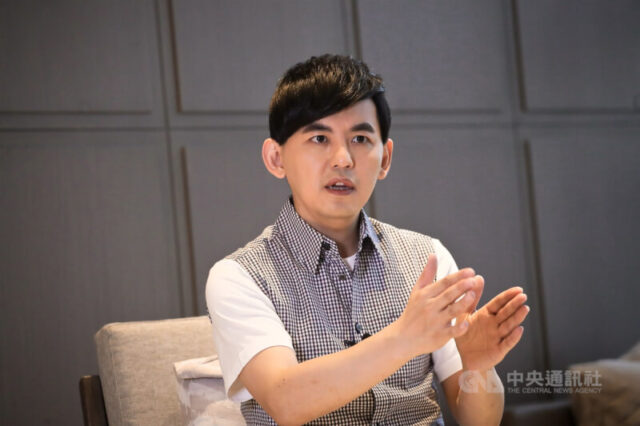
The High Court’s decision to grant Mickey Huang a suspended sentence has sparked a significant public outcry and renewed debate over the handling of child exploitation cases, particularly when prominent public figures are involved. Critics argue that a suspended sentence, despite the community service and legal education requirements, sends a troubling message about the severity of purchasing and possessing child sexual abuse material. Many believe that such lenient outcomes could undermine efforts to combat online child exploitation and may not adequately reflect the profound harm inflicted upon victims.
Child protection advocates have voiced concerns that the emphasis on a lack of prior criminal record and private settlements, while legally relevant, might overshadow the heinous nature of the crimes themselves. They stress that the consumption of CSAM perpetuates a global industry that thrives on the abuse of children, and that robust deterrents, including custodial sentences, are crucial for effective prevention. The "Taiwan’s Nth Room" analogy further amplifies these concerns, suggesting a systemic issue that requires a firm judicial response.
Conversely, proponents of the court’s decision might argue that the Taiwanese legal system allows for suspended sentences under specific circumstances, such as a first-time offense and efforts at victim restitution. The purpose of a suspended sentence can sometimes be seen as an opportunity for rehabilitation without the full disruption of incarceration, provided the individual adheres to strict conditions. However, in cases involving child exploitation, the balancing act between rehabilitation and punitive justice becomes particularly contentious.
Legal Framework and Challenges in Child Exploitation Cases
Taiwanese law, like many jurisdictions worldwide, has specific statutes addressing child sexual exploitation and the possession of child pornography. These laws aim to protect minors from abuse and to disrupt the supply and demand chains of CSAM. However, prosecuting such cases often presents unique challenges. The digital nature of the crime, the anonymity offered by online platforms, and the transnational characteristics of these networks complicate investigations and the identification of victims and perpetrators.
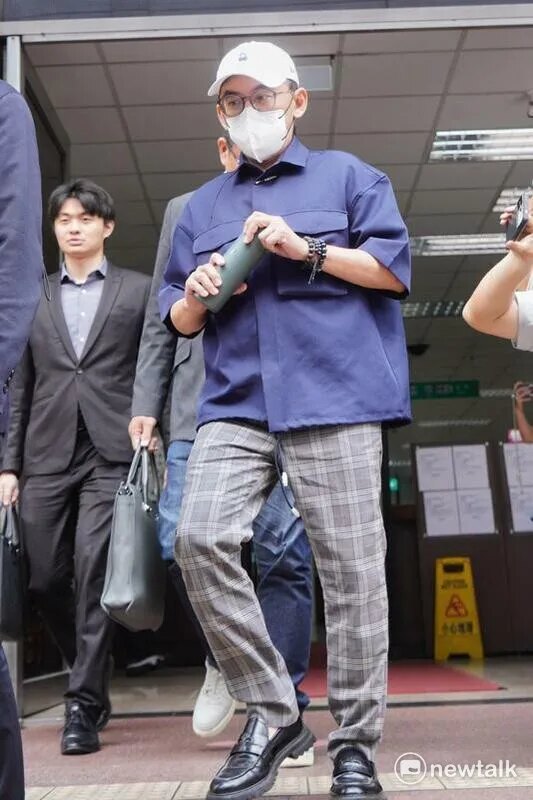
The legal system also grapples with the delicate balance of victim privacy and justice. While settlements can provide some measure of compensation and closure for victims, they can also influence sentencing outcomes, leading to debates about whether justice is fully served. The Huang case brings these complexities to the forefront, highlighting the tension between legal precedent, public expectation, and the paramount need to protect children.
Conclusion
Mickey Huang’s case serves as a poignant illustration of the ongoing struggle against child exploitation in the digital age and the complexities of legal justice, particularly when it intersects with celebrity status. His avoidance of immediate prison time, despite a substantial conviction for possessing and purchasing child sexual abuse material, underscores the nuanced considerations within legal systems and the diverse interpretations of justice. The public discourse surrounding this verdict will undoubtedly continue to shape conversations about accountability, victim protection, and the relentless fight against online child exploitation in Taiwan and beyond. The lasting implications of this decision will likely resonate for years, influencing public perception of justice and the effectiveness of legal deterrents against some of the most abhorrent crimes imaginable.
Related News