The transition from 2014 to 2015 marks a pivotal moment in the history of the Korean music industry, characterized by a complex intersection of unprecedented global growth and internal systemic crises. While the "Hallyu" or Korean Wave continued to expand its footprint across the Americas, Europe, and Southeast Asia throughout 2014, the year was simultaneously marred by high-profile legal disputes, tragic accidents, and a growing demand for structural transparency. As the industry moves into 2015, stakeholders, artists, and analysts are identifying key areas for reform and development, ranging from the diversification of artist portfolios to the fundamental overhaul of safety standards and contractual ethics.

The Evolution of the Soloist and Portfolio Diversification
A primary focus for the industry in 2015 is the strategic shift toward solo ventures within established idol groups. Historically, the K-pop model prioritized group cohesion and brand unity; however, recent market trends suggest that individual member branding is essential for long-term sustainability. The case of 2NE1’s Minzy serves as a prominent example of this demand. Despite her recognized technical proficiency in dance and vocal stability, Minzy remained one of the few members of the globally successful group without a dedicated solo debut by the end of 2014.
This internal disparity became more pronounced following the announcement of group leader CL’s venture into the United States market under the management of Scooter Braun. Industry analysts argue that the failure to utilize the individual talents of group members—particularly those with distinct musical colors in R&B, hip-hop, and contemporary dance—represents a missed opportunity for revenue diversification. The success of SHINee’s Taemin and Wonder Girls’ Yeeun (HA:TFELT) in 2014 demonstrated that the South Korean public is increasingly receptive to "musically ambitious" solo projects that deviate from standard idol pop formulas. In 2015, the industry is expected to move toward a model where solo albums are used not just as filler between group comebacks, but as a means to establish artistic credibility and longevity.
Related Articles

Legal Instability and the Demand for Contractual Transparency
The year 2014 was arguably the most litigious period in K-pop history, exposing the "darker corners" of the idol management system. The industry was shaken by a series of lawsuits that challenged the validity of long-term "exclusive contracts." In May 2014, Kris (Wu Yifan) of EXO filed a lawsuit against SM Entertainment to terminate his contract, followed by his teammate Luhan in October. These legal actions cited health issues, unfair profit distribution, and a lack of personal freedom as primary grievances.
Furthermore, the entire six-member lineup of B.A.P filed a lawsuit against TS Entertainment in late 2014, alleging "slave contract" conditions where the group received only a fraction of the millions of dollars in revenue they generated. These incidents have forced a public reckoning regarding the Fair Trade Commission’s (FTC) standard contract guidelines. While the FTC introduced a seven-year limit on contracts in 2009, loopholes regarding international activities and "trainee debt" repayment continue to place artists in precarious financial positions. The industry’s priority for 2015 is to move toward a more equitable distribution of wealth and a more humane management style to prevent the sudden dissolution of high-value intellectual properties.

Safety Protocols and Industry-Wide Reform Following the Ladies’ Code Tragedy
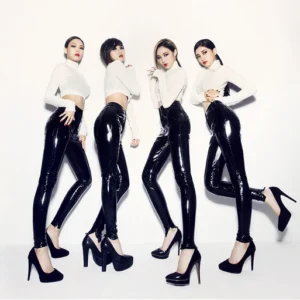
Perhaps the most somber catalyst for change in 2015 is the urgent need for road safety reform. The death of Ladies’ Code members EunB and RiSe in September 2014 served as a tragic wake-up call regarding the grueling schedules imposed on idols and their staff. Investigations into the accident revealed that the van was speeding in rainy conditions to meet a tight schedule, a common practice in an industry where groups often perform at multiple events across the country in a single day.
Data suggests that the frequency of traffic accidents involving idol groups is disproportionately high compared to other sectors of the entertainment industry. This is attributed to driver fatigue, as managers often act as both security and chauffeurs with minimal rest. In response, there is a growing movement in 2015 to mandate professional drivers for entertainment agencies and to establish "maximum travel speed" and "mandatory rest" clauses in artist schedules. The loss of two rising stars has shifted the conversation from "the show must go on" to "the safety of the human behind the idol."

The Shift in Variety Programming: Cultural Exchange and Intellectual Discourse
The South Korean television landscape, which serves as a major promotional vehicle for K-pop, underwent a significant transformation in late 2014 with the success of programs like JTBC’s Abnormal Summit (also known as Non-Summit). Moving away from traditional slapstick or physical challenge formats, these shows feature panels of foreign residents debating social, political, and cultural issues in fluent Korean.
The popularity of this format indicates a shift in the Korean public’s interest toward global perspectives. For the K-pop industry, this represents an opportunity for "educational entertainment." As idols increasingly perform on the global stage, variety shows that encourage cultural empathy and intellectual debate can help prepare artists for international interactions. However, the format has also faced criticism for stereotyping and a lack of diversity in its panel. In 2015, the goal for broadcasters is to refine these formats to provide a more accurate and respectful representation of global cultures, moving beyond "clown-like" portrayals of non-Korean participants.

Fandom Maturity and the Ethics of Privacy
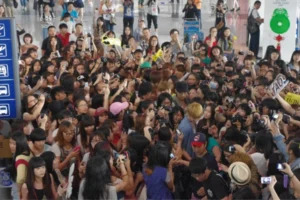
The relationship between idols and their fans (fandoms) reached a critical juncture in 2014, necessitating a push for "fan maturity" in the coming year. The rise of sasaeng fans—obsessive individuals who engage in stalking and invasion of privacy—has become a systemic threat to the mental health of artists. High-profile incidents involving groups like EXO and JYJ have highlighted the dangerous lengths to which these individuals will go, including installing hidden cameras and tracking private vehicles.
Simultaneously, the reaction to "dating scandals" remains a point of contention. The reveal of relationships involving members of Girls’ Generation and EXO led to polarized reactions, ranging from support to vitriolic harassment. In 2015, industry leaders and fan club presidents are advocating for a culture of respect where idols are viewed as human beings with the right to a private life. Furthermore, the issue of cultural sensitivity has come to the forefront. International fans have become increasingly vocal about instances of cultural appropriation, such as the use of blackface in comedy sketches or the insensitive use of religious symbols in music videos. The mandate for 2015 is clear: for K-pop to remain a global powerhouse, both the industry and its fans must adopt a more mature, culturally literate, and respectful approach to engagement.

Chronology of Key Events Influencing the 2015 Outlook
To understand the trajectory of 2015, one must examine the timeline of the preceding year:
- February 2014: SM Entertainment and JYP Entertainment report record-breaking annual revenues, signaling the continued financial strength of the "Big Three."
- May 2014: Kris of EXO files for contract termination, initiating a wave of departures by Chinese members of K-pop groups.
- July 2014: JTBC premieres Abnormal Summit, signaling a shift in variety show trends toward cultural discourse.
- September 3, 2014: The Ladies’ Code car accident occurs, resulting in the deaths of EunB and, subsequently, RiSe on September 7.
- September 30, 2014: Jessica Jung is reportedly "forced out" of Girls’ Generation, highlighting internal group conflicts and the pressure of balancing personal business ventures with group activities.
- November 2014: B.A.P files a lawsuit against TS Entertainment, bringing "slave contract" allegations back to the forefront of national headlines.
- December 2014: MBLAQ members Lee Joon and Thunder officially depart from the group following the expiration of their contracts, representing a rare "amicable" split compared to the year’s earlier litigations.
Broader Impact and Industry Implications
The collective impact of these events suggests that the K-pop industry is entering a "reconstruction phase." The "happy facade" that characterized the early years of the Hallyu wave is being replaced by a more realistic, albeit darker, understanding of the industry’s inner workings. For agencies, the primary implication is that the old methods of "iron-clad" control are no longer viable in an era of social media and global transparency.

In 2015, success will likely be measured not just by chart positions and concert attendance, but by an agency’s ability to maintain artist satisfaction and public trust. The move toward solo projects, the implementation of stricter safety regulations, and the education of artists regarding global cultural norms are all essential steps in this evolution. If the industry can successfully address these systemic issues, 2015 has the potential to be a year of genuine achievement and sustainable growth. If these warnings are ignored, the industry risks a cycle of litigation and reputational damage that could alienate the very global audience it has worked so hard to cultivate.