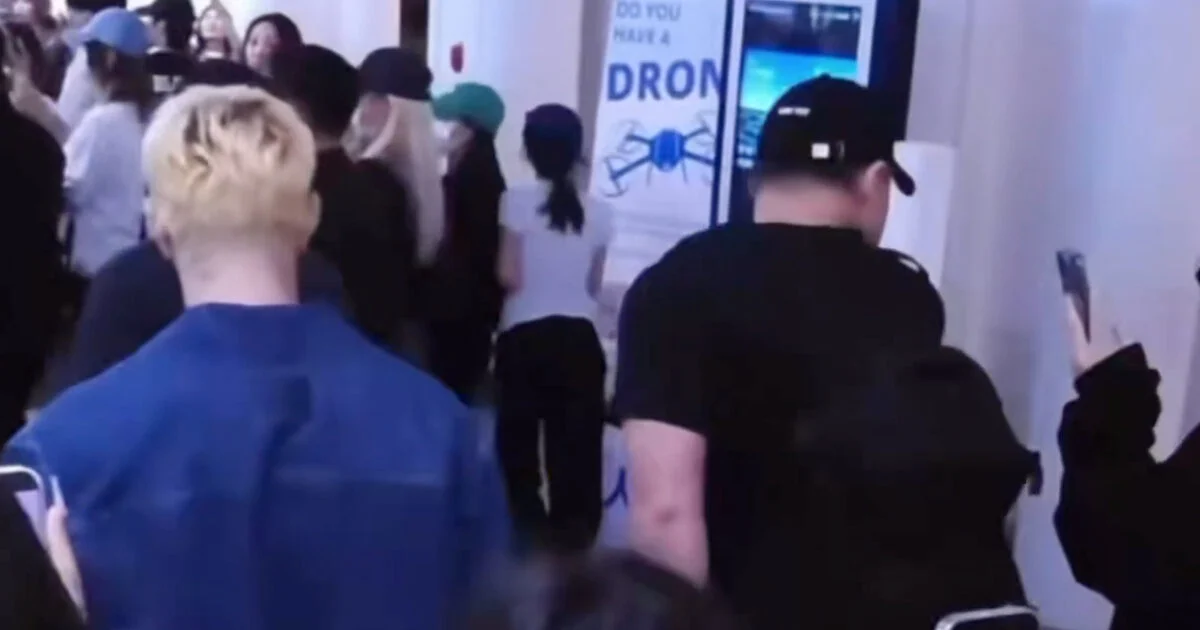
The global K-Pop phenomenon Stray Kids, through their leader Bangchan, has brought to light a disturbing incident at an airport involving member Felix, sparking widespread concern among fans and reigniting critical discussions about artist safety and fan conduct in public spaces. The incident, which reportedly involved a fan kicking Felix’s luggage and aggressive behavior with cameras, prompted a direct and impassioned plea from Bangchan for greater respect and awareness from the public.
Details of the Airport Incident and Bangchan’s Direct Appeal
On August 31, 2026, details began to emerge regarding an unsettling encounter experienced by Stray Kids members at an unspecified airport. While specific flight details or the exact location were not immediately disclosed, the core of the incident involved aggressive behavior directed towards the group. According to Bangchan’s subsequent messages to fans, one individual was observed kicking Felix’s luggage, a physical act that immediately raised alarms about the escalation of intrusive fan behavior. Furthermore, Bangchan highlighted the persistent issue of individuals aggressively placing phones in the idols’ faces, obstructing their path and creating a hazardous environment not only for the artists but also for other passengers and airport staff.
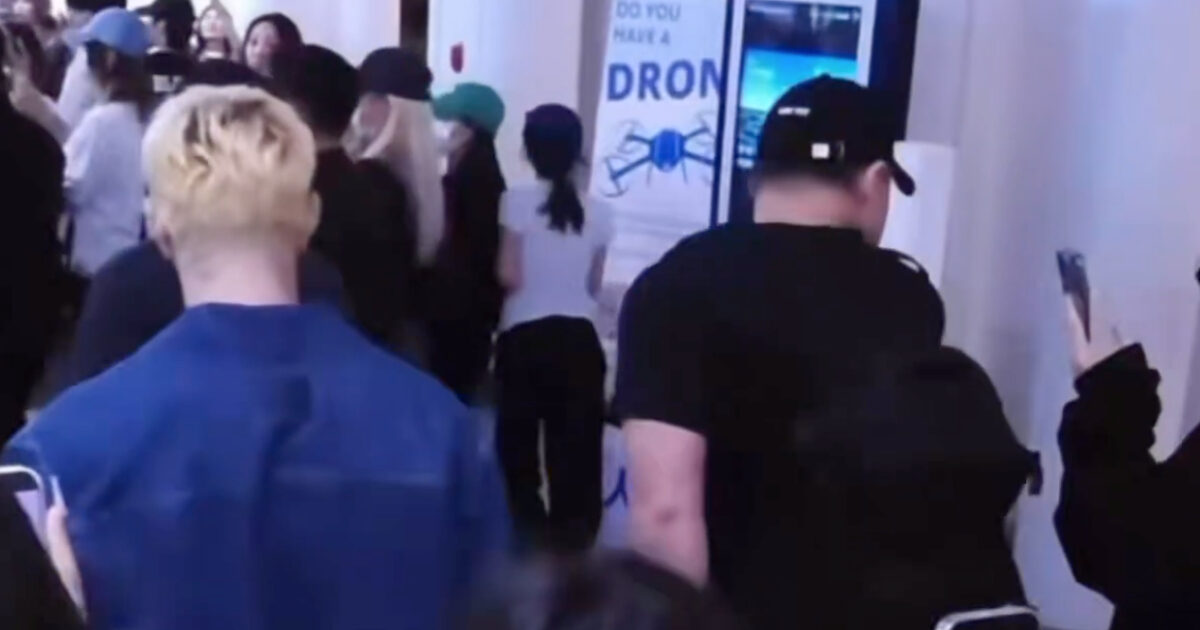
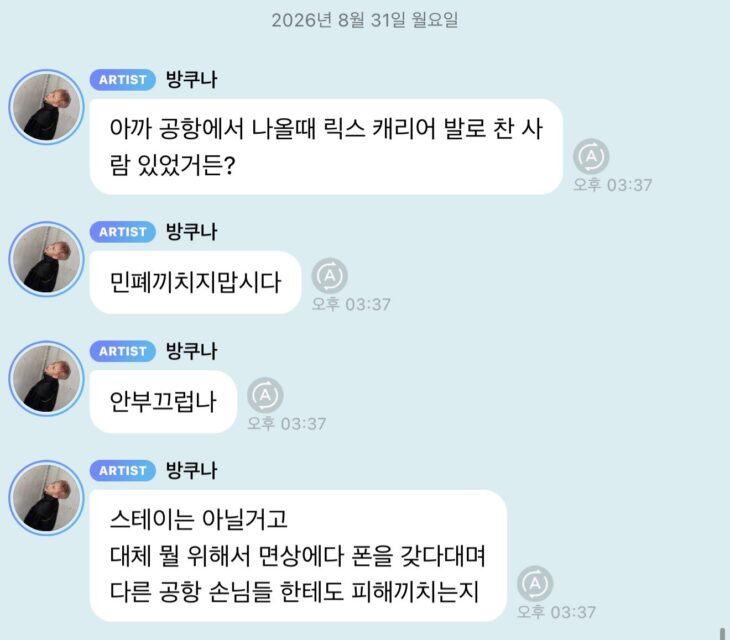
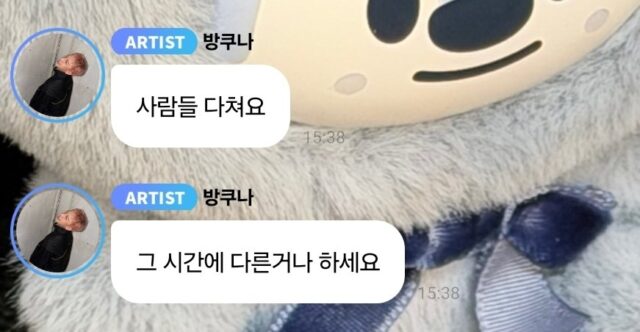
Bangchan, known for his candid communication with the group’s fanbase, STAY, addressed the situation directly and unequivocally. In a series of messages, he expressed his dismay and concern, stating, "There was someone at the airport who kicked Felix’s luggage. Let’s not be a nuisance. Are you not ashamed? I don’t think they are a STAY. What is the reason for putting phones up to our faces and being a nuisance to others at the airport? People can get hurt. Do something else with your time." His remarks clearly distinguished between genuine fans and those whose actions cross unacceptable boundaries, emphasizing that such behavior is not representative of the dedicated fanbase. The leader’s words resonated deeply, not just as a rebuke but as a heartfelt appeal for the safety and dignity of his members and the broader public. A video clip circulating online corroborated parts of the incident, visibly showing an individual making contact with luggage in a concerning manner.
A Chronology of Mounting Concerns for Artist Safety
The incident involving Stray Kids’ Felix is not an isolated event but rather the latest in a troubling series of occurrences highlighting the persistent challenges K-Pop idols face when navigating public spaces, particularly airports. The timeline of such incidents reflects a worrying trend:
- Early 2010s: As K-Pop’s international popularity began to surge, instances of fans (often termed "sasaengs" for their extreme and intrusive behaviors) mobbing idols at airports became more frequent. These early incidents primarily involved large crowds, pushing, and shouting, leading to minor injuries and significant travel disruptions.
- Mid-2010s: The advent of high-quality smartphone cameras exacerbated the problem. Fans began to prioritize capturing close-up photos and videos, often invading personal space, using flash photography in dark terminals, and chasing idols, creating chaotic and dangerous scenes. Management agencies started issuing more frequent warnings.
- Late 2010s – Early 2020s: Despite repeated warnings and increased security, incidents escalated. Cases of physical contact, luggage interference, verbal harassment, and even attempts to breach security lines became more common. This period also saw agencies implementing stricter rules and sometimes even legal action against the most egregious offenders. The psychological toll on idols, constantly under surveillance and threat, became a recognized concern within the industry.
- August 31, 2026 (Current Incident): The reported act of kicking Felix’s luggage marks a concerning shift towards more direct physical aggression against an idol’s belongings, symbolizing a disregard for their personal space and well-being. Bangchan’s immediate and public statement underscores the severity of this particular incident and the ongoing frustration within the idol community regarding these issues.
This chronology illustrates a concerning pattern of escalating intrusive behavior, moving from mere crowding to direct physical and emotional harassment, underscoring the urgent need for more effective preventative measures and stricter enforcement.

The Broader Context: K-Pop’s Airport Dilemma
The challenges faced by Stray Kids are emblematic of a systemic issue within the K-Pop industry, where the intense parasocial relationships between idols and fans can sometimes devolve into obsessive and dangerous behaviors. Airports, being public and often less controlled environments than concert venues, have become flashpoints for these encounters.
- The "Sasaeng" Phenomenon: The term "sasaeng" (사생팬), meaning "private life fan," refers to individuals who engage in extreme and invasive behaviors to get close to or observe their idols. Their actions range from stalking, harassing family members, breaking into private residences, to the disruptive airport behaviors described. While Bangchan stated he doesn’t believe the perpetrator was a "STAY" (Stray Kids’ official fandom name), the actions align with typical sasaeng behavior, blurring the lines and often unfairly tarnishing the reputation of the entire fanbase.
- Safety and Security Protocols: K-Pop agencies typically employ private security details for their artists, especially during airport transits. However, the sheer volume of people, coupled with the rapid movements of idols and the determination of sasaengs, often overwhelms these measures. Airport authorities, while responsible for general public safety, may not always have specialized protocols in place to manage celebrity crowds of this nature, leading to logistical challenges and potential risks.
- The Impact on Idols: Beyond the immediate physical danger, constant harassment takes a significant toll on idols’ mental and emotional well-being. The lack of privacy, the feeling of being constantly watched, and the aggressive invasion of personal space can lead to stress, anxiety, and burnout. Bangchan’s plea highlights not just the physical risks ("People can get hurt") but also the emotional toll, urging individuals to "Do something else with your time," implying a waste of effort on destructive behavior.
- Legal Ambiguities: While many countries have laws against stalking and assault, applying these to the nuanced situations at airports can be complex. The threshold for legal intervention often requires clear evidence of harm or direct threat, which can be difficult to obtain in chaotic environments. This legal ambiguity sometimes empowers persistent offenders who feel they can act with relative impunity.
Fan Community Reactions and Calls for Action
Immediately following Bangchan’s statement and the circulation of the video clip, the STAY community erupted in a wave of anger, concern, and solidarity. Social media platforms were flooded with messages expressing outrage over the perpetrator’s actions and deep worry for Felix and the other members.
- Outrage over Physical Aggression: Fans highlighted the dangerous escalation of "hate" becoming "physical," as one tweet noted, "wtf?? the hate towards felix has been getting out of hand, first disrespecting him in fansigns and now this?? it’s extremely concerning that the hate is getting physical." The act of kicking luggage was seen as a deliberate act of aggression, not just a misguided attempt at attention.
- Defense of the Fandom: Many fans echoed Bangchan’s sentiment, asserting that such individuals do not represent the true spirit of STAY. Tweets like, "’don’t think that person was a stay’ exactly. kicking luggage to hurt them, shoving phones in their faces and crossing boundaries really doesn’t make you weirdos fans," emphasized the distinction.
- Calls for Stricter Security: A recurring demand from the fanbase was for JYP Entertainment, Stray Kids’ agency, to implement more robust security measures. Suggestions ranged from increased private security personnel to working more closely with airport authorities to create safer passage for artists. There were also calls for the identification and banning of repeat offenders.
- Advocacy for Respect and Privacy: Beyond security, the incident spurred broader discussions about the importance of respecting idols’ privacy and personal boundaries. Many fans used the opportunity to educate others on appropriate fan etiquette and the negative consequences of intrusive behavior.
- Solidarity with Stray Kids: Underlying all reactions was an outpouring of support for Stray Kids, particularly Felix, offering messages of comfort and encouragement.
Official Responses and Industry Implications
While JYP Entertainment had not issued a specific official statement regarding this particular incident by the time of this report, their past actions and general stance provide context. K-Pop agencies frequently release guidelines for fan behavior, warning against stalking, privacy invasion, and disruptive actions at public locations like airports. They often emphasize that such behaviors not only endanger their artists but also inconvenience the general public and can lead to legal consequences or exclusion from fan events.
The incident is likely to prompt internal reviews of security protocols within JYP Entertainment, potentially leading to increased personnel or revised travel arrangements for their artists. It also adds to the growing pressure on the K-Pop industry as a whole to find more effective solutions to protect their artists from increasingly aggressive and intrusive "fans."
The broader implications extend to:
- Re-evaluation of Fan Interaction Policies: Agencies may need to further restrict or re-evaluate opportunities for direct fan interaction in uncontrolled environments.
- Technological Solutions: Exploration of technologies to deter aggressive photography or identify perpetrators might gain traction.
- Public Awareness Campaigns: Continued efforts to educate the public and differentiate between respectful fandom and harmful obsession are crucial.
- Collaboration with Authorities: Enhanced cooperation between entertainment agencies and airport security/law enforcement agencies to proactively manage celebrity transits and respond to incidents more effectively.
Conclusion: A Call for Dignity and Respect
The incident involving Stray Kids’ Felix and Bangchan’s subsequent public address serve as a stark reminder of the persistent and escalating challenges faced by K-Pop artists in maintaining their safety and privacy in an increasingly global and digitally connected world. The act of physical aggression towards an idol’s belongings, coupled with the pervasive issue of invasive photography, underscores a critical erosion of boundaries that demands immediate and comprehensive attention.
While the passion of K-Pop fandom is a powerful and positive force, a small fraction of individuals continues to undermine the well-being of the artists they claim to support. Bangchan’s words resonate as a plea for basic human dignity and respect, not just for his members but for everyone sharing public spaces. As the K-Pop industry continues its global expansion, ensuring the safety and mental health of its artists must remain a paramount concern, fostering an environment where talent can thrive without fear of harassment or harm. The responsibility ultimately lies with individuals to exercise empathy and restraint, recognizing that idols, despite their global fame, are entitled to fundamental rights to safety and privacy.