Super Junior Leeteuk Reveals the Highly Regulated Behind-the-Scenes Process of K-Pop Dance Challenges at Music Bank
Article Editorial Team

The landscape of the South Korean music industry has undergone a radical transformation over the last decade, shifting from a focus on traditional broadcast performances to a multi-platform digital marketing strategy. Central to this evolution is the "dance challenge," a short-form video trend that has become an obligatory component of any K-pop promotional cycle. While these clips often appear spontaneous and lighthearted to the casual viewer, Super Junior leader Leeteuk recently provided a detailed look into the highly structured and strictly regulated environment behind these videos, specifically within the confines of the long-running KBS program Music Bank. His revelations highlight a shift in music show culture where the "waiting period" between rehearsals and live broadcasts has been repurposed into a rigorous production schedule for social media content.
The Industrialization of the Waiting Room Culture
Historically, the backstage environment of music programs like Music Bank, Show! Music Core, and Inkigayo served as a rare window of downtime for artists. During the second generation of K-pop, an era defined by groups like Super Junior, Big Bang, and Girls’ Generation, idols utilized the hours between pre-recordings and the live show to rest, eat, or socialize with peers. Leeteuk, a veteran with nearly two decades of experience in the industry, noted that this culture of recuperation has largely vanished. In its place is a standardized production line dedicated to filming "challenges"—typically 15 to 60-second clips featuring the artist’s choreography, often performed alongside members of other groups.
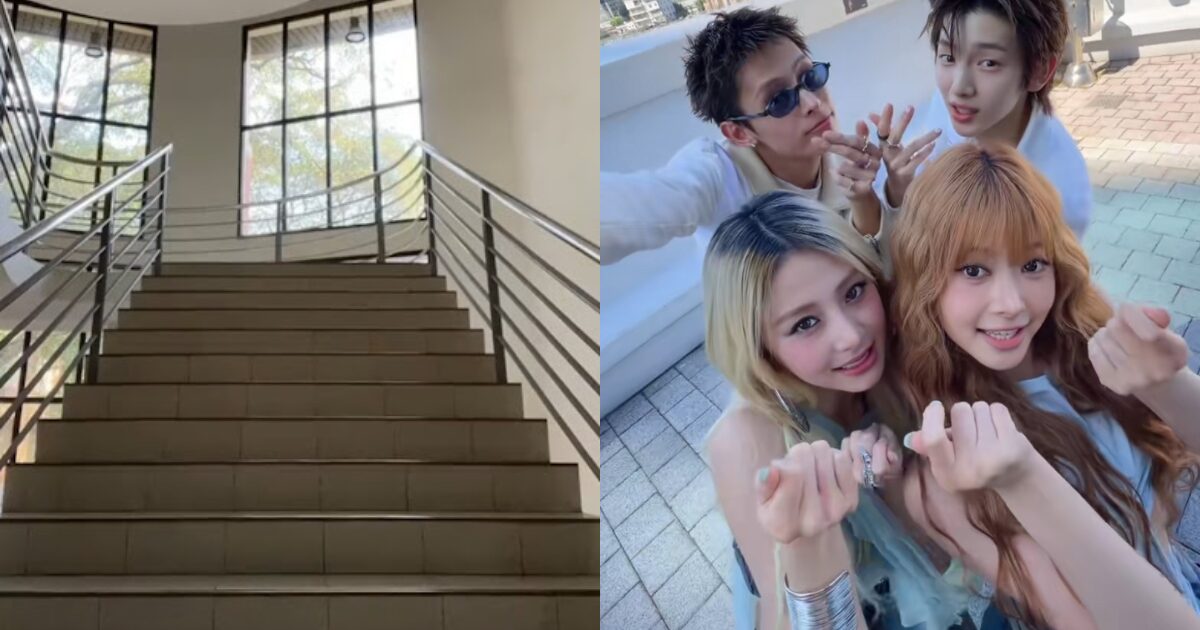
The sheer volume of groups participating in these challenges has necessitated a level of logistical management previously reserved for the main stage performances. According to Leeteuk, the backstage area of Music Bank has been transformed into a functional studio space, where every square meter is accounted for. The transition from a rest-oriented environment to a content-driven one reflects the increasing pressure on idols to maintain a constant digital presence to satisfy the algorithms of platforms such as TikTok, Instagram Reels, and YouTube Shorts.
The Music Bank Protocol: A Step-by-Step Breakdown
The process of filming a challenge at Music Bank is no longer a matter of finding a quiet corner and hitting record. Leeteuk explained that the program has implemented a specific "Challenge Zone," located in front of the building’s famous staircase—a location that has itself become an iconic landmark for K-pop fans. To manage the dozens of groups present on any given Friday, a formal system has been established to ensure order and efficiency.
1. The Ticket System and Queue Management
Perhaps the most surprising revelation from Leeteuk’s account is the introduction of a ticketing machine. Due to the high demand for the "Challenge Zone," idols and their management teams must now take a numbered ticket, similar to those found in banks or government offices. This system prevents the narrow hallways from becoming impassable and ensures that each group is granted a specific window of time to complete their filming. This "wait-your-turn" approach underscores the high-stakes nature of these videos; they are no longer optional extras but are treated with the same administrative gravity as the televised broadcast itself.

2. Equipment Restrictions and the "Smartphone-Only" Rule
In an effort to maintain the "raw" and "authentic" aesthetic that defines short-form social media content, Music Bank staff strictly enforce equipment regulations. Leeteuk revealed that the use of professional DSLR cameras, external lighting rigs, or specialized cinematography equipment is strictly prohibited within the challenge zone. Any group attempting to use high-end gear is immediately stopped by staff. Instead, all challenges must be filmed using a smartphone. This rule levels the playing field between well-funded legacy agencies and smaller "nugu" labels, while also ensuring that the content remains optimized for mobile viewing. Most major entertainment agencies now provide their staff with specific high-end smartphones dedicated solely to this purpose, often selecting models known for their superior stabilization and low-light performance.
3. Audio Requirements: The Portable Speaker Mandate
While the final video uploaded to social media uses a high-quality digital audio track, the actual filming requires on-site sound for synchronization. Leeteuk noted that groups are required to bring their own portable Bluetooth speakers to the challenge zone. This logistical detail highlights the independent nature of these shoots; while the venue is provided by the broadcaster, the production remains the responsibility of the idol’s management team.
The Evolutionary Timeline of the Dance Challenge
The phenomenon Leeteuk describes did not emerge in a vacuum. The trajectory of the K-pop dance challenge can be traced back to 2020, with Zico’s "Any Song" challenge. While idols had occasionally posted dance clips prior to this, Zico’s campaign was the first to demonstrate the direct correlation between a viral social media challenge and chart dominance. "Any Song" achieved a "Perfect All-Kill" on Korean charts, largely propelled by the participation of other celebrities and fans in the easy-to-follow choreography.

Following Zico’s success, entertainment agencies began incorporating "challenge-friendly" segments into their choreography—sections of a song with catchy, repetitive movements that are easily replicable within a vertical video frame. By 2022 and 2023, the practice had become so ingrained that music show venues began to experience "gridlock" in their hallways, leading to the implementation of the formal rules and zones described by Leeteuk.
Implications for Idol Well-being and Professionalism
While the structured system at Music Bank ensures efficiency, it has raised concerns regarding the physical and mental toll on performers. The "waiting period" was once the only time idols could sleep during a 20-hour workday. With the advent of the challenge era, this rest is frequently sacrificed. Idols must now learn the choreography of other groups—sometimes three or four different routines in a single day—to participate in cross-promotional "collabs."
Industry analysts suggest that this creates a "labor-intensive" promotional cycle. For a rookie group, the pressure to film challenges with senior artists is immense, as it provides invaluable exposure to larger fandoms. However, the requirement to remain "camera-ready" and energetic throughout the entire day, even during what should be downtime, adds a layer of exhaustion to an already grueling schedule.
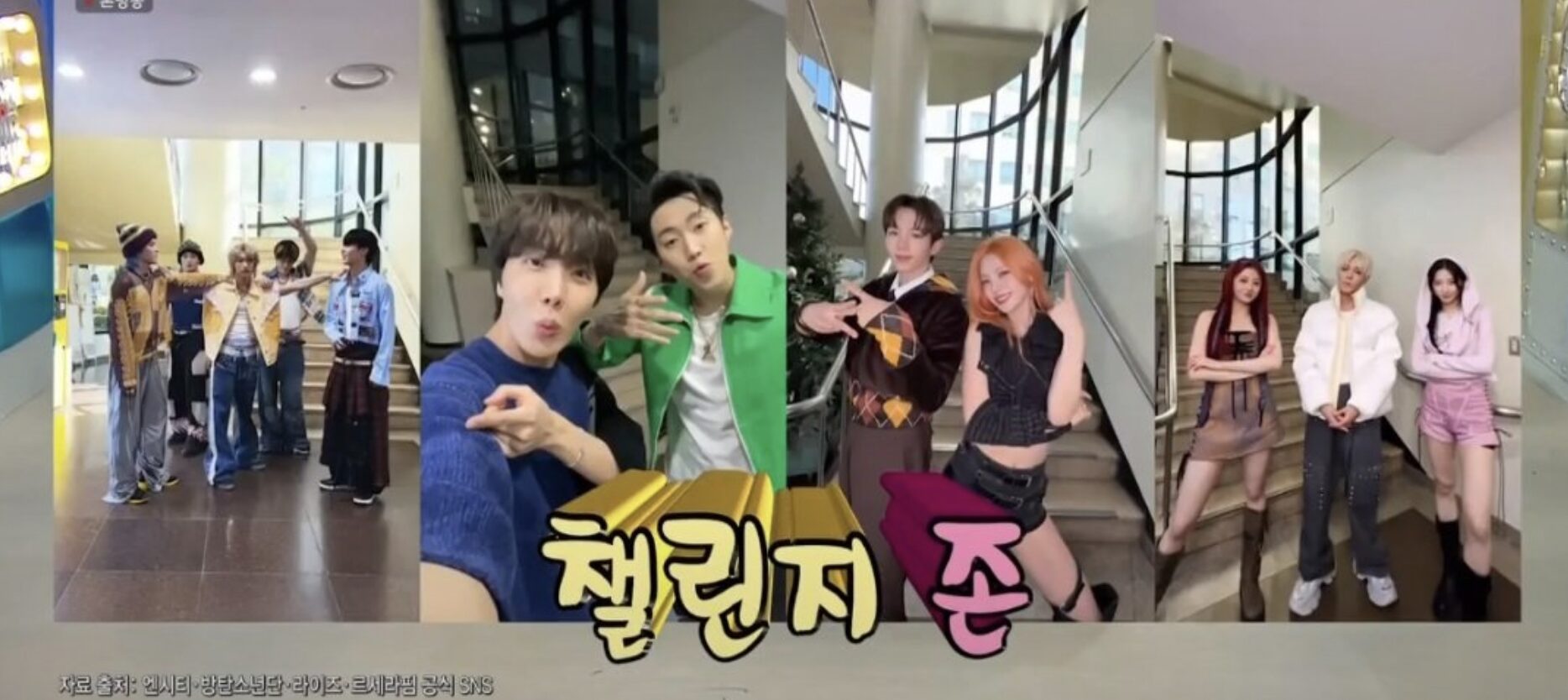
The Strategic Importance of the "Challenge Zone"
From a marketing perspective, the "Challenge Zone" at Music Bank represents a masterclass in brand consistency. By utilizing the same staircase and hallway locations, these videos create a sense of familiarity for the audience. The "Music Bank stairs" have become a character in their own right, symbolizing the "workplace" of the K-pop idol. For the broadcaster, KBS, this provides free advertising and keeps their brand relevant in the digital space, even if the viewer never watches the full television broadcast.
Furthermore, the data supports the necessity of this system. According to social media metrics, a successful dance challenge can increase a song’s reach by up to 400% compared to traditional teaser videos. In an era where "virality" is the primary currency, the ticket machine at Music Bank is a small price to pay for a shot at the top of the charts.
Official Responses and Industry Outlook
While KBS has not issued a formal statement regarding the specific "ticket machine" system, various production staff from music shows have anonymously commented on the necessity of these measures. In various industry forums, staff have noted that before the formalization of the "Challenge Zone," the backstage areas were often a safety hazard, with idols, dancers, and camera crews clogging emergency exits to film content.

As the industry moves forward, it is expected that other major networks, such as SBS and MBC, will adopt similar formalized structures. The "spontaneous" era of the dance challenge has officially ended, replaced by a sophisticated, high-output industrial process. As Leeteuk’s insights suggest, the world of K-pop remains a place where even the most "fun" and "casual" moments are the result of meticulous planning, strict regulations, and a relentless work ethic.
In conclusion, the revelations by Super Junior’s Leeteuk serve as a reminder of the hidden complexities of the K-pop industry. What appears as a 15-second clip of two idols laughing and dancing is, in reality, the end product of a system involving ticket queues, equipment checks, and the sacrifice of much-needed rest. As digital trends continue to dictate the pace of the music world, the backstage of Music Bank remains a microcosm of the broader shift toward a 24/7 content-generation cycle.
Related News