Technological Nationalism and Cultural Heritage The Significance of North Koreas Arirang Smartphone and the Shared History of the Korean Peninsula
Article Editorial Team
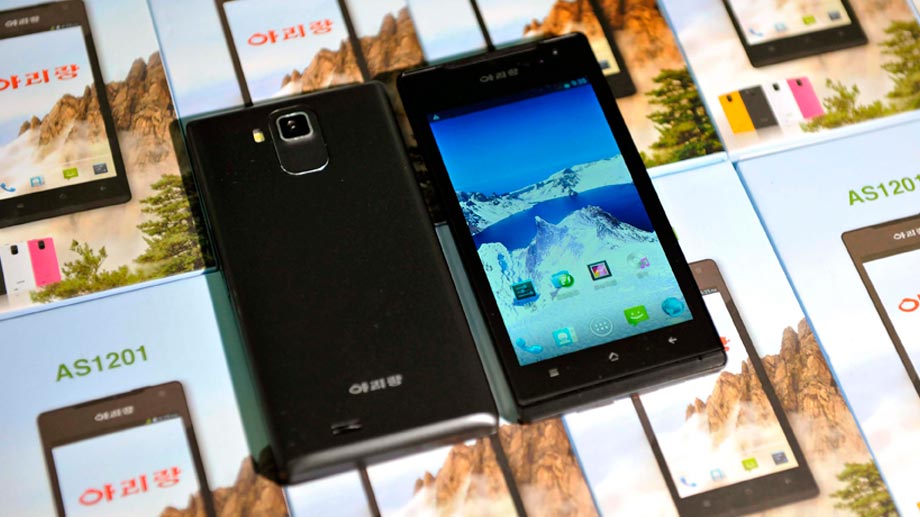
The government of the Democratic People’s Republic of Korea (DPRK) recently announced the successful production of its first domestically manufactured smartphone, the Arirang AS1201. Named after a revered traditional folk song that serves as an unofficial anthem for the entire Korean Peninsula, the device represents more than just a technological milestone for the isolated nation. It serves as a potent symbol of national identity and technological self-reliance (Juche) amidst a period of heightened military and political friction between Pyongyang, Seoul, and Tokyo. While international analysts remain skeptical regarding the device’s actual origin, the choice of the name "Arirang" highlights a deep-seated socio-cultural fabric that continues to connect the North and South despite decades of division.
The Unveiling of the Arirang Smartphone: Technical Details and Production Claims
In August 2013, North Korean state media, the Korean Central News Agency (KCNA), released a series of images showing Supreme Leader Kim Jong-un inspecting a factory where the Arirang smartphones were reportedly being assembled. During the visit, Kim Jong-un praised the "high spirits and creative ingenuity" of the workers and technicians, emphasizing the importance of mass-producing goods that carry a North Korean brand to instill national pride.
The Arirang AS1201 is a touch-screen device running a modified version of the Android operating system. State media reports highlighted the phone’s high-resolution camera and "handy" functionality, claiming it was built using indigenous technology. However, the international technology community quickly raised questions regarding these claims. Independent analysts noted that the factory images did not show actual manufacturing processes, such as the fabrication of circuit boards or microchips, but rather the final assembly and quality-control testing of pre-manufactured components.
Technical comparisons suggest that the Arirang is a rebranded version of the Uniscope U70, a smartphone manufactured in China. By importing hardware and applying a local brand name and software skin, Pyongyang can project an image of technological parity with its southern neighbor, which is home to global giants like Samsung and LG. Despite the skepticism surrounding its "home-grown" status, the device is a significant step in the DPRK’s efforts to modernize its domestic telecommunications infrastructure, albeit within the confines of a strictly monitored and censored national intranet.
A Chronology of Technological and Cultural Tensions on the Peninsula
The launch of the Arirang smartphone did not occur in a vacuum. It is the latest development in a long-standing rivalry that encompasses military, economic, and cultural spheres. To understand the weight of this event, one must look at the timeline of regional developments:
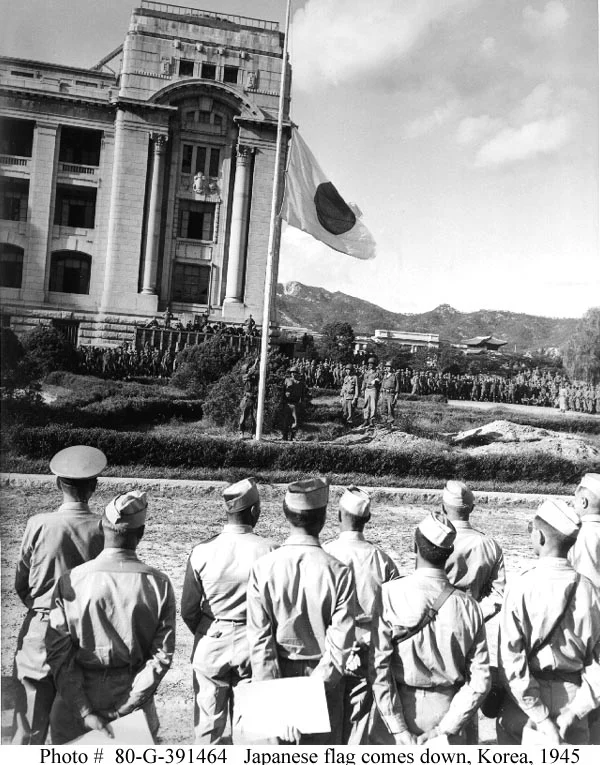
- 1910–1945: The Japanese colonial occupation of the Korean Peninsula. This era catalyzed the use of "Arirang" as a song of resistance and national longing.
- 1950–1953: The Korean War, which resulted in the division of the peninsula along the 38th parallel and established the modern geopolitical deadlock.
- 2012: South Korea successfully petitions UNESCO to include "Arirang" on the Representative List of the Intangible Cultural Heritage of Humanity.
- February 2013: North Korea conducts its third nuclear test, leading to a period of "heightened state of war" and increased rhetoric against the South and the United States.
- August 2013: The unveiling of the Arirang smartphone, signaling a shift toward emphasizing domestic economic and technological achievements alongside military might.
- 2014: In a rare moment of cultural alignment, North Korea also successfully registers "Arirang" with UNESCO, ensuring that the song is recognized as a heritage of both nations.
The Cultural Weight of Arirang: From Folk Song to National Archive
The decision to name a modern communication device after an ancient folk song is a calculated move to tap into the "Han"—a uniquely Korean concept of collective grief, resentment, and hope. "Arirang" is not merely a song; it is a cultural vessel. While its exact origins are debated, with estimates ranging from the Silla Dynasty (57 BCE – 935 CE) to the late 19th century, its significance solidified during the Japanese occupation.
Musically, "Arirang" is characterized by a simple pentatonic scale, making it easy to memorize and sing. Lyrically, most versions tell the story of a traveler crossing the Arirang Pass, leaving behind a loved one. During the early 20th century, the "Arirang Pass" became a metaphor for the hardships of the Korean people under foreign rule. It was a song that could be sung by anyone—farmers, resistance fighters, and laborers—unifying a displaced population.
Scholars describe "Arirang" as a national archive of the Korean psyche. By adopting this name for its flagship technology, the North Korean government is attempting to bridge the gap between traditional heritage and modern aspirations. It positions the state not just as a military power, but as the legitimate guardian of Korean identity.
Regional Comparisons: Technological Rivalry and Cultural Appropriation
The technological landscape of East Asia is defined by intense competition. In South Korea, the "Miracle on the Han River" transformed a war-torn agrarian society into a global tech leader. Samsung’s Galaxy series and Sony’s Xperia line (from Japan) represent the pinnacle of this economic struggle. For North Korea, the Arirang smartphone is a symbolic entry into this arena, even if its market reach is limited to the domestic elite and government officials.

Interestingly, the history of "Arirang" also involves Japan. In the 1930s, the song became a massive hit in mainland Japan, where it was viewed through a lens of exoticism and melancholy. The Japanese fascination with "Arirang" during the colonial period is an early example of cultural appropriation, where the occupier finds aesthetic value in the culture of the occupied. Today, a similar, though more balanced, exchange occurs through the "Hallyu" or Korean Wave.
Despite diplomatic friction over territorial disputes—such as the Liancourt Rocks (known as Dokdo in Korea and Takeshima in Japan)—South Korean pop culture remains immensely popular in Japan. Similarly, reports from defectors and NGOs suggest that South Korean dramas and K-pop are smuggled into North Korea on USB drives, creating a subterranean cultural link that the Pyongyang government struggles to contain. The launch of the Arirang smartphone and the North’s own state-sanctioned pop groups, like the Moranbong Band, can be seen as an "official" response to the infectious influence of Southern culture.
Official Responses and Global Perception
The international response to the Arirang smartphone has been a mix of technical curiosity and political skepticism. Officials in Seoul have often characterized such announcements from the North as propaganda aimed at bolstering internal morale. The South Korean Ministry of Unification frequently monitors these developments, noting that while the North is making strides in IT, it remains decades behind the South in terms of semiconductor manufacturing and software innovation.
Human rights organizations have also weighed in, noting the irony of a "smartphone" in a country where the vast majority of the population does not have access to the global internet. The Arirang phone operates on the "Koryolink" network, a joint venture between North Korea’s Post and Telecommunications Corporation and Egypt’s Orascom Telecom. While users can make calls, send texts, and access the state-run intranet, they are barred from international communication. In this context, the device is seen by some as a sophisticated tool for state surveillance rather than a medium of liberation.
Broader Implications: Culture as a Bridge or a Battlefield
The "Arirang" smartphone serves as a reminder that even in one of the most militarized regions in the world, culture remains a primary battlefield for legitimacy. The shared heritage of the "Arirang" song provides a rare common ground, but it is also a site of competition. When both North and South Korea claim the same cultural symbols, they are essentially arguing over which state truly represents the Korean people.
However, there is a more optimistic interpretation. The fact that the name "Arirang" resonates so deeply in Pyongyang, Seoul, and even Tokyo suggests that there is an underlying aesthetic and emotional unity in the region that persists despite political borders. As the North continues to develop its domestic technology—likely continuing to rely on Chinese components while applying Korean branding—the gap between the "hermit kingdom" and the digital world may slowly narrow.
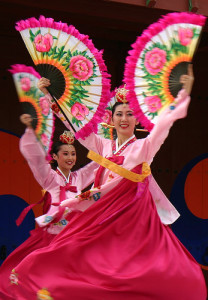
In the long term, the proliferation of mobile technology on the peninsula, even under strict state control, introduces new variables into the inter-Korean relationship. Whether these devices eventually serve as tools for greater connectivity or remain instruments of state-led nationalism remains to be seen. For now, the Arirang smartphone stands as a testament to the enduring power of a folk song to define a nation’s identity, even in the age of the silicon chip. The device is a physical manifestation of a psychological reality: that for Koreans on both sides of the DMZ, the past is never truly gone, and the search for a unified identity continues through every available medium, from the traditional fan dance to the modern smartphone.
Related News