Ten NCT Departs SM Entertainment While Retaining Affiliation with NCT and WayV, Following Mark’s Full Exit
Article Editorial Team
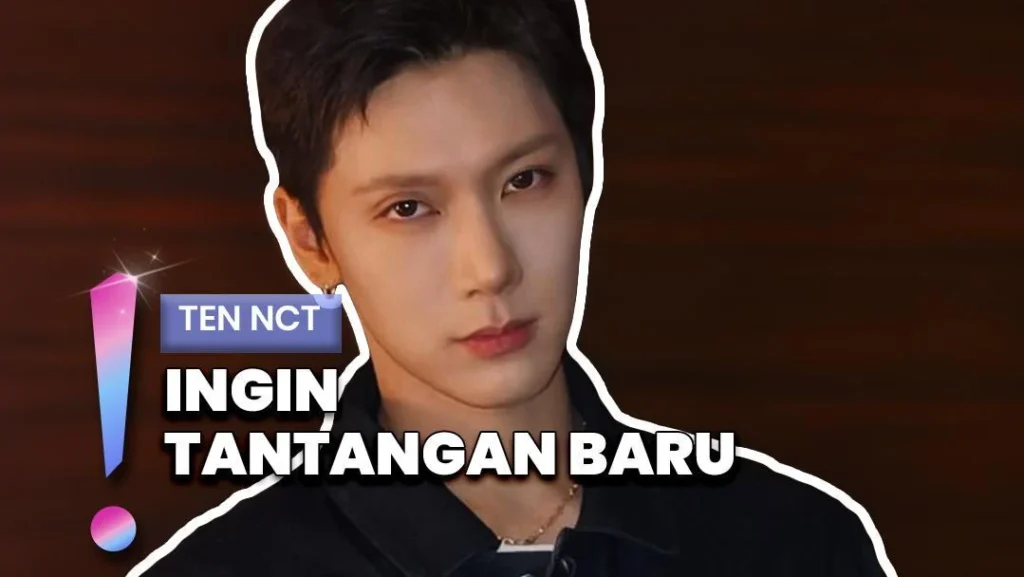
In a significant development for the K-pop industry and particularly for fans of SM Entertainment’s global powerhouse group NCT, Ten, a prominent member of NCT and its sub-unit WayV, officially announced his departure from SM Entertainment. The announcement, made on Tuesday, April 7, 2026, at 12:00 WIB, comes mere days after fellow NCT member Mark declared his complete severance from both NCT and SM Entertainment. While Mark’s decision signifies a full separation from the group’s activities, Ten has confirmed his intention to continue his involvement with NCT and WayV, navigating a new, increasingly common path for established K-pop idols.
The dual announcements have sent ripples through the K-pop community, prompting discussions about artist contracts, agency management strategies, and the evolving dynamics within the industry. Ten’s decision to leave his long-term agency while maintaining his group affiliations represents a growing trend, offering a different precedent compared to Mark’s comprehensive exit. This situation underscores the complex negotiations and personal choices artists face at critical junctures in their careers, particularly after the expiration of standard seven-year contracts.
The Dual Departures: Ten and Mark
The news of Ten’s departure from SM Entertainment arrived with a notable distinction: his unwavering commitment to remain an active member of NCT and WayV. This contrasts sharply with Mark’s earlier announcement, where he communicated his full withdrawal from both SM Entertainment and all NCT activities. Mark’s decision, disclosed on April 3, 2026, marked a definitive end to his tenure under SM’s management and his involvement with the sprawling NCT project, leaving a significant void in units like NCT 127 and NCT Dream, where he held pivotal roles.
Ten, known for his charismatic stage presence and distinct artistic style, has been a central figure in NCT since its inception. His affirmation to continue with NCT and WayV suggests a collaborative arrangement that would allow him to pursue individual endeavors, potentially under a new management agency, while still contributing to the group’s collective output. This model, while challenging to coordinate, offers a potential blueprint for artists seeking greater autonomy without abandoning the groups that launched their careers and built their global fan bases. The specifics of how this multi-agency management for Ten will operate in practice remain to be detailed, but it signals a flexibility that SM Entertainment, a long-standing titan in K-pop, appears willing to entertain.
NCT’s Unique Operational Model and Member Dynamics
To fully grasp the implications of these departures, it is crucial to understand NCT’s unconventional structure. Launched in 2016, NCT, short for Neo Culture Technology, was conceived by SM Entertainment founder Lee Soo-man as a group with an unlimited number of members divided into multiple sub-units based in various cities worldwide. This innovative, albeit complex, concept aimed to create a truly global K-pop brand with interchangeable members, allowing for constant rotation and expansion. Key sub-units include NCT U (rotational), NCT 127 (Seoul-based), NCT Dream (initially youth-focused, now a fixed unit), and WayV (China-focused).
Ten, a Thai national, debuted with NCT U in April 2016 and later became a core member of WayV, which debuted in 2019. He also participated in SuperM, SM Entertainment’s "supergroup" comprising members from various SM groups. His diverse experience across multiple units highlights his versatility and importance to the NCT brand. Mark, a Canadian national, was one of the earliest and most prominent members, debuting with NCT U, NCT 127, and NCT Dream, and also joining SuperM. His ubiquitous presence across NCT’s most active units made him an unofficial leader and a consistent face of the group.
The departures, particularly Mark’s complete exit, challenge the foundational premise of NCT’s "unlimited" and "rotational" system. While the system was designed to accommodate member changes, a full exit of a foundational member like Mark raises questions about the long-term stability and identity of the core units. Ten’s partial departure, however, tests the boundaries of agency-artist relationships within this fluid structure, introducing a new layer of complexity to the already intricate management of NCT.
Ten’s Journey: From Trainee to Global Artist
Chittaphon Leechaiyapornkul, known professionally as Ten, joined SM Entertainment as a trainee in 2013 after participating in the Thai reality show "Teen Superstar." His journey to debut was marked by rigorous training, culminating in his introduction as part of SM Rookies in 2016 before his official debut with NCT U’s "The 7th Sense." Ten quickly established himself as a standout performer, lauded for his exceptional dancing skills, unique vocal tone, and captivating stage presence.
His career trajectory saw him move fluidly between units. After NCT U, he became a core member of WayV, which has carved out a significant niche in the Chinese market and garnered a substantial international following. WayV’s distinct sound and aesthetic, combined with Ten’s artistic contributions, have contributed to its success. Beyond group activities, Ten has also released successful solo tracks, including "New Heroes" (2018), "Paint Me Naked" (2021), and his recent solo mini-album "TEN" (2024), demonstrating his potential as a solo artist. His solo endeavors have been met with critical acclaim and strong fan support, underscoring his individual appeal and artistic maturity. His decision to depart SM Entertainment while remaining with NCT and WayV is likely motivated by a desire for greater creative control and exploration of his individual artistry, a common aspiration for idols reaching this stage of their careers.
Mark’s Pivotal Role in NCT
Mark Lee, another foundational member, joined SM Entertainment in 2010 through the SM Global Audition in Canada. His rapid progression through the trainee system saw him debut across three major NCT units within a year: NCT U (April 2016), NCT 127 (July 2016), and NCT Dream (August 2016). His versatility as a rapper, vocalist, and performer, coupled with his strong leadership qualities, made him an indispensable asset to NCT.
Mark’s consistent presence across different units, often juggling multiple comebacks and promotions simultaneously, cemented his status as one of K-pop’s busiest and most dedicated idols. He was instrumental in shaping the musical identity of NCT 127 and NCT Dream, contributing significantly to their lyrics and overall artistic direction. His solo work, including tracks like "Child" (2022) and collaborations, further showcased his individual talent. Mark’s full departure from both SM Entertainment and NCT signifies a complete break from the framework that defined his career for over a decade. This move suggests a profound shift in his personal and professional trajectory, indicating a desire to forge an entirely new path, possibly under a different agency or as an independent artist, free from the constraints and complexities of a large, multi-unit group system.
The Evolving Landscape of K-Pop Contracts
The announcements from Ten and Mark are not isolated incidents but rather reflective of a broader shift in the K-pop industry regarding artist contracts. Historically, K-pop idols typically sign exclusive seven-year contracts with their agencies. Upon expiration, artists face a critical decision: renew with their original agency, sign with a new one, or pursue independent careers. In recent years, a growing trend has emerged where artists choose to leave their debut agencies but continue group activities, often by forming a separate company for group management or by negotiating intricate multi-agency agreements.
Examples include members of groups like GOT7, most of whom left JYP Entertainment but have managed to release group music and perform together, and several members of EXO, who have pursued solo careers under different labels while maintaining their commitment to EXO’s group activities under SM Entertainment. This evolution is driven by several factors: idols seeking more creative freedom, better financial terms, a desire for specialized management tailored to their individual careers, and most importantly, a deep-seated loyalty to their group members and fan bases. The ability to retain group identity while gaining individual autonomy is a powerful motivator for many idols nearing contract expiration. Ten’s situation perfectly embodies this modern paradigm, while Mark’s complete separation, though less common for such a central figure, highlights an alternative path for artists seeking a clean slate.
SM Entertainment’s Stance and Challenges
For SM Entertainment, these developments present both challenges and opportunities. As one of the "Big 3" K-pop agencies, SM has historically maintained a tight grip on its artists’ careers. The NCT system, with its inherent flexibility, was designed to be resilient to member changes. However, the departure of foundational members like Mark and Ten, even with the latter’s continued group affiliation, necessitates a re-evaluation of management strategies.
While SM Entertainment has yet to release a detailed official statement regarding Ten’s new arrangement, it is anticipated that they will affirm their respect for his decision and reiterate their commitment to supporting NCT and WayV’s ongoing activities. Managing an artist like Ten, who will potentially be under a different agency for his solo work while still participating in SM-managed group activities, will require unprecedented levels of coordination and cooperation between multiple entities. This could involve complex scheduling, profit-sharing agreements, and brand management protocols.
The agency’s ability to adapt to these evolving artist demands will be crucial for its future stability and reputation. The financial implications, while not immediately clear, will certainly be a factor, as will the potential for other long-standing members to follow similar paths as their contracts approach expiration. SM’s stock performance and investor confidence will be closely watched in the wake of these high-profile exits.
Fan Reactions and Industry Watch
The K-pop fan base, particularly NCTzens (NCT fans), reacted to the news with a mix of emotions. Mark’s full departure brought sadness and concern for the future of NCT units, while Ten’s announcement, though initially shocking, was met with a degree of relief and understanding due to his commitment to the group. Social media platforms were abuzz with discussions, trending hashtags, and messages of support for both artists. Fans expressed gratitude for their contributions to NCT and wished them well in their respective new chapters, while also voicing hopes for seamless group activities going forward.
Industry analysts and observers are closely monitoring these situations as potential indicators of future trends. The growing emphasis on artist autonomy and the willingness of major agencies to negotiate hybrid contracts could reshape the standard operating procedures of the K-pop industry. It could empower artists in future contract negotiations and encourage agencies to foster environments that prioritize artist well-being and creative freedom, rather than solely focusing on exclusive control. The precedent set by Ten’s arrangement, in particular, offers a glimmer of hope for fans who wish to see their favorite groups remain intact even as individual members seek new management.
Implications for NCT’s Future and Beyond
The departures of Ten and Mark will undoubtedly have significant implications for NCT. Mark’s complete exit necessitates a re-structuring of key units, particularly NCT 127 and NCT Dream, where his rapping and leadership were integral. The remaining members will need to adapt, and SM Entertainment may introduce new strategies to fill the void, potentially through new member additions or a reallocation of roles among existing members.
For WayV, Ten’s continued involvement is a positive sign, ensuring the unit retains one of its most popular and distinctive members. However, the logistics of coordinating his schedule between a new potential agency and SM Entertainment will be a constant challenge. This could lead to periods of reduced activity for Ten within WayV or require highly organized, advance planning for group comebacks and tours.
More broadly, these events signal a maturation of the K-pop industry. Artists, having cultivated immense global fan bases and established their artistic identities, are increasingly asserting their agency. The traditional model of absolute agency control is gradually giving way to more flexible and artist-centric arrangements. This shift, while potentially introducing logistical complexities, ultimately benefits the artists by offering them greater control over their careers and creative output, and potentially benefits fans by allowing beloved groups to maintain their identity and continue performing together for longer periods. The cases of Ten and Mark serve as a potent reminder that the K-pop landscape is dynamic, constantly evolving, and driven by the choices of its most influential stars.
Related News