The Aesthetics of Conformity: Examining the Intersection of Plastic Surgery and Societal Pressure in South Korea’s Entertainment Industry
Article Editorial Team
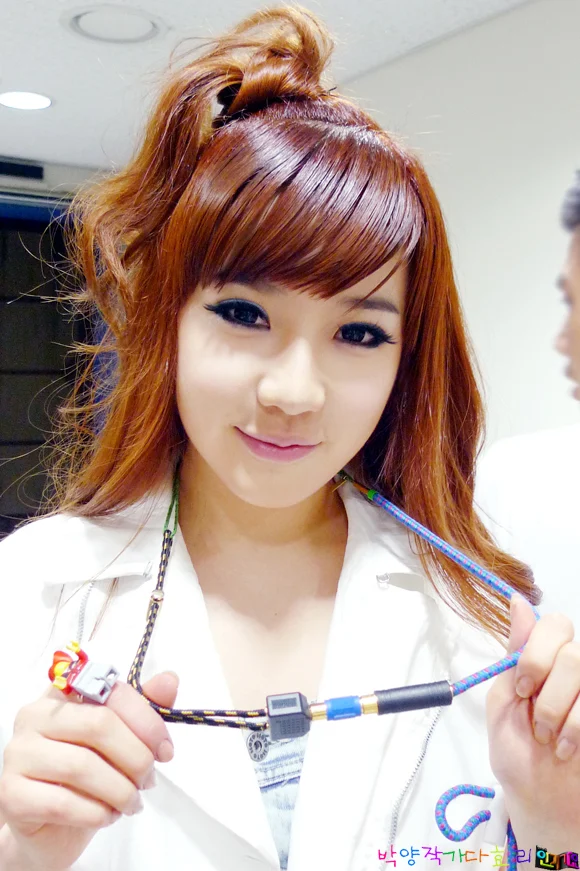
The prevalence of cosmetic surgery within South Korea’s entertainment sector has long been a subject of intense public scrutiny, serving as a focal point for broader discussions regarding beauty standards and societal expectations. In an industry where visual presentation is often prioritized alongside talent, the line between personal choice and professional necessity has become increasingly blurred. From the digital footprints of search engine algorithms—where celebrity names are frequently tethered to queries regarding "before and after" transformations—to the analytical discussions on online community boards, the physical evolution of public figures remains a central pillar of K-entertainment discourse.
While the topic is often treated with a degree of levity or dismissed as an inevitable byproduct of fame, the underlying implications reflect a complex socio-economic reality. The normalization of surgical enhancement is not merely a trend within the idol industry; it is a manifestation of a cultural environment where "lookism"—discrimination based on physical appearance—plays a significant role in both social mobility and professional success.
The Cultural Landscape of Cosmetic Enhancement
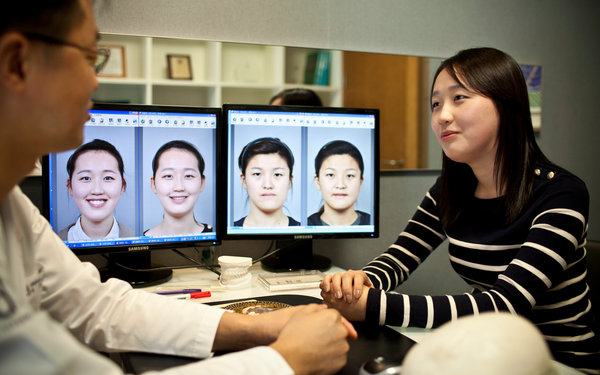
South Korea has established itself as a global leader in aesthetic medicine, with the highest rate of plastic surgery procedures per capita in the world. According to data from the International Society of Aesthetic Plastic Surgery (ISAPS), the nation consistently ranks at the top for procedures such as blepharoplasty (double eyelid surgery) and rhinoplasty. This medical phenomenon is geographically concentrated in Seoul’s Gangnam District, specifically within the Apgujeong and Sinsa-dong neighborhoods, an area frequently referred to as the "Beauty Belt." This district houses hundreds of specialized clinics, creating a multi-billion dollar industry that attracts both domestic patients and international medical tourists.
In the context of the K-pop industry, the pressure to conform to a specific "visual" standard is immense. While many celebrities have historically denied undergoing procedures, often citing weight loss or maturation, the narrative has shifted in recent years. Figures such as Hyorin of the group SISTAR have openly admitted to procedures like double eyelid surgery, while others, like solo artist G.NA, have stepped forward to defend the practice as a matter of personal autonomy and psychological well-being.
The G.NA and Lee Yoon-suk Debate: Personal Autonomy vs. Marital Oaths
A significant moment in the public discourse occurred during a televised exchange between soloist G.NA and comedian Lee Yoon-suk. The debate was sparked by Lee’s voiced disapproval of his wife potentially seeking plastic surgery, which he characterized as a "violation of [their] marriage oath." Lee argued against the notion that surgery is a tool for self-improvement, suggesting that if a partner finds their spouse "perfect," there should be no external need for alteration.

In response, G.NA offered a defense of surgical enhancement rooted in the concepts of "personal satisfaction and happiness." She illustrated her point by referencing her grandfather’s experience with hair transplants, noting a marked increase in his self-esteem and overall temperament following the procedure. G.NA’s argument posited that improving one’s appearance can serve as a critical boost to mental health and self-worth. However, the debate also highlighted the gendered frustrations inherent in these discussions, as G.NA eventually expressed exasperation at the perceived inability of men to understand the external pressures placed upon women to maintain a certain standard of beauty.
The Miss Daegu Controversy: The "Clone" Phenomenon
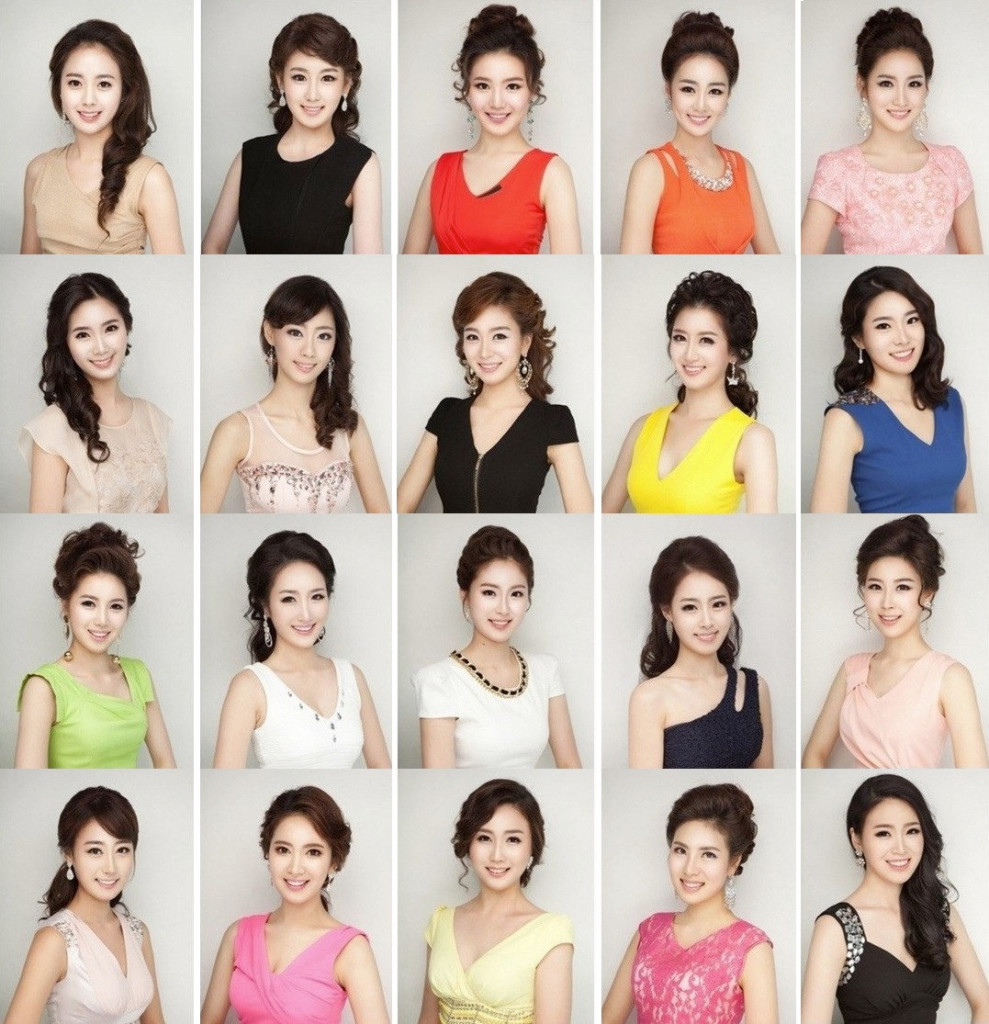
The tension between individual choice and societal conformity reached a fever pitch during the 2013 Miss Korea pageant cycle, specifically regarding the candidates for Miss Daegu. When the official portraits of the twenty candidates were released, they sparked an international viral sensation—not for their beauty, but for their striking similarity to one another. Critics and netizens pointed out that the candidates appeared to be "clones," sharing nearly identical features: large, almond-shaped eyes with pronounced double eyelids, high and narrow nose bridges, porcelain skin, and the "V-line" jaw shape that has become the hallmark of the South Korean aesthetic ideal.
This incident served as a stark visual representation of how standardized beauty has become in the region. While each contestant was an individual seeking to represent her city, the collective result of their surgical and cosmetic choices suggested a singular, manufactured template of perfection. The controversy raised fundamental questions: If beauty is defined by a specific set of surgically attainable traits, does the concept of "natural beauty" retain any value? Furthermore, does the decision to undergo surgery remain "personal" when the end goal is to look exactly like everyone else?

The Economic and Social Drivers of "Lookism"
The drive for cosmetic enhancement in South Korea is fueled by more than just vanity; it is often a pragmatic response to a competitive job market. The term oemo-jisang-juui (lookism) describes a society where physical appearance is considered a legitimate credential. It is common practice for South Korean resumes to require a photograph, and many job seekers believe that a more "favorable" appearance will grant them an edge in interviews.
In this environment, plastic surgery is frequently viewed as an investment in one’s future. Parents often gift double eyelid surgery to their children as a high school graduation present, viewing it as a necessary tool for their transition into adulthood and the professional world. When the media and entertainment industries exclusively promote a specific facial structure, they reinforce the idea that those who do not fit the mold are "deficient" or in need of "correction."
The Role of Media and the Absence of Counter-Narratives
One of the most significant factors in the normalization of plastic surgery is the lack of diverse representations of beauty in South Korean media. Unlike Western media markets, which have seen a rise in "body positivity" movements and the celebration of unconventional features, the South Korean industry remains largely homogenous.
Celebrities who do not fit the traditional beauty standards are frequently relegated to comedic roles. Figures such as gagwomen Kim Shin-young and Jung Ju-ri are often the subjects of humor based on their appearance, creating a dichotomy where "beautiful" people are the protagonists of dramas and romances, while those with "natural" or "average" features are used for comic relief. This media onslaught practically glorifies the surgical "ideal," making it the only visible path to social and professional validation.
The industry also places a premium on "natural beauty," yet the definition is often paradoxical. A celebrity who is revealed to be a "natural beauty" (someone who has not had surgery) is celebrated as a rarity, yet the features they are praised for are the very same ones that surgeons strive to recreate. This creates an environment where the result—the "ideal" face—is more important than the process used to achieve it, even as the public maintains a lingering stigma against the "plastic" look.
Analysis of Implications and Future Trends
The cycle of surgical conformity in South Korea presents a complex challenge for the next generation. The glorification of a manufactured ideal by pop culture places inordinate pressure on individuals to undergo increasingly risky procedures, such as double-jaw surgery (orthognathic surgery), which was originally developed for functional corrections but is now frequently used for purely aesthetic "face-slimming" purposes.

However, there are signs of a burgeoning shift in the narrative. Some groups, such as the Brown Eyed Girls, have used their platform to speak candidly and humorously about their surgical journeys, stripping away some of the secrecy and shame. Additionally, younger generations are beginning to engage in "escape the corset" movements, challenging the rigid grooming and beauty standards imposed upon women.
For the impact of these counter-narratives to be meaningful, the South Korean media must make room for a broader spectrum of voices. The current structure, which favors a singular type of beauty, effectively makes the decision to undergo surgery a societal mandate rather than a personal choice. Until alternative forms of beauty are celebrated with the same fervor as the "Gangnam ideal," the pressure to conform will likely remain a dominant force in South Korean life.
In conclusion, while the defense of plastic surgery as a tool for personal happiness—as argued by G.NA—is valid on an individual level, it cannot be separated from the systemic pressures that drive it. The "clone" controversy of Miss Daegu and the pervasive "lookism" in the job market suggest that when an entire society moves toward a single aesthetic standard, the concept of "personal satisfaction" becomes inextricably linked to societal acceptance. The future of South Korean beauty standards will depend on whether the culture can move toward a more inclusive definition of attractiveness that values diversity over conformity.
Related News