The Arirang Smartphone and the Cultural Paradox of the Korean Peninsula: A Nexus of Technology, History, and Identity
Article Editorial Team
The unveiling of the Arirang smartphone by the Democratic People’s Republic of Korea (DPRK) represents more than a mere addition to the global telecommunications market; it serves as a profound intersection of modern technology, nationalist propaganda, and a shared cultural heritage that predates the division of the Korean Peninsula. While military tensions between North and South Korea remain a defining feature of regional geopolitics, the branding of this "homegrown" device after the traditional folk song "Arirang" offers a rare glimpse into the socio-cultural fabric that continues to bind the two nations. This move by Pyongyang highlights a sophisticated use of cultural symbols to bolster national pride while simultaneously highlighting the complex relationship both Koreas maintain with their history, their neighbors, and the globalized world of information technology.
The Arirang Smartphone: Technical Specifications and Political Symbolism
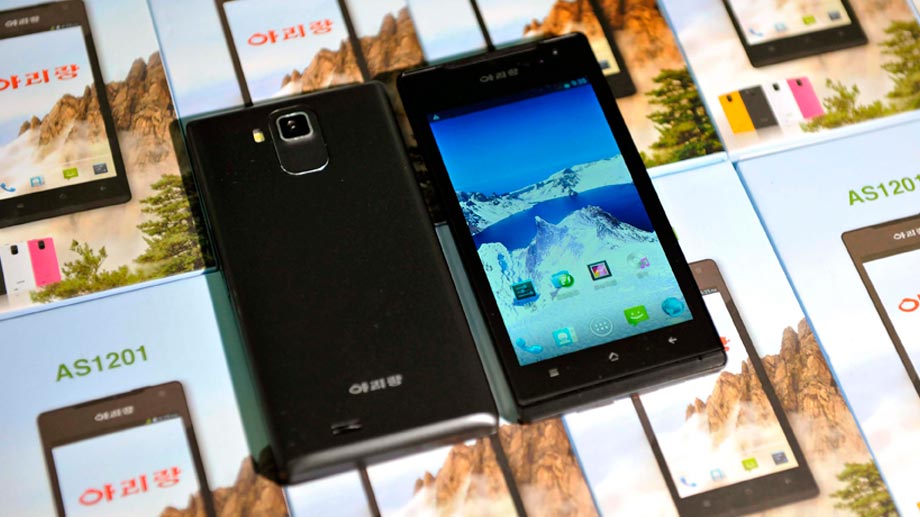
In August 2013, North Korean state media, the Korean Central News Agency (KCNA), released images of leader Kim Jong-un visiting the "May 11 Factory," where the Arirang smartphone, reportedly the nation’s first such device, was being produced. During the visit, Kim Jong-un praised the "creative ingenuity and patriotic enthusiasm" of the workers, emphasizing the importance of manufacturing goods with "DPRK brands."
Technical analysts and international observers, however, have expressed significant skepticism regarding the device’s origins. Independent evaluations suggest the Arirang AS1201 is likely a rebranded version of the Uniscope U70, a Chinese-manufactured smartphone. Evidence suggests that while the final packaging and software adjustments may occur within North Korean borders, the hardware components and assembly likely originate in China. Despite these technical caveats, the symbolic weight of the device cannot be overstated. By naming the phone "Arirang," the North Korean government has tapped into a reservoir of collective memory that resonates across the 38th parallel.
The device itself features a touch-screen interface, a camera described by state media as having "high pixels," and an operating system based on a modified version of Android. For the North Korean leadership, the Arirang smartphone is a tool of "Juche" (self-reliance), intended to demonstrate that the North can compete in the high-tech arena, even if the underlying infrastructure remains heavily dependent on foreign partners.
The Cultural Significance of the Song Arirang
To understand why the name "Arirang" was chosen, one must look back at the song’s unique position in Korean history. "Arirang" is often referred to as the "unofficial national anthem" of both North and South Korea. In 2012, following a concerted effort by the Republic of Korea (ROK) government, the song was inscribed on UNESCO’s Representative List of the Intangible Cultural Heritage of Humanity. North Korea followed suit, securing its own UNESCO listing for the song in 2014.
Musically, "Arirang" is a simple folk song, typically utilizing a pentatonic scale. Its lyrics vary by region—with versions such as the Jindo Arirang, Miryang Arirang, and Jeongseon Arirang—but they generally revolve around the theme of a traveler crossing the "Arirang Pass." While the lyrics are often described as nonsensical or melancholic, the song embodies the Korean concept of Han—a collective feeling of sorrow, regret, and resentment transformed into a resilient hope.
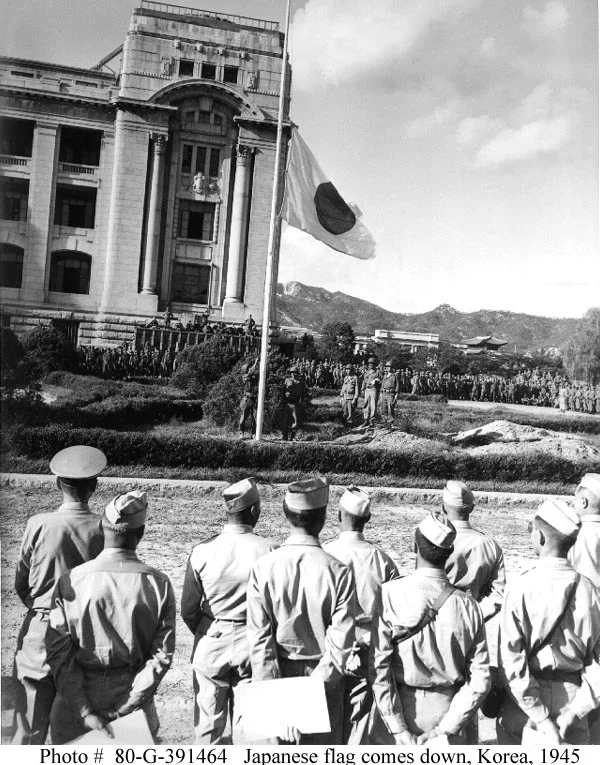
The song’s rise to prominence is intrinsically linked to the Japanese colonial occupation (1910–1945). During this period, "Arirang" became a symbol of national resistance and identity. It provided a shared language for a people whose culture was being systematically suppressed by the Japanese Empire. Scholars note that before the occupation, the song was one of many regional folk tunes; however, the trauma of colonization galvanized it into a "national archive" of Korean emotion.
A Chronology of Conflict and Cultural Cohesion
The history of the Korean Peninsula is marked by a series of transformative events that have shaped the modern identity of both North and South.
- 1910–1945: Japanese Occupation. The peninsula is annexed by the Japanese Empire. "Arirang" gains popularity as a song of mourning and resistance.
- 1945: Liberation and Division. Following Japan’s defeat in World War II, the peninsula is divided along the 38th parallel into Soviet and U.S. zones of influence.
- 1950–1953: The Korean War. A devastating conflict that ends in an armistice rather than a peace treaty, leaving the two nations in a technical state of war.
- 1960s–1990s: Economic Divergence. South Korea undergoes the "Miracle on the Han River," becoming a global tech giant, while North Korea adheres to a command economy and Juche ideology.
- 2012: UNESCO Recognition. South Korea successfully petitions for "Arirang" to be recognized as global cultural heritage.
- 2013: The Arirang Smartphone. North Korea launches its first smartphone, utilizing the song’s name to project a modern, self-reliant image.
The Paradox of Cultural Appropriation: Japan and Arirang
An intriguing chapter in the song’s history is its popularity in mainland Japan during the 1930s. Despite the brutal nature of the occupation, "Arirang" became a hit among Japanese audiences. This phenomenon represents a complex cultural paradox: the Japanese public consumed and appreciated the aesthetic beauty of Korean culture even as their government sought to dismantle Korean sovereignty.

To the Japanese of the early 20th century, the song represented a sense of nostalgia for a simpler, more agrarian past—a sentiment often projected onto colonized peoples. Today, a similar paradox exists in the relationship between the two Koreas and Japan. While diplomatic relations are frequently strained by territorial disputes—such as the disagreement over the Liancourt Rocks (Dokdo/Takeshima)—and historical grievances, cultural exchange continues to thrive.
Hallyu and the Modern Digital Battlefield
The launch of the Arirang smartphone occurs against the backdrop of the "Hallyu" (Korean Wave), the global explosion of South Korean pop culture. K-Pop and K-Dramas have become significant "soft power" tools for Seoul, reaching audiences not only in the West but also in Japan and, clandestinely, North Korea.
Reports from defectors and humanitarian organizations suggest that illegal copies of South Korean media are highly sought after in the North, smuggled across the border on USB drives and DVDs. In response, the North Korean state has attempted to create its own versions of modern pop culture, such as the Moranbong Band—an all-female group that blends traditional themes with Western-style pop instrumentation and stage production.
The naming of the Arirang smartphone can be seen as a defensive move in this cultural war. By co-opting the most recognizable symbol of Korean identity for a piece of modern hardware, Pyongyang is attempting to reclaim the narrative of "Koreanness" from the South’s high-tech, capitalist image. It is an effort to show the domestic population that they do not need to look south for modern conveniences; the "Arirang" of the North is sufficient.
Economic Implications and Global Competition
The introduction of the Arirang smartphone also highlights the intense economic competition defining the East Asian region. South Korea is home to Samsung and LG, titans that dominate the global smartphone market. For North Korea, the Arirang phone is a symbolic entry into a field where its southern rival is a world leader.
Furthermore, the competition extends to Japan, where companies like Sony have historically struggled to maintain their lead against South Korean innovation. The tech industry has become the new frontline of nationalistic competition. In this environment, branding is essential. While Samsung uses a name that suggests "three stars" (longevity and power), North Korea’s choice of "Arirang" focuses on heritage and emotional connection.
Analysis: The Future of Shared Identity
The existence of the Arirang smartphone, despite the likely foreign origin of its components, serves as a reminder that the two Koreas are engaged in a constant struggle over the soul of the peninsula. Both states claim to be the true successor of the Korean legacy, and both use "Arirang" to validate that claim.
However, there is a deeper implication. The fact that a folk song from the 19th century—or earlier—can be used to market a 21st-century smartphone suggests that cultural identity is more durable than political ideology. Whether it is a South Korean singer performing a modern arrangement of the song at a global summit or a North Korean worker assembling a smartphone of the same name, the underlying cultural anchor remains the same.
The Arirang smartphone is a piece of technology, but it is also a cultural artifact. It reflects a nation’s desire to be seen as modern while remaining tethered to its roots. It also highlights a fundamental truth about the region: despite the DMZ, the sanctions, and the rhetoric, there remains a shared aesthetic and emotional vocabulary. If a song can survive colonial occupation, war, and national division to become the name of a smartphone, it suggests that the cultural commonalities between North and South Korea may eventually prove more influential than the political forces that currently keep them apart.
Related News