The Arirang Smartphone and the Cultural Tapestry of the Korean Peninsula A Bridge Over Geopolitical Divides
Article Editorial Team
The unveiling of the Arirang smartphone by the Democratic People’s Republic of Korea (DPRK) marks a significant moment where modern information technology intersects with deep-seated nationalist sentiment. While the device itself represents a modest step in mobile hardware for the North, its naming convention—drawing from the ancient and beloved folk song "Arirang"—serves as a poignant reminder of the shared cultural heritage that persists despite decades of military tension and political division. This development occurs against a backdrop of heightened regional friction, where the rivalry between North and South Korea manifests not only in military posturing but also in economic competition and the soft power of cultural exports.
The Unveiling of the Arirang AS1201
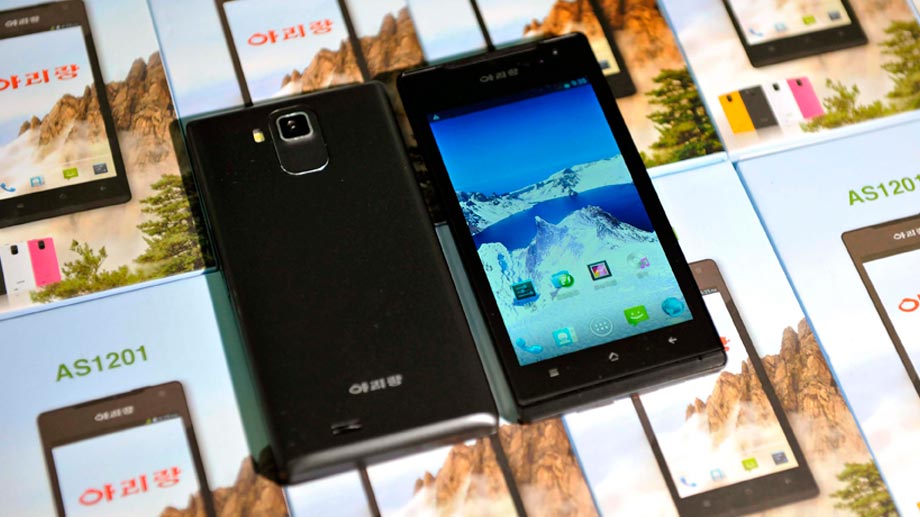
In August 2013, North Korean state media released images of leader Kim Jong-un visiting a manufacturing facility, later identified as the "May 11 Factory." During this visit, the leader inspected the "Arirang," the nation’s first officially sanctioned smartphone. Named after a traditional folk song that is considered the unofficial anthem of the entire Korean peninsula, the device was praised by state officials for its "high pixels" and its role in fostering national pride.
Technical analysis by international experts suggests that the Arirang AS1201 is likely a rebranded version of a Chinese-made handset, specifically the Uniscope U70. Despite claims of domestic production, observers noted that the factory visit showed workers inspecting finished products rather than engaging in complex assembly or component manufacturing. The phone runs a modified version of the Android operating system, though it is heavily restricted to prevent access to the global internet, instead connecting to the DPRK’s domestic intranet, Kwangmyong.
The choice of name, however, is far more significant than the hardware specifications. By branding their flagship mobile device "Arirang," the North Korean government tapped into a reservoir of emotional and historical resonance that predates the 1945 division of the peninsula.
The Historical Weight of Arirang
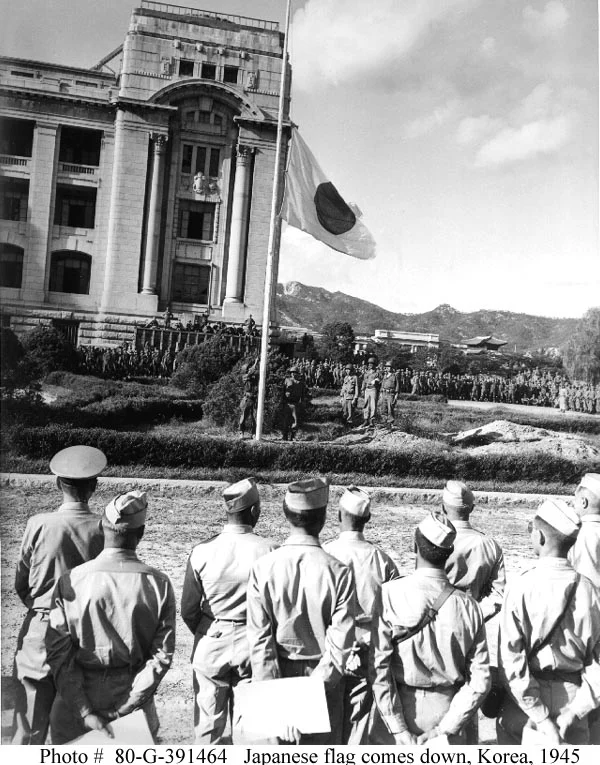
To understand why the name "Arirang" carries such weight, one must examine the history of the Korean peninsula during the 20th century. For centuries, "Arirang" existed as a simple folk song with numerous regional variations. However, it transitioned from a local melody to a symbol of national resistance during the Japanese colonial occupation (1910–1945).
Historians note that the song’s popularity surged following the 1926 release of the silent film Arirang, directed by Na Woon-gyu. The film, which depicted the struggles of a Korean family under oppressive rule, used the song to evoke a sense of "Han"—a uniquely Korean concept of collective sorrow, resentment, and hope. During this era, "Arirang" became a coded anthem of defiance against the Japanese Empire. Because the lyrics were often seen as nonsensical or focused on a personal parting at a mountain pass, they frequently bypassed the censors of the occupation forces, even as they stirred nationalist fervor among the Korean population.
Following the end of World War II and the subsequent division of Korea into the North and South, both regimes claimed "Arirang" as their own. In the South, it remains a cultural touchstone, while in the North, it has been incorporated into massive state performances, most notably the "Arirang Mass Games," one of the largest choreographed spectacles in the world.
A Comparative Study of National Anthems
While "Arirang" holds the emotional heart of the people, the official national anthems of the two Koreas tell a story of divergent political paths. South Korea’s official anthem, "Aegukga" (The Song of Love for Country), is a Western-style orchestral piece characterized by its use of brass and its bombastic, patriotic tone. It was officially adopted in 1948, though its lyrics date back to the late 19th century.
In contrast, North Korea also has an anthem titled "Aegukga," though the melody and lyrics differ significantly, focusing on the beauty of the land and the revolutionary spirit of the workers. Despite these official songs, "Arirang" remains the only piece of music that can be sung by citizens of both nations with equal fervor. Its importance was formalized on the international stage in 2012 when, following a concerted effort by the South Korean government, "Arirang" was added to UNESCO’s Representative List of the Intangible Cultural Heritage of Humanity. Interestingly, North Korea followed suit, successfully applying for its own version of "Arirang" to be recognized by UNESCO in 2014, highlighting the song as a rare point of consensus.

Chronology of Cultural and Political Tensions
The timeline of the Korean peninsula over the last century illustrates a cycle of external aggression followed by internal fragmentation:
- 1910–1945: Japanese Colonial Rule. "Arirang" emerges as a symbol of identity and resistance.
- 1931: "Arirang" becomes an unexpected hit in mainland Japan, signaling the song’s ability to transcend political boundaries through its melancholic aesthetic.
- 1945: Liberation from Japan followed by the division of the peninsula into Soviet and American spheres of influence.
- 1950–1953: The Korean War. The conflict cements the division and leads to a permanent state of military readiness.
- 2002: The first "Arirang" Mass Games are held in Pyongyang, utilizing the song’s name for state propaganda.
- 2012: UNESCO recognizes "Arirang" as a piece of Intangible Cultural Heritage for the Republic of Korea (South).
- 2013: North Korea launches the Arirang smartphone, signaling an attempt to modernize while maintaining a firm grip on national identity.
- 2014: UNESCO recognizes "Arirang" for the Democratic People’s Republic of Korea (North).
The Modern Economic and Soft Power Rivalry
The competition between the two Koreas has evolved beyond the demilitarized zone (DMZ) and into the global marketplace. South Korea has become a global leader in technology and culture, driven by conglomerates like Samsung and LG, and the global phenomenon of the "Hallyu" (Korean Wave).
The Arirang smartphone is, in many ways, a defensive response to the ubiquity of South Korean technology. While Samsung’s Galaxy series dominates the global market, North Korea seeks to provide its elite citizens with a domestic alternative that discourages the smuggling of South Korean devices. However, the influence of Southern culture remains pervasive. Reports from defectors and humanitarian organizations suggest that illegal copies of K-dramas and K-pop are widely consumed in the North, despite the risk of severe punishment.
This cultural exchange is not a one-way street. In Japan, despite ongoing diplomatic disputes with South Korea over the Liancourt Rocks (known as Dokdo in Korea and Takeshima in Japan) and historical grievances, South Korean pop culture remains immensely popular. This mirrors the 1930s phenomenon where Japanese audiences embraced "Arirang" even as their government suppressed Korean sovereignty. It suggests a "shared aesthetic" of East Asia that persists even when political relations are at their lowest ebb.
Analysis of Implications
The launch of the Arirang smartphone and the continued prominence of the song it is named after offer several key insights into the current state of the Korean peninsula:
1. Technology as a Tool for Legitimacy
For the North Korean regime, the Arirang phone is less about technological parity and more about domestic legitimacy. By associating the Kim Jong-un leadership with "high-tech" advancements and a beloved national symbol, the state reinforces the narrative of self-reliance (Juche). It allows the government to claim that it is providing its citizens with modern amenities comparable to those in the South, albeit within a controlled environment.
2. The Persistence of Cultural Unity
The fact that both North and South Korea utilize "Arirang" as a primary symbol of their heritage indicates that the cultural fabric of the peninsula remains intact, even if the political structure is severed. In international sporting events, such as the Olympics or the World Cup, when the two Koreas have occasionally marched together, "Arirang" is often played instead of a national anthem to avoid political friction.
3. The Paradox of Regional Hostility and Cultural Consumption
The popularity of Korean culture in Japan and the clandestine popularity of South Korean culture in the North demonstrate that music and media can bypass traditional diplomatic barriers. This "soft power" creates a shared language of emotion and entertainment that, while not enough to resolve military conflicts, maintains a level of human connection between populations that are otherwise estranged.
Conclusion
The Arirang smartphone is a curious artifact of the 21st century—a device that embodies the isolation of the North Korean state while simultaneously paying homage to a song that represents the unity of the Korean people. As the peninsula remains locked in a state of "frozen conflict," the "Arirang" name continues to serve as a bridge. It is a reminder of a past before the DMZ and a potential symbol for a future where cultural commonalities might eventually outweigh political differences. While the technology within the Arirang phone may soon become obsolete, the 1,000-year-old melody it is named after remains as relevant as ever, echoing the complex, sorrowful, and resilient spirit of the Korean people.
Related News