The Beatles Lead All Acts with 20 Billboard Hot 100 No. 1 Hits
Article Editorial Team
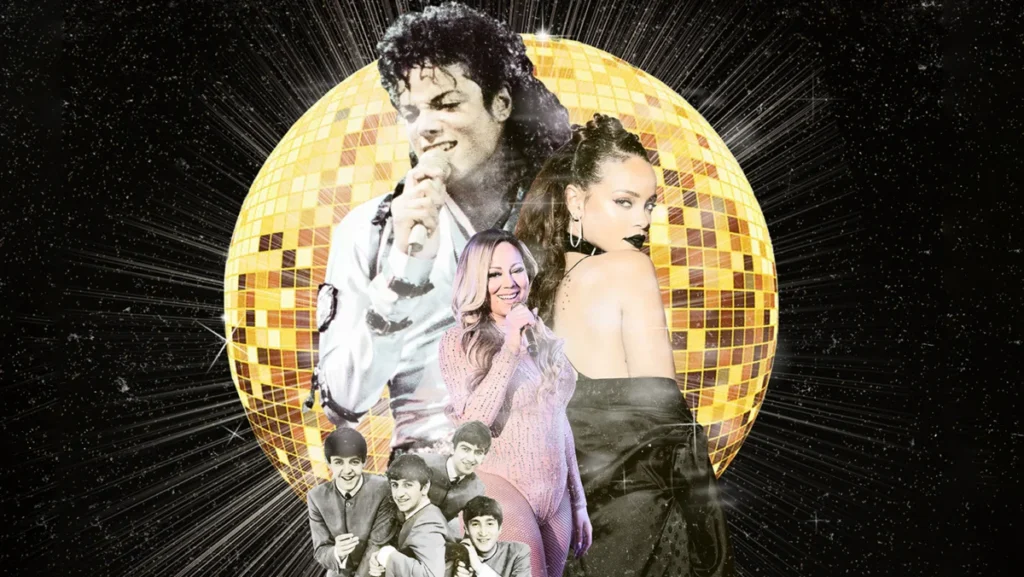
In the storied history of the Billboard Hot 100, a benchmark of musical achievement and popular appeal for over six decades, only a select cadre of artists have managed to ascend to the pinnacle of the charts. Out of more than 32,000 songs that have graced the prestigious ranking since its inception, a mere 1,193 have reached the coveted number one spot. This remarkable statistic, reflecting less than 4% of all charted songs, underscores the extraordinary difficulty in achieving even a single week at the top. Yet, some artists have not only reached this summit but have done so repeatedly, carving their names into the annals of music history. Among these titans of the charts, The Beatles stand unequivocally supreme, boasting an unparalleled 20 No. 1 hits on the Billboard Hot 100. This monumental achievement has solidified their position as the undisputed kings of the chart, a reign they have held since 1965, when they surpassed the legendary Elvis Presley for the record.

A Legacy of Chart Dominance
The Beatles’ consistent presence at the top of the Billboard Hot 100 is a testament to their enduring musical prowess and their profound impact on global culture. From their explosive arrival on the American music scene in the early 1960s, the Fab Four consistently delivered hits that resonated with millions, dominating airwaves and sales charts alike. Their twenty No. 1 singles represent a diverse collection of iconic songs that continue to be celebrated and discovered by new generations of music lovers. This level of sustained success is not merely a statistical anomaly; it reflects a period of unprecedented creative output and a deep connection with their audience that few artists have ever achieved.

The Elite Club of Multi-Chart Toppers
The exclusivity of reaching the Billboard Hot 100 summit is further highlighted by the fact that only 13 artists have ever managed to secure 10 or more No. 1 hits in their careers. This elite group is comprised of 11 solo acts and two groups, with The Beatles standing alone with their record-breaking twenty. The sheer magnitude of this achievement becomes clearer when examining those who fall just shy of this distinguished tier. The Bee Gees, Beyoncé, Elton John, Katy Perry, Paul McCartney (both solo and with Wings), and Usher have all accumulated nine No. 1 singles. Close behind them, Justin Bieber, George Michael (excluding his work with Wham!), and The Rolling Stones each boast eight chart-topping hits.

The King of Rock and Roll’s Unique Chart Position
Elvis Presley, a figure synonymous with the dawn of rock and roll and a monumental force in popular music, occupies a unique position in the Billboard Hot 100’s history. While he is notably absent from the 10-No. 1 club, his seven No. 1 hits in the Hot 100 era are still an impressive feat. The reason for his exclusion from the double-digit club is rooted in the very timeline of the chart itself. Presley’s meteoric rise to fame predates the official launch of the Billboard Hot 100 on August 4, 1958. Consequently, many of his most iconic and groundbreaking hits, such as "Don’t Be Cruel," "Hound Dog," and "Jailhouse Rock," were released and achieved massive success before the Hot 100 as we know it existed.

Despite this temporal quirk, Presley’s impact on the Hot 100 era is undeniable. During the chart’s existence, he continued to deliver chart-topping singles, including "A Big Hunk O’ Love," "Stuck on You," "It’s Now or Never," "Are You Lonesome Tonight?," "Surrender," "Good Luck Charm," and "Suspicious Minds." These seven No. 1s in the Hot 100 era alone demonstrate his continued dominance even after the chart’s establishment, solidifying his status as a foundational artist in American popular music. The comparison between Presley and The Beatles in terms of chart performance often sparks discussion about the evolution of the music industry and how different eras influenced chart dynamics.

A Deeper Dive into the Numbers
The Billboard Hot 100, established in 1958, revolutionized the way popular music was tracked and recognized. Prior to its creation, various charts existed, but the Hot 100 consolidated data from radio airplay, sales, and, later, streaming, to provide a comprehensive ranking of the week’s most popular songs. The Beatles’ journey to 20 No. 1 hits is a narrative woven through the fabric of the Hot 100’s evolution. Their first chart-topper was "I Want to Hold Your Hand" in February 1964, marking the beginning of a remarkable run. Their ability to consistently produce songs that captivated the public imagination, coupled with innovative marketing and a fervent global fanbase, propelled them to this unprecedented milestone.

The year 1965 marked a significant turning point, as The Beatles overtook Elvis Presley’s previous record for the most No. 1 singles. This transition symbolized a shift in the musical landscape, with the British Invasion firmly establishing its dominance. The Beatles’ ability to adapt and evolve their sound throughout their career, from their early pop sensibilities to their more experimental and sophisticated later works, ensured their continued relevance and chart success. Songs like "Help!," "Yesterday," "Eleanor Rigby," "Penny Lane," "All You Need Is Love," and "Hey Jude" are just a few examples of the diverse range of their chart-topping material.

The Significance of Sustained Success
Achieving a single No. 1 hit is a monumental accomplishment for any artist, often representing the peak of their career. However, the artists who consistently return to the top demonstrate a rare combination of artistic merit, market appeal, and a deep understanding of their audience. The 13 artists who have achieved 10 or more No. 1s on the Hot 100 are, in essence, the architects of modern popular music. Their sustained success speaks to their ability to not only create timeless music but also to navigate the ever-changing currents of the music industry.

The analysis of these chart-topping artists also reveals interesting patterns. For instance, the prevalence of solo artists in the top tier, such as Mariah Carey (who holds the record for the most No. 1s by a solo artist with 19) and Madonna (with 12), highlights the power of individual artistic vision and persona in driving chart success. The inclusion of groups like The Beatles and, historically, The Supremes (who also had 12 No. 1s) demonstrates the collective power of cohesive musical units.

Looking Ahead: The Future of Chart Dominance
While The Beatles’ record of 20 No. 1 hits on the Billboard Hot 100 may seem insurmountable, the music industry is a dynamic entity. The rise of streaming has fundamentally altered how music is consumed and how charts are compiled. Newer artists have the potential to achieve rapid chart success through viral trends and massive digital followings. However, the enduring legacy of artists like The Beatles suggests that timeless songwriting, innovative artistry, and a genuine connection with the audience will always hold a significant place in the pursuit of chart supremacy.

The Billboard Hot 100 continues to serve as a vital barometer of popular taste, reflecting the cultural zeitgeist of each era. The artists who have achieved multiple No. 1s are not just musicians; they are cultural icons whose work has shaped the soundtrack of our lives. The Beatles’ unparalleled achievement serves as a powerful reminder of their indelible mark on music history and their enduring status as one of the most influential and successful acts of all time. Their twenty No. 1 hits stand as a testament to their unparalleled artistry and their profound, lasting impact on the global music landscape.

The ongoing relevance of The Beatles’ discography, even decades after their breakup, is a remarkable phenomenon. Their music continues to be streamed, purchased, and discovered by new audiences, demonstrating a timeless appeal that transcends generational divides. This sustained engagement is a crucial factor in their continued chart presence and their ability to hold onto such a significant record. The Billboard Hot 100, by its very nature, is a snapshot of current popularity, but the enduring power of certain artists allows their impact to resonate far beyond any given week. The Beatles’ twenty No. 1s are not just statistics; they are markers of an era-defining musical force that continues to inspire and captivate.
Related News