The Chaebol Paradox Examining the Economic Engines and Societal Divisions of South Koreas Corporate Giants
Article Editorial Team

In the landscape of global commerce and popular culture, few entities carry as much weight, both economically and symbolically, as the South Korean chaebol. To the international audience, the word is often synonymous with the "rich boy" trope of Korean television dramas—the impeccably dressed, often arrogant heir to a multi-billion dollar fortune who navigates boardroom politics and star-crossed romances. However, beneath the polished veneer of television fiction lies a complex, multi-generational economic structure that serves as both the backbone of the South Korean economy and one of its most contentious social issues. A chaebol, a term derived from the Korean words for "wealth" (chae) and "clan" (beol), refers to the large, family-owned business conglomerates that dominate the nation’s industrial landscape. While their role in transforming South Korea from a war-torn agrarian society into a global G20 powerhouse is undeniable, their continued dominance in the 21st century raises profound questions about competition, political integrity, and social equity.
The Structural Anatomy of a Conglomerate
The scale of a chaebol is difficult to overstate. Unlike Western conglomerates that often focus on a specific sector, a South Korean chaebol is characterized by its extreme diversification and cross-subsidiary ownership. A single entity like Samsung is not merely an electronics manufacturer; it is a sprawling empire encompassing life insurance, shipbuilding, construction, hotels, and heavy industry. Similarly, Hyundai is a global leader in automotive manufacturing, yet it also maintains a massive presence in department stores, logistics, and steel production.
This "omnipresence" means that a South Korean citizen can effectively live their entire life within the ecosystem of a single chaebol. They may be born in a Samsung-owned hospital, live in an apartment complex built by Samsung C&T, wear clothes designed by Samsung’s fashion division, and carry a Samsung smartphone. This vertical and horizontal integration has allowed these firms to achieve incredible economies of scale, but it has also created a domestic market where small and medium-sized enterprises (SMEs) struggle to compete, often functioning merely as subcontractors to the giants.
A Chronology of the Miracle on the Han River
The rise of the chaebol is inextricably linked to the political history of modern South Korea. Understanding their current status requires a look back at the aftermath of the Korean War (1950–1953), which left the peninsula’s infrastructure in ruins and its economy among the poorest in the world.
- The 1953 Armistice: Following the cessation of hostilities, South Korea was heavily dependent on foreign aid. The government began selling off Japanese-owned assets and state enterprises to a select group of businessmen, forming the early seeds of the chaebol.
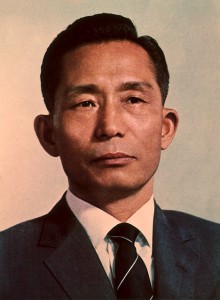
- The 1961 Coup and Park Chung-hee’s Ascendancy: General Park Chung-hee seized power in 1961 and initiated a series of Five-Year Economic Development Plans. Park recognized that for the nation to survive, it needed to shift from an import-dependent economy to an export-driven one.
- The State-Business Alliance (1960s–1970s): The Park administration hand-picked specific companies to lead key industries such as steel, chemicals, and shipbuilding. The government provided these firms with massive low-interest loans, protection from foreign competition, and tax incentives. In return, these companies were expected to meet strict export quotas.
- The 1980s Expansion: As the economy matured, chaebols like LG (then Lucky-Goldstar) and Daewoo expanded into high-tech electronics and global markets, fueled by the government’s continued support and a highly disciplined workforce.
- The 1997 Asian Financial Crisis: This was a watershed moment. The high debt-to-equity ratios of many chaebols led to spectacular collapses, most notably Daewoo. The International Monetary Fund (IMF) mandated structural reforms, leading to increased transparency and the dismantling of some of the most insolvent groups.
- The 21st Century Pivot: Post-1997, surviving chaebols like Samsung and Hyundai transformed into global innovators, moving away from "copycat" manufacturing to leading the world in semiconductors, 5G technology, and electric vehicles.
Economic Data and the Weight of the Giants
The sheer economic footprint of the chaebol is reflected in national statistics. According to data from the Korea Fair Trade Commission and various economic research institutes, the top 10 chaebols account for approximately 80% of South Korea’s Gross Domestic Product (GDP). Samsung Electronics alone has, at various times, accounted for nearly 20% of the nation’s total exports.
This concentration of wealth creates a "too big to fail" scenario. While these firms provide high-paying, prestigious jobs that are the ultimate goal for the nation’s top university graduates, they also create a massive disparity in the labor market. Only about 10% of the South Korean workforce is employed by these large conglomerates, while the remaining 90% work for SMEs. This "dual-tier" economy has led to significant income inequality and social pressure, as the competition to enter the "chaebol class" begins as early as primary school.
The Nexus of Power: Political and Social Implications
The relationship between the "Blue House" (the former presidential residence) and the chaebol boardrooms has historically been one of mutual necessity and, frequently, corruption. Because the government holds the power to grant licenses and regulate industries, and the chaebols hold the keys to economic growth, the two have often been "bedfellows."

This proximity has led to numerous high-profile scandals. For instance, Lee Myung-bak, who served as President from 2008 to 2013, was the former CEO of Hyundai Engineering and Construction, highlighting the "revolving door" between corporate leadership and political power. More recently, the 2017 impeachment of President Park Geun-hye (daughter of Park Chung-hee) was triggered by a corruption scandal involving millions of dollars in "donations" from chaebols, including Samsung, to non-profit foundations controlled by a presidential confidante.
These incidents have fueled public resentment, leading to the rise of the term "Gapjil." This Korean word describes the "arrogant and authoritarian behavior of people in power toward those under their control." High-profile cases, such as the infamous "nut rage" incident involving a Korean Air executive, have become symbols of the perceived untouchability of the chaebol heirs, further distancing the corporate elite from the general public.
Official Responses and Reform Efforts
In response to growing public outcry, successive South Korean administrations have attempted to implement "economic democratization." These policies aim to curb the power of the chaebol, increase corporate transparency, and protect smaller businesses.
Professor Robert Kelly of Pusan National University has noted that the chaebols often behave as "politics-corrupting, consumer-punishing oligopolists" that would have faced antitrust dismantling in Western markets decades ago. However, the South Korean government faces a persistent dilemma: aggressive reform could destabilize the very companies that keep the national economy afloat on the global stage.

Current legislative efforts focus on:
- Restructuring Ownership: Limiting the "circular shareholding" patterns that allow a founding family to control an entire empire with only a small percentage of total shares.
- Strengthening Minority Shareholder Rights: Allowing outside investors to have more say in corporate governance.
- Fair Trade Enforcement: Cracking down on the practice of "inside trading," where chaebol subsidiaries give lucrative contracts to other firms owned by the same family, effectively shutting out external SMEs.
The Future: A Generational Shift
As the third and fourth generations of chaebol families take the helm, the corporate culture is beginning to undergo a slow transformation. Many younger heirs, often educated abroad, are more attuned to global standards of Environmental, Social, and Governance (ESG) criteria. There is an increasing realization that for a chaebol to survive in the age of digital disruption, it must move away from the rigid, top-down hierarchy of the past and embrace a more agile, innovative, and socially responsible model.
Furthermore, the rise of "K-Culture"—from K-pop to K-dramas—has provided a different kind of economic engine. While the chaebols are often the sponsors and financiers of this cultural wave, the success of independent startups in the gaming and tech sectors (such as Kakao and Naver) suggests that the era of total chaebol dominance may eventually give way to a more diverse economic ecosystem.
Analysis of Broader Impact
The chaebol system remains a double-edged sword. It provided the discipline and capital necessary for South Korea’s rapid industrialization, a feat often cited as a model for developing nations. However, the "chaebol-first" policy has left a legacy of market distortion and political vulnerability.
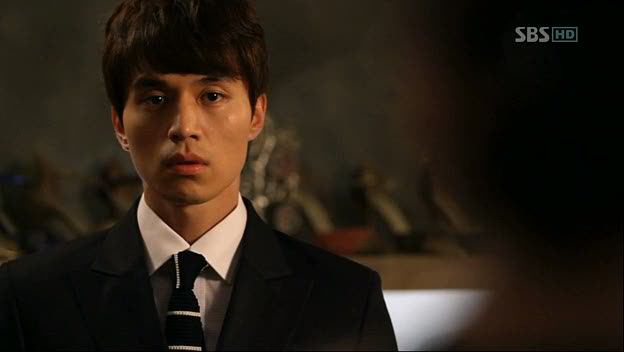
The cultural obsession with chaebols in K-dramas is a reflection of this reality—a mix of aspiration and critique. The "poor little rich boy" character is a vessel for the audience’s complicated feelings: envy of the wealth and power, but also a recognition of the cold, often ruthless machinery that sustains such a life. As South Korea looks toward the future, the challenge will be to preserve the global competitiveness of its industrial giants while fostering a more equitable society where success is not determined solely by one’s proximity to a "chaebol clan." The evolution of these conglomerates will likely dictate the trajectory of the South Korean economy for the next half-century, determining whether the nation remains a corporate-led powerhouse or transitions into a more balanced, innovation-driven democracy.
Related News