The Chaebol Paradox How South Korea’s Corporate Dynasties Shaped a Nation and Polarized a Society
Article Editorial Team

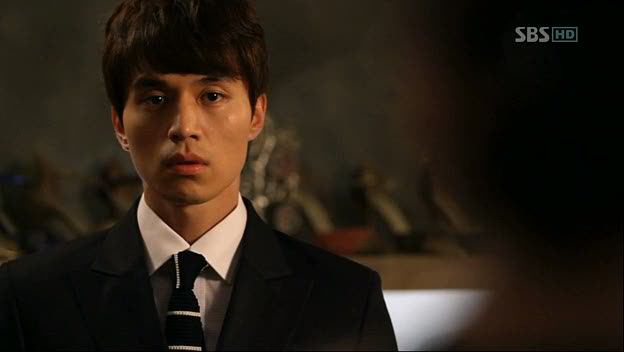
In the global imagination, the South Korean "chaebol" is often personified by a specific archetype popularized by television dramas: the impeccably dressed, emotionally distant, and immensely wealthy heir of a family-run conglomerate. These fictional narratives frequently depict the young "poor little rich boy" navigating boardroom politics under the shadow of a stern CEO father, eventually finding redemption through a chance encounter with a hardworking protagonist from a humble background. However, behind the polished veneer of K-drama tropes like Secret Garden, Scent of a Woman, and What Happened in Bali lies a complex and deeply entrenched economic structure that serves as both the engine of South Korea’s prosperity and a primary source of its most profound social tensions.
The term chaebol (재벌), a combination of the Korean words for "wealth" or "property" and "faction" or "clan," refers to the large, family-owned business conglomerates that dominate the South Korean economy. While international audiences recognize names like Samsung, Hyundai, LG, and SK for their consumer electronics and automobiles, the domestic reality of these entities is far more pervasive. They are multi-industry behemoths whose reach extends into every facet of Korean life, from department stores and apartment construction to food production and telecommunications. As South Korea grapples with its identity in the 21st century, the role of the chaebol remains one of the most polarizing topics in the nation’s political and social discourse.
Defining the Conglomerate Structure and Economic Footprint
A chaebol is distinguished by its unique organizational structure. Unlike Western multinational corporations, which are typically owned by a diverse pool of shareholders and managed by professional executives, chaebols are characterized by family ownership and management. Through a complex web of cross-shareholdings, the founding family maintains absolute control over a vast array of subsidiary companies, even if their direct equity stake is relatively small.
The scale of these entities is difficult to overstate. The top ten chaebols in South Korea have historically accounted for a staggering percentage of the nation’s Gross Domestic Product (GDP). For instance, Samsung Group alone has, at various points, represented nearly 20% of South Korea’s total exports and a significant portion of its market capitalization. This concentration of wealth and power means that the health of the South Korean economy is inextricably linked to the performance of a handful of family dynasties.
Beyond their flagship industries, chaebols operate as "omnipresent" entities. Hyundai, while globally synonymous with cars, is a major player in heavy machinery, construction, and retail via Hyundai Department Store. Lotte Group dominates the retail and confectionery markets while also managing luxury hotels and theme parks. This cross-industrial dominance has led to a domestic market where small and medium-sized enterprises (SMEs) often find it impossible to compete, as the chaebols control the supply chains, the distribution networks, and the political influence required to sustain market leads.
The Historical Genesis: The Miracle on the Han River
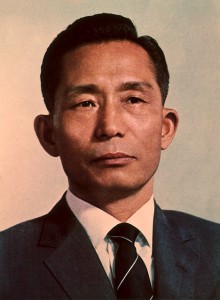
The rise of the chaebol was not an accident of the free market but a deliberate product of state-led developmentalism. Following the 1953 armistice that halted the Korean War, South Korea was one of the poorest nations on earth, with an economy decimated by years of conflict and colonial occupation. The turning point came in 1961 with the rise of General Park Chung-hee, who sought to transform the nation through rapid industrialization.
Under the Park administration, the government adopted a strategy of "export-oriented industrialization." Recognizing that the country lacked capital and resources, the state hand-selected a group of loyal entrepreneurs and provided them with unprecedented support. This support included:

- Preferential Financing: The government nationalized banks and directed low-interest loans toward selected companies to fund massive industrial projects.
- Protectionist Policies: High tariffs and import bans shielded these fledgling companies from foreign competition, allowing them to monopolize the domestic market.
- Labor Suppression: The state maintained a disciplined and low-cost labor force, often through the suppression of union activities, to ensure that Korean exports remained competitive on the global stage.
- Strategic Focus: Companies were incentivized to move from light manufacturing (textiles and wigs) into heavy industries like steel, shipbuilding, and electronics.
This symbiotic relationship between the "Blue House" (the presidential residence) and the corporate boardrooms birthed what is known as the "Miracle on the Han River." In just a few decades, South Korea transitioned from an agrarian society to a leading global economy. However, this success came at a cost: the creation of a corporate oligarchy that felt it was "too big to fail" and, in many cases, above the law.
The Political Nexus and the "Iron Triangle"
The proximity between political power and corporate wealth has created a recurring cycle of scandal and reform. This "Iron Triangle" of politicians, bureaucrats, and chaebol leaders has frequently led to accusations of "crony capitalism." A notable example of this relationship is the presidency of Lee Myung-bak (2008–2013), who was the former CEO of Hyundai Engineering and Construction. His tenure was often criticized for policies that appeared to favor large conglomerates at the expense of social welfare and smaller businesses.
Historical precedents further illustrate this entanglement. In the 1990s, SK Telecom’s rapid ascent to market dominance was often linked to the marriage between the son of the SK Group’s founder and the daughter of former President Roh Tae-woo. Such connections have fostered a public perception that chaebol families operate within a separate legal and social reality.
The Modern Critique: Entitlement, "Gabjil," and Corruption
In recent years, the public’s fascination with the chaebol lifestyle has been tempered by a growing resentment of their perceived arrogance. The term "Gabjil"—referring to the abuse of power by those in superior positions—has become a buzzword in South Korean society, often directed at chaebol heirs. High-profile incidents, such as the infamous "nut rage" scandal involving a Korean Air executive, have reinforced the image of the chaebol "prince" or "princess" as being out of touch with the struggles of ordinary citizens.

Critics, including Pusan National University Professor Robert Kelly, argue that the chaebol system has become anachronistic. Kelly has described them as "rapacious, politics-corrupting, consumer-punishing oligopolists" who stifle innovation by preventing the growth of a healthy SME sector. Because chaebols often engage in "copycat" behavior—entering any industry that shows profit—they frequently crush smaller innovators who lack the capital to survive a price war.
Furthermore, the 1997 Asian Financial Crisis revealed the structural weaknesses of the chaebol model. Many conglomerates had expanded recklessly through debt-financed investments, leading to a wave of bankruptcies that required a massive IMF-led bailout. While the survivors emerged stronger and more globalized, the crisis underscored the dangers of a national economy being overly dependent on a few family-run firms.
Supporting Data: The Concentration of Power
To understand the magnitude of the chaebol influence, one must look at the economic data. As of the early 2020s:
- The top five chaebols (Samsung, Hyundai Motor, SK, LG, and Lotte) represent approximately 50% of the total stock market value of the Korea Composite Stock Price Index (KOSPI).
- Samsung Electronics alone accounts for nearly 20% of South Korea’s total exports.
- While these conglomerates generate the vast majority of the country’s revenue, they employ less than 10% of the total workforce, with the majority of Koreans working for SMEs that struggle to secure the same level of government support or credit.
This disparity has led to a "dual economy," where a small elite of chaebol employees enjoys high salaries and job security, while the rest of the population faces precarious employment and rising costs of living.
Future Implications and the Call for Reform
The future of the chaebol system is currently at a crossroads. Recent administrations, including that of Moon Jae-in and the ongoing efforts of the Yoon Suk-yeol government, have faced immense pressure to implement "economic democratization." This involves reforming corporate governance, increasing transparency in cross-shareholdings, and curbing the power of founding families to appoint their children to leadership roles regardless of merit.
However, reform is a delicate balancing act. The chaebols remain the primary drivers of South Korea’s Research and Development (R&D) and its ability to compete in the 4th Industrial Revolution, particularly in semiconductors, green energy, and biotechnology. Drastic measures to break up these giants could, in the short term, destabilize the national economy and weaken South Korea’s standing against global competitors from China and the West.
As South Korean society continues to evolve, the chaebol remains a symbol of the nation’s dual identity: a testament to a miraculous past and a hurdle to a more equitable future. While K-dramas may continue to romanticize the "chaebol heir" as a misunderstood romantic lead, the reality on the streets of Seoul is one of a nation demanding that its corporate giants finally outgrow their dynastic roots and become accountable to the public that fueled their rise. The "poor little rich boy" of the boardroom is no longer just a television trope; he is the face of a systemic debate that will define the next century of South Korean life.
Related News