The Controversy of Celebrity Soldiers and the Future of South Koreas Defense Media Agency
Article Editorial Team
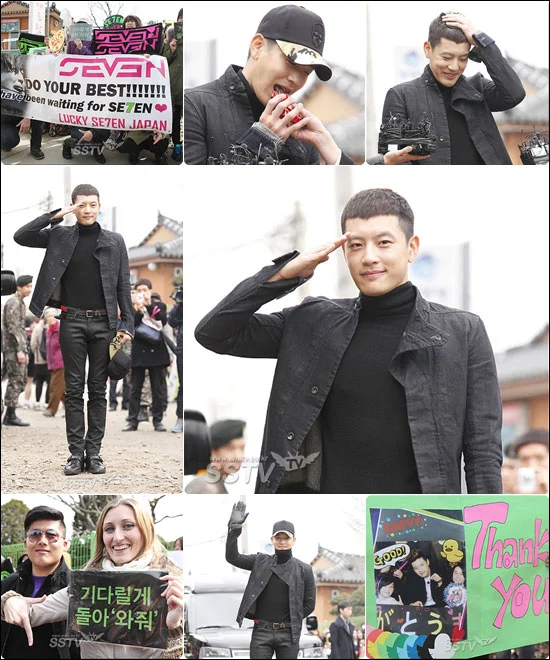
The mandatory military service requirement in the Republic of Korea remains one of the most significant and culturally sensitive obligations for its male citizens, stemming from the unresolved conflict with North Korea following the 1953 Armistice Agreement. Under the Military Service Act, all able-bodied South Korean men are required to serve approximately 21 to 24 months in the armed forces, typically between the ages of 18 and 28. This national duty is viewed as a fundamental rite of passage and a shared sacrifice that theoretically transcends social class. However, the recent series of scandals involving "celebrity recruits"—high-profile entertainers serving in the Defense Media Agency—has ignited a national debate regarding the fairness of the conscription system and the perceived special treatment afforded to K-pop stars and actors.
The Structural Framework of Mandatory Conscription
To understand the gravity of the current controversy, one must examine the geopolitical and social context of South Korean military service. Because the Korean Peninsula remains technically at war, the South maintains a large standing army to deter potential aggression from the North. The draft is near-universal, with very few exceptions. Historically, exemptions have been reserved for individuals with severe physical or mental disabilities, certain categories of criminals, and elite athletes who win Olympic medals or Asian Games gold medals.
For the average South Korean youth, enlistment means a total disruption of their personal and professional lives. Soldiers are stationed in remote regions, often near the Demilitarized Zone (DMZ), where they face grueling physical training, strict curfews, and a total lack of modern luxuries. In 2013, the standard experience for a conscript involved living in communal barracks, restricted access to the internet, and a total ban on personal cellular phones. This environment is designed to foster discipline and national unity, but it also creates a stark contrast when compared to the lives of those serving in the public relations wing of the military.
The Rise and Fall of the Celebrity Recruit System
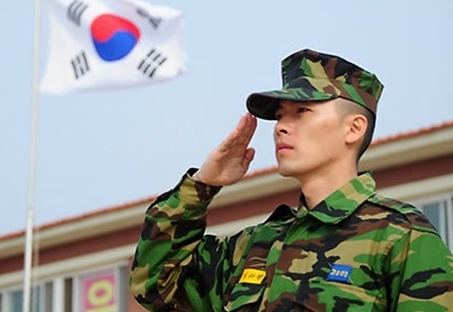
The Defense Media Agency (DMA) established a specialized unit for "promotional soldiers" to utilize the talents of enlisted entertainers. These celebrity recruits were tasked with boosting troop morale through performances, hosting military radio programs, and appearing in promotional films produced by the Ministry of National Defense (MND). While the intent was to leverage Hallyu (the Korean Wave) for nationalistic purposes, the execution of this program has long been shadowed by allegations of "special management."
The public’s patience began to wear thin in early 2013 when the world-renowned pop star Rain (Jung Ji-hoon) was photographed meeting his girlfriend, actress Kim Tae-hee, while on official duty. The photographs revealed Rain in uniform but without his military cap—a violation of military dress code—and sparked an investigation into his frequent "official" leaves. While Rain received a relatively light punishment of seven days of confinement for reflection, the incident sowed the seeds of deep-seated public resentment toward the DMA.
The June 2013 Scandal: Se7en and Sangchu
The situation reached a breaking point in June 2013 following a televised report by the SBS investigative program On Site 21. The broadcast captured footage of several celebrity recruits, including the singer Se7en (Choi Dong-wook) and Sangchu (Lee Sang-chul) of the hip-hop duo Mighty Mouth, engaging in behavior that flagrantly violated military regulations.
According to the investigative report, after performing at a commemorative event in Chuncheon, the recruits were seen leaving their designated motel in civilian clothing. They were observed using personal cell phones, consuming alcohol, and staying out well past the mandatory curfew. Most damagingly, Se7en and Sangchu were filmed entering a "massage parlor" known for providing illegal adult services at approximately 4:00 AM. When confronted by SBS reporters upon exiting the establishment, the soldiers reportedly attempted to snatch the microphones and cameras, escalating the scandal from a breach of discipline to a public relations catastrophe.

Chronology of the Investigation and Official Responses
The timeline following the SBS broadcast reflects a rapid decline in the credibility of the Defense Media Agency:
- June 25, 2013: On Site 21 airs the footage of celebrity recruits violating curfew and visiting adult massage establishments.
- June 26, 2013: The Ministry of National Defense announces a special audit into the Defense Media Agency and the conduct of its 15 celebrity recruits.
- June 27, 2013: Initial defense from the MND suggests the soldiers visited the massage parlor for "therapeutic purposes" to treat knee injuries. This explanation, dubbed "knee therapy," was met with widespread ridicule and anger from the public.
- July 1, 2013: Sangchu releases a statement through his legal representatives attempting to take full responsibility, claiming that as the senior soldier, he led the younger Se7en to the establishment.
- July 10, 2013: Rain is officially discharged from the military. Despite the ongoing scandal involving his former unit, the MND confirms he will face no further disciplinary action, further fueling the perception of "celebrity immunity."
- July 18, 2013: The Ministry of National Defense releases its final audit results, leading to the most drastic policy shift in the history of the DMA.
Supporting Data and Disparities in Service
Data released during the investigation highlighted a significant disparity between celebrity recruits and regular soldiers. While a standard conscript in 2013 was entitled to roughly 28 days of vacation over a 21-month period, celebrity recruits were found to have taken an average of 75 days of leave. Some high-profile stars reportedly spent over 100 days away from their bases for "promotional activities" that often lacked strict oversight.
Furthermore, the SBS report revealed that the celebrity unit’s barracks were equipped with amenities unavailable to frontline troops, including private gyms, gaming consoles, and civilian wardrobes. This discrepancy struck a chord in a society that prides itself on the "fairness" of the draft. In South Korea, military service is often called the "great equalizer," yet the DMA’s management of entertainers suggested that fame and influence could buy a more comfortable, less restrictive version of national service.
Sociopolitical Implications and Public Sentiment
The backlash against Se7en and Sangchu was not merely about their personal conduct; it was a rejection of a system that appeared to reward stars for their civilian status. The term "Gold Spoon" (referring to those born into wealth or privilege) is often used in South Korean discourse to describe those who bypass the hardships faced by the "Dirt Spoons" (the common citizen). The celebrity recruit scandal became a focal point for this frustration.

Public sentiment was further soured by previous comments made by Se7en, who had suggested that Hallyu stars contribute as much to the national interest as Olympic athletes and should therefore be considered for exemptions. To the average citizen, this argument ignored the reality that Hallyu is a commercial enterprise driven by private profit, whereas Olympic representation is a direct service to the state. The June scandal proved to many that rather than serving the state, celebrity recruits were using the military as a period of "career maintenance" with fewer restrictions than their peers.
The Abolition of the PR Unit
In a landmark decision on July 18, 2013, the Ministry of National Defense announced the total abolition of the celebrity recruit system. The ministry acknowledged that the unit, which had existed for 16 years, had caused "irreparable damage" to the military’s image and had failed to achieve its goal of boosting troop morale. Instead, it had become a source of division and resentment.
The 15 soldiers currently serving in the unit were reassigned to standard field units, with Se7en and Sangchu receiving the harshest punishments: several weeks in military jail (the brig) before being sent to frontline divisions to serve out the remainder of their terms as regular infantrymen. This move was seen as a desperate attempt by the MND to regain public trust and reinforce the principle that all soldiers must be treated equally under the law.
Analysis of the Long-term Impact
The fallout from the 2013 scandal has had lasting effects on how celebrities approach their military service. In the years following the abolition of the PR unit, stars have increasingly opted to serve in "hardcore" units, such as the Marine Corps or Special Forces, to bolster their public image and prove their commitment to national defense. Notable examples include Hyun Bin and Lee Seung-gi, whose exemplary service records were credited with enhancing their post-military careers.

Conversely, the scandal served as a cautionary tale for the entertainment industry. A ruined reputation during military service is often a career-ending event in South Korea. The public’s ability to forgive "draft dodging" or "service abuse" is notoriously low, as seen in the permanent exile of singer Steve Yoo (Yoo Seung-jun) in the early 2000s.
Ultimately, the dissolution of the celebrity recruit unit represents a victory for egalitarianism in the South Korean conscription system. It signaled that the government could no longer ignore the systemic inequalities that allowed a small elite to bypass the hardships of the barracks. As the Ministry of National Defense continues to modernize the military, the lessons of 2013 remain a benchmark for ensuring that the burden of national defense is shared equally by all, regardless of their status on the global stage.
Related News