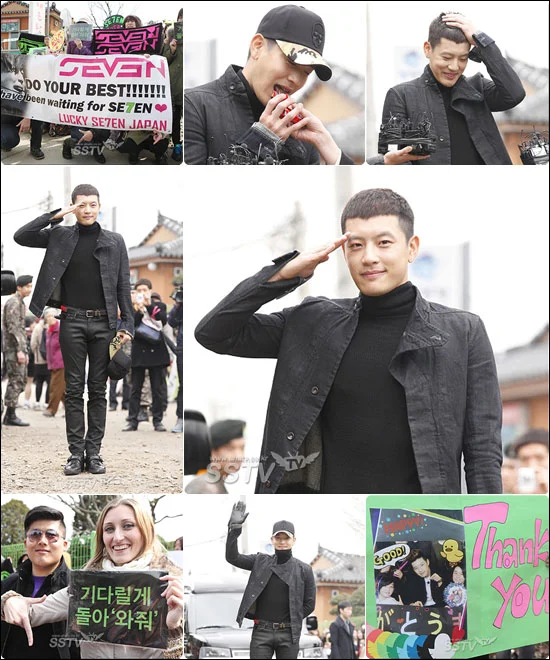
In the summer of 2013, a series of investigative reports by the South Korean broadcaster SBS sent shockwaves through the nation, exposing deep-seated irregularities within the military’s promotional wing. The scandal, which centered on high-profile K-pop stars Choi Dong-wook (known as Se7en) and Lee Sang-chul (known as Sangchu of the duo Mighty Mouth), transcended the realm of entertainment news to become a national debate regarding fairness, discipline, and the integrity of the South Korean conscription system. This incident ultimately led to the historic abolition of the "celebrity recruit" system, a specialized unit that had existed for nearly two decades.
The Foundation of Universal Conscription in South Korea
To understand the gravity of the 2013 scandal, one must first grasp the cultural and political significance of military service in South Korea. Since the signing of the 1953 armistice that halted the Korean War, the peninsula has remained technically in a state of conflict. Consequently, South Korea maintains a mandatory conscription system under the Military Service Act, requiring all able-bodied men to serve approximately 21 to 24 months (during the 2013 period) in the armed forces.
For the South Korean public, military service is viewed as the ultimate equalizer. Regardless of socioeconomic status, every young man is expected to sacrifice his formative years to the defense of the nation. This "rite of passage" involves rigorous physical training, strict adherence to hierarchy, and significant isolation from civilian life, including bans on personal cell phones and restricted internet access. Any perception that certain individuals—particularly those of high social status or celebrity—are receiving preferential treatment is met with intense societal backlash.
The Rise and Purpose of the Celebrity Recruit System
Established in 1997, the "Defense Media Agency" (DMA) was designed to utilize the talents of enlisted entertainers for military public relations. These "public relations recruits" or "celebrity soldiers" were tasked with hosting radio programs, performing in musical theater for troops, and participating in promotional events to boost morale and improve the military’s image.
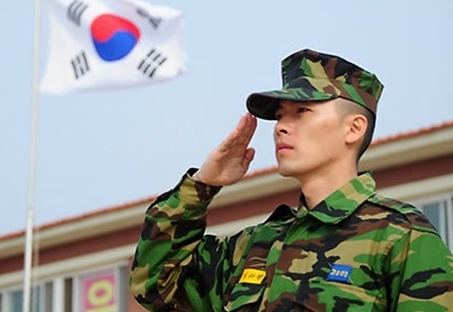
While the system was intended to serve a strategic purpose, it long faced criticism from the general public. Regular soldiers, often stationed in remote mountainous regions or along the heavily fortified North Korean border, viewed the celebrity unit with suspicion. Rumors persisted that these recruits enjoyed frequent leaves, stayed in luxury accommodations while on tour, and were exempt from the grueling physical labor and strict discipline that defined the standard military experience.
Chronology of the 2013 Scandal: The SBS Investigation
The simmering resentment reached a boiling point in June 2013 when the SBS investigative program On Site 21 aired a segment titled "The Dark Side of Celebrity Soldiers." The report followed a group of PR recruits who had traveled to Chuncheon for a military-sponsored concert.
June 21–22, 2013: The Night in Chuncheon
Following their performance, several celebrity recruits, including Se7en and Sangchu, were observed by undercover reporters engaging in activities that directly violated military regulations. Instead of remaining in their assigned quarters, the soldiers were seen wearing civilian clothing, using prohibited personal mobile phones, and consuming alcohol late into the night.
The most damaging footage, however, captured Se7en and Sangchu entering a massage parlor known for providing adult services at approximately 3:30 AM. When they exited the establishment nearly an hour later, they were confronted by SBS reporters. The ensuing footage showed the soldiers attempting to seize the reporters’ microphones and cameras, a physical altercation that further damaged their public image.
The "Knee Therapy" Defense
In the immediate aftermath of the broadcast, the Ministry of National Defense (MND) and the representatives of the artists attempted to mitigate the damage. The official explanation provided was that the soldiers had visited the establishment seeking "knee therapy" and medicinal massages for injuries sustained during performances. This explanation was widely ridiculed by the public and the media, drawing comparisons to previous poorly-conceived celebrity excuses.

Supporting Data and Historical Context of Abuse
The Se7en and Sangchu incident did not occur in a vacuum. It followed a string of controversies that had already eroded public trust in the DMA.
In January 2013, the global superstar Rain (Jung Ji-hoon) was scrutinized after he was photographed meeting his girlfriend, actress Kim Tae-hee, while on official military duty. Rain was found to have violated military protocol by not wearing his uniform cap in public and having unauthorized meetings. However, the subsequent punishment—a mere week of confinement for reflection—was viewed by many as a "slap on the wrist," highlighting the perceived leniency afforded to stars.
Data released during parliamentary audits at the time further fueled the fire. Statistics revealed that celebrity recruits were granted significantly more leave days than regular soldiers. Between 2009 and 2012, celebrity recruits took an average of 75 days of leave, compared to the 43 days allowed for regular conscripts. Some high-profile entertainers were found to have taken over 100 days of leave during their service, nearly double the standard allocation.
Official Responses and the Abolition of the PR Unit
The public outcry following the On Site 21 report was unprecedented. Online petitions calling for the abolition of the celebrity recruit system garnered tens of thousands of signatures within days. The Ministry of National Defense, realizing that the scandal was compromising the morale of the entire armed forces and damaging the military’s reputation, launched a comprehensive special audit.
Findings of the Special Audit
On July 18, 2013, the Ministry of National Defense released the results of its investigation. The audit confirmed systemic negligence within the Defense Media Agency. It was revealed that the agency had failed to manage its personnel, allowing recruits to bring personal items and leave their posts without proper supervision.

The Decision to Abolish
In a landmark decision, the MND announced the total abolition of the public relations recruit system. A spokesperson for the Ministry stated, "The PR recruit system was intended to promote the military and boost the morale of soldiers, but due to these unsavory issues, it has only served to tarnish the military’s image and lower the morale of our hardworking soldiers."
The consequences for the individuals involved were swift:
- Reassignment: The 15 remaining celebrity recruits were reassigned to regular field units to complete their service as standard soldiers.
- Disciplinary Action: Se7en, Sangchu, and five other recruits were sentenced to military prison (confinement) for periods ranging from 10 to August 20 days for violating service regulations.
- Administrative Overhaul: The Defense Media Agency underwent a massive restructuring, and the military’s promotional activities were shifted to civilian contractors or regular soldiers with relevant skills, under much stricter oversight.
Broader Impact and Societal Implications
The dissolution of the celebrity recruit unit marked a turning point in how South Korea manages the enlistment of its stars. The scandal reinforced the principle that in the eyes of the law—and the Ministry of Defense—fame does not entitle one to special privileges during national service.
Career Consequences for the Involved Stars
For Se7en and Sangchu, the scandal was a "career-killer" in the immediate term. Se7en, who was previously one of the most beloved figures in Hallyu (the Korean Wave), faced a massive backlash. His long-term relationship with actress Park Han-byul eventually ended, and his return to the entertainment industry was met with a cold reception that lasted for years. This serves as a cautionary tale for celebrities: the South Korean public is often willing to forgive professional mistakes, but perceived "draft-dodging" or "service-slacking" is often unforgivable.
The New Standard for Celebrity Service
Since 2013, South Korean celebrities have largely opted for a more "humble" approach to their military service. Many now choose to serve in active-duty combat roles or in the Marine Corps—known for its extreme difficulty—to prove their dedication and sincerity. Stars like Hyun Bin and Lee Seung-gi earned significant public praise for their exemplary service in regular units, which actually boosted their popularity upon discharge.

Analysis of Military Fairness
The 2013 scandal forced a necessary conversation about the "value" of a celebrity’s contribution to the state. While some argued that Hallyu stars serve the country by promoting Korean culture abroad, the consensus reached was that this contribution is a private commercial venture and does not exempt them from the civic duty of defense. The abolition of the unit ensured that the "equal playing field" of the military was restored, at least in a symbolic and structural sense.
The legacy of the Se7en and Sangchu scandal remains a significant chapter in South Korean modern history. It serves as a reminder of the power of investigative journalism and the unwavering demand of the South Korean public for social justice and equality. By removing the "prince-like" status of celebrity recruits, the military reaffirmed its commitment to the millions of ordinary citizens who serve their country without fanfare, ensuring that the burden of national defense is shared by all, regardless of status.