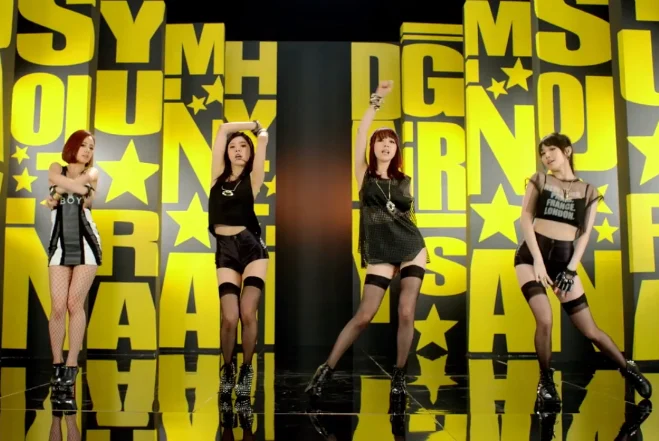
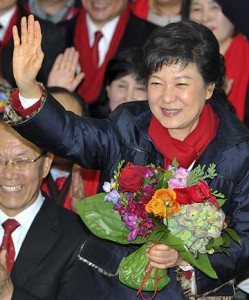
The December 2012 presidential election in South Korea marked a definitive shift in the nation’s political history with the victory of Park Geun-hye, a veteran representative of the conservative New Frontier Party. Running under the banner of the Saenuri Party—formerly the Grand National Party—Park secured a narrow but historic win, becoming the first female president of the Republic of Korea. This milestone was viewed by many as a potential catalyst for social change in a country long defined by rigid patriarchal structures and traditional gender roles. However, the subsequent cultural response, exemplified by the K-pop group Girl’s Day and their June 2013 single "Female President," highlighted a significant disconnect between political milestones and the substantive advancement of women’s rights in the public sphere.
The Political Context of the 18th Presidential Election
Park Geun-hye’s ascension to the Blue House (CheongWaDae) was a complex phenomenon. As the daughter of Park Chung-hee, the military leader who ruled South Korea from 1961 to 1979, her candidacy was steeped in both reverence and controversy. Supporters viewed her as a symbol of the "Miracle on the Han River," associating her with the rapid economic development of her father’s era. Conversely, critics and members of the opposition Democratic United Party (Minju Party) argued that her political rise was largely a result of her inherited legacy rather than a commitment to progressive reform.
Despite these polarized views, the symbolic weight of a female head of state in East Asia was undeniable. In a region where political leadership has historically been a male-dominated bastion, Park’s presidency was initially framed as a "watershed moment" for gender equality. Observers hoped that her leadership would signal a new era of policy-making focused on the systemic issues facing South Korean women.
Socioeconomic Realities for Women in South Korea
While the political glass ceiling was shattered at the highest level, the everyday reality for women in South Korea remained fraught with challenges. According to data from the Organisation for Economic Co-operation and Development (OECD), South Korea has consistently maintained the highest gender wage gap among member nations. In 2013, this gap stood at approximately 36.3%, meaning women earned significantly less than their male counterparts for comparable work.
Furthermore, institutionalized sexism continued to influence hiring practices and career advancement. South Korea has historically exhibited a "U-shaped" female labor participation curve, where women enter the workforce in high numbers after university but exit prematurely due to the pressures of marriage and child-rearing. The lack of robust childcare support and a corporate culture that prioritizes long working hours often forced women to choose between professional growth and family life. Additionally, legal restrictions on reproductive rights remained a point of contention, with abortion being largely illegal except in cases where the mother’s health was at risk or in instances of sexual assault.
Chronology of a Cultural Moment: June 2013
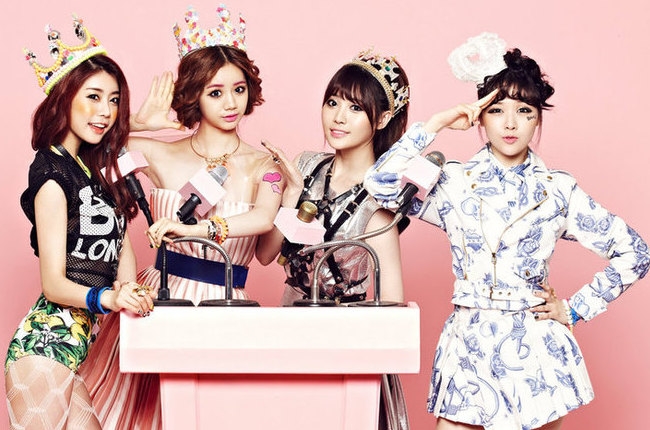
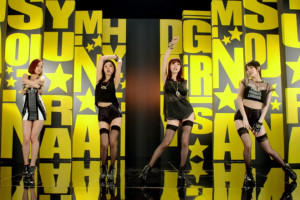
Following Park Geun-hye’s inauguration in February 2013, the entertainment industry sought to capitalize on the "female president" motif. On June 24, 2013, the K-pop quartet Girl’s Day—consisting of members Sojin, Yura, Minah, and Hyeri—released their repackaged album titled Female President. At the time, the group was experiencing a surge in popularity, partly due to a transition toward more mature, "sexy" concepts and increased media scrutiny regarding member Hyeri’s personal life.
The title track, "Female President," was marketed as a "girl power" anthem. The timing of the release was strategic, aiming to align the group’s image with the national conversation surrounding female empowerment. However, the song’s lyrical content and the music video’s visual narrative sparked an immediate debate among critics regarding the depth of its message.
Analysis of the Cultural Response: Song and Music Video
The central critique of Girl’s Day’s "Female President" lies in the disparity between its title and its actual subject matter. Rather than addressing themes of leadership, professional ambition, or social reform, the lyrics utilize the concept of a female president as a metaphor for romantic initiative. The song posits that because the nation has a female leader, it is now socially acceptable for a woman to be the first to approach a man, express love, or initiate a kiss.
Professional music critics and social commentators noted that the "empowerment" depicted in the song was entirely relative to male-female relationship dynamics. The lyrics fluctuate between asserting a new-found boldness and describing feelings of dizziness, nervousness, and a perceived lack of self-worth when in the presence of a romantic interest. This juxtaposition, critics argued, undermined the very premise of the song by reinforcing the idea that a woman’s value and agency are primarily realized through her romantic pursuit of men.
The music video further complicated this narrative. It utilized standard K-pop tropes of the era, including high-glamour aesthetics, provocative costuming—such as the controversial skin-colored unitards—and choreographed dance sequences designed for the male gaze. One specific scene featured member Hyeri in an androgynous, suit-wearing role acting opposite Minah in a more traditionally feminine role. While this was an attempt to play with gender presentation, the interaction concluded with a "near-kiss" initiated by Minah, which was framed as a daring act of empowerment. Critics suggested that this was a superficial interpretation of the political changes occurring in the country, prioritizing "saucy" visuals over meaningful discourse.
Supporting Data and Industry Trends
The release of "Female President" occurred during a period when the K-pop industry was increasingly relying on "sexy concepts" to distinguish girl groups in a saturated market. Other groups, such as A Pink, Dal Shabet, and Rainbow, were also navigating the fine line between cute and provocative imagery. The marketing of Girl’s Day’s comeback showed a clear intent to leverage the political zeitgeist for commercial gain.
Data from digital music charts at the time showed that "Female President" was a commercial success, reaching the top five on the Gaon Digital Chart. This indicated that while the song’s message may have been thin, its production and the group’s brand were highly effective. However, the success of the song did little to shift the needle on actual gender discourse. A 2013 survey on social perceptions in Seoul revealed that despite having a female president, the majority of young women still felt that societal expectations regarding marriage and career remained largely unchanged.
Official Responses and Public Sentiment
The Blue House did not issue an official statement regarding the song, maintaining a professional distance from pop culture trends. However, the public response was divided. Younger fans generally praised the song for its catchy hook and the group’s charismatic performance. In contrast, feminist groups and social analysts expressed disappointment that a momentous political shift was being reduced to a romantic gimmick.
The sentiment among critics was that the K-pop industry had missed a golden opportunity to engage with the actual challenges facing the "Park Geun-hye generation." By framing a female president merely as a license to "kiss a guy first," the media narrative effectively trivialized the struggles for equal pay, legal reform, and the dismantling of the glass ceiling.
Broader Impact and Long-term Implications
In retrospect, the "Female President" era in South Korean pop culture serves as a case study in the commodification of social movements. It highlighted the tendency of the entertainment industry to adopt the language of empowerment without adopting its principles. While Park Geun-hye’s presidency was historic, her tenure ultimately became overshadowed by political scandals that led to her impeachment in 2017, further complicating the legacy of female leadership in the country.
The impact of the song on South Korean society was negligible in terms of policy or social progress. It did not lead to a surge in female-led initiatives or a change in the legal status of women’s rights issues like abortion. Instead, it remained a product of its time—a high-energy pop song that used a political milestone as a backdrop for traditional romantic themes.
The intersection of politics and pop culture in 2013 revealed a significant gap in the national consciousness. While the country was ready for a woman at the helm of the state, its popular media was still largely tethered to a framework that defined female agency through the lens of male approval. The legacy of this period continues to inform contemporary discussions about how women are represented in South Korean media and the ongoing struggle to align symbolic political victories with substantive social equity.