The Evolution and Socioeconomic Impact of the Chaebol in South Korea: Bridging the Gap Between Cultural Fiction and Economic Reality
Article Editorial Team

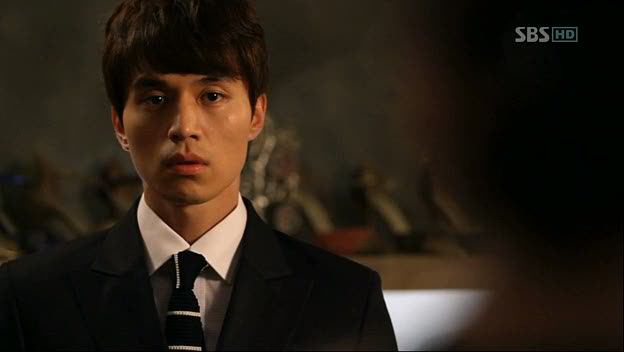
In the landscape of South Korean popular culture, the "chaebol heir" is a ubiquitous archetype: a strikingly handsome, often arrogant young man who navigates corporate boardrooms with boredom and treats the world as his personal playground. This character, central to global hits such as Secret Garden, The Heirs, and Scent of a Woman, serves as a romanticized vessel for a complex economic reality. To international audiences, the term "chaebol" signifies extreme wealth and corporate power. However, within South Korea, these family-run conglomerates represent a polarized legacy of rapid industrialization, political entanglement, and a domestic economy that is both world-leading and stiflingly monopolistic.
The word chaebol (재벌) translates literally to "wealth clan." These are large, family-owned business conglomerates that maintain a diversified presence across nearly every sector of the South Korean economy. While global consumers recognize names like Samsung, Hyundai, and LG for their electronics and automobiles, the domestic reality of a chaebol’s reach is far more pervasive. A citizen in Seoul may live in an apartment built by Hyundai Engineering, use a smartphone manufactured by Samsung, drive a car from Kia (a subsidiary of Hyundai), shop at a Lotte department store, and pay for it all with a credit card issued by a financial wing of the same corporate family.
The Historical Genesis: The Miracle on the Han River
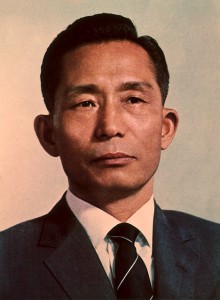
The rise of the chaebol is inseparable from the history of modern South Korea. Following the 1953 armistice that halted the Korean War, the peninsula was one of the poorest regions on earth, with its infrastructure decimated and its economy reliant on foreign aid. The turning point occurred in the 1960s under the administration of President Park Chung-hee, who seized power in a military coup and initiated a series of aggressive Five-Year Economic Development Plans.
The Park administration’s strategy was built on "export-oriented industrialization." Rather than fostering a broad base of small and medium-sized enterprises (SMEs), the government hand-selected a few promising firms to serve as national champions. These companies were granted preferential treatment, including low-interest loans from state-controlled banks, protectionist trade barriers against foreign competitors, and direct government subsidies. In exchange, these firms were required to meet strict export quotas.
This symbiotic relationship birthed the modern chaebol. Companies like Hyundai, which began as a small construction firm, were tapped to lead massive infrastructure projects and eventually expanded into shipbuilding and automotive manufacturing. Samsung, originally a trading company dealing in dried fish and noodles, was encouraged to pivot into electronics and heavy industry. By the 1970s and 1980s, this strategy had fueled the "Miracle on the Han River," transforming South Korea into a global industrial powerhouse in record time.
The Economic Dominance: Data and Market Concentration
The scale of chaebol dominance in the 21st century is difficult to overstate. According to data from the Korea Fair Trade Commission and various economic research institutes, the "Big Four"—Samsung, Hyundai Motor Group, SK Group, and LG Group—account for a staggering percentage of the nation’s economic activity.
In recent fiscal years, the combined revenue of the top ten chaebols has often exceeded 70% of South Korea’s total Gross Domestic Product (GDP). Samsung Electronics alone has at times accounted for nearly 20% of the country’s total exports. This concentration of wealth creates a "too big to fail" scenario that grants these corporations immense leverage over government policy.

Unlike Western conglomerates, which are often owned by diverse groups of shareholders and managed by professional CEOs, chaebols are characterized by cross-shareholding structures. Through a complex web of internal investments, a founding family can maintain absolute control over dozens of subsidiary companies despite owning only a small fraction of the total shares. This "emperor-style management" has been a point of pride regarding quick decision-making but a source of international criticism regarding corporate transparency.
The Political Symbiosis and the "Iron Triangle"
The relationship between the "Blue House" (South Korea’s presidential office) and the chaebol has historically been described as an "Iron Triangle" of politicians, bureaucrats, and business leaders. This proximity has led to numerous high-profile scandals that have shaped South Korean politics for decades.
A notable example of this revolving door is former President Lee Myung-bak, who served as the CEO of Hyundai Engineering and Construction before entering politics. His presidency was often viewed through the lens of his corporate background, emphasizing "business-friendly" policies. Furthermore, the SK Group’s rise to dominance in the telecommunications sector was significantly bolstered after a high-profile marriage between the son of the SK founder and the daughter of former President Roh Tae-woo.
However, this closeness has frequently crossed into illegality. Since the transition to democracy in the late 1980s, several chaebol chairmen have been convicted of bribery, tax evasion, and embezzlement, only to be granted presidential pardons on the grounds that their leadership was "essential to the national economy." This cycle of "conviction and pardon" has fueled public resentment and led to growing calls for "economic democratization"—a political movement aimed at curbing the power of the conglomerates and fostering a fairer environment for small businesses.

Chronology of Major Chaebol Milestones
- 1953: End of Korean War hostilities; South Korea begins reconstruction.
- 1961: Park Chung-hee takes power; the government begins selecting specific firms for state-backed growth.
- 1970s: The "Heavy and Chemical Industrialization" (HCI) drive pushes chaebols into shipbuilding, steel, and electronics.
- 1988: The Seoul Olympics showcase South Korea’s economic arrival; Samsung and Hyundai become global brands.
- 1997: The Asian Financial Crisis (the "IMF Crisis") hits. Several major chaebols, including the massive Daewoo Group, collapse under the weight of debt, leading to forced restructuring and the adoption of more Westernized accounting standards.
- 2012: Economic democratization becomes a central theme in the presidential election, won by Park Geun-hye (daughter of Park Chung-hee).
- 2017: The "Choi Soon-sil scandal" leads to the impeachment of President Park Geun-hye and the arrest of Samsung heir Lee Jae-yong on bribery charges, highlighting the persistent risks of the business-politics nexus.
Broader Impact: The "Korea Discount" and Social Stratification
The dominance of the chaebol has created a unique set of social and economic challenges for modern South Koreans. In the financial world, the "Korea Discount" refers to the fact that South Korean stocks are often undervalued compared to global peers. Analysts attribute this to poor corporate governance and the perceived risk that chaebol families will prioritize their own interests over those of minority shareholders.
Socially, the chaebol have created a hyper-competitive "winner-take-all" society. For South Korean youth, securing a job at a top-tier chaebol like Samsung is seen as the only path to stability and social status. This has led to an education system characterized by extreme pressure and high private tutoring costs as students vie for a limited number of corporate positions. Those who do not make it into the "golden circle" of the chaebol often face lower wages and less job security in the SME sector, which struggles to compete for talent and resources against the monopolistic giants.
Analysis of Future Implications
As South Korea looks toward the future, the role of the chaebol remains a subject of intense debate. Proponents argue that in an era of global competition with Chinese and American tech giants, South Korea needs the massive scale and R&D budgets that only the chaebols can provide. They point to the fact that Samsung and LG are currently leading the charge in semiconductors, EV batteries, and 5G technology.
Conversely, critics argue that the chaebol model is an anachronism. Professor Robert Kelly of Pusan National University has described the chaebol as "rapacious, politics-corrupting, consumer-punishing oligopolists" that would have been dismantled under Western antitrust laws long ago. There is a growing consensus that for South Korea to transition into a truly innovative "start-up economy," it must break the stranglehold these conglomerates have on the domestic market.
The romanticized heirs seen in K-dramas are, in reality, the faces of a corporate structure that is undergoing a painful evolution. While the "poor little rich boy" trope remains a staple of television entertainment, the real-world heirs of the chaebol are navigating a landscape of increasing legal scrutiny, public skepticism, and a global economy that demands transparency over traditional family-style rule. Whether the chaebol can adapt to these new demands while remaining the engine of the South Korean economy will be the defining story of the nation’s next half-century.
Related News