
The South Korean chaebol, a term derived from the Hanja words for "wealth" or "property" (chae) and "faction" or "clan" (beol), represents a unique and formidable industrial structure that has come to define the nation’s rapid ascent from post-war poverty to global economic leadership. To the international observer, the chaebol is most frequently encountered through the lens of the "Korean Wave" or Hallyu, where television dramas frequently feature the "chaebol heir" as a central archetype. This character is often portrayed as an impeccably dressed, albeit arrogant, young man destined to inherit a multi-billion-dollar empire. However, beneath the polished veneer of K-drama tropes lies a complex, deeply entrenched corporate system that serves as both the backbone of the South Korean economy and a source of significant domestic controversy.
Understanding the chaebol requires looking beyond the romanticized depictions of boardrooms and luxury cars. These entities are massive, family-controlled conglomerates that operate across a diverse array of industries, often maintaining a vertical monopoly that touches nearly every aspect of South Korean life. From the smartphones in citizens’ pockets to the apartments they inhabit, the cars they drive, and the insurance policies they hold, the presence of these corporate giants is omnipresent. While their contributions to the "Miracle on the Han River" are undisputed, their disproportionate influence over the political and social fabric of the nation continues to ignite debates regarding economic democratization and corporate transparency.
The Genesis of the Conglomerates: A Post-War Economic Strategy
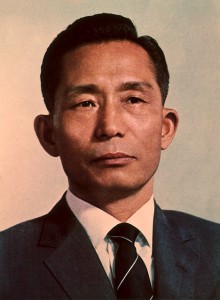
The origin of the chaebol system is inextricably linked to the military administration of Park Chung-hee, who seized power in 1961. Following the 1953 armistice of the Korean War, South Korea was one of the poorest nations in the world, with an infrastructure largely decimated by conflict. President Park envisioned a rapid industrialization strategy modeled partly on the Japanese zaibatsu system, which had been dismantled by Allied forces after World War II.

The Park administration implemented a series of Five-Year Economic Development Plans that shifted the nation from an agrarian economy to an industrial powerhouse. The government hand-selected a small group of family-owned businesses to lead this charge, providing them with preferential treatment, including low-interest loans from state-owned banks, protectionist trade policies against foreign competitors, and lucrative government contracts. In exchange, these companies were required to meet specific export targets and align their business goals with the state’s national development priorities.
This symbiotic relationship between the "Blue House" (the presidential residence) and corporate leaders allowed companies like Samsung, Hyundai, LG, and SK to expand at an unprecedented rate. By focusing on heavy industries such as shipbuilding, steel production, and electronics, South Korea transformed itself into a global export leader within a single generation. This era of state-led capitalism successfully catalyzed the nation’s growth but established a precedent of close-knit ties between political power and private wealth that persists today.
Structural Dominance and the Concentration of Wealth
A defining characteristic of the chaebol is its complex web of cross-shareholdings. Unlike Western conglomerates, which often operate through independent subsidiaries, chaebols are typically controlled by a single founding family through a labyrinthine structure of ownership. This allows a chairman to exert total control over dozens of affiliated companies despite owning only a small fraction of the total shares.
The scale of these organizations is staggering. In contemporary South Korea, the top ten chaebols account for approximately 80% of the country’s Gross Domestic Product (GDP). Samsung Group alone, the largest of the conglomerates, contributes nearly 20% to the national GDP. This concentration of wealth means that the health of the South Korean economy is intrinsically tied to the performance of a handful of families.

The diversity of their operations is equally vast. For example, the Hyundai Group is not merely an automotive manufacturer; its various arms are involved in heavy machinery, construction, department stores, and logistics. Similarly, the Lotte Group dominates the retail and food sectors while maintaining significant interests in chemicals and hotel management. This "octopus-like" expansion ensures that even if one sector faces a downturn, the conglomerate can rely on other divisions for stability. However, critics argue that this dominance stifles innovation and prevents small and medium-sized enterprises (SMEs) from competing on a level playing field.
Chronology of Crisis and Reform: The 1997 Turning Point
The trajectory of the chaebol was fundamentally altered by the 1997 Asian Financial Crisis. Prior to the crisis, many conglomerates had engaged in reckless expansion funded by high levels of debt, operating under the assumption that they were "too big to fail." When the currency plummeted and foreign capital fled, the fragility of the system was exposed.
- 1960s–1970s: The formative years of state-sponsored growth and the emergence of the primary conglomerates.
- 1980s: Expansion into high-tech industries and global markets; the rise of Samsung as an electronics giant.
- 1997: The "IMF Crisis." The collapse of major groups like Daewoo, which was then the second-largest conglomerate in the country, forced the government to accept a $58 billion bailout from the International Monetary Fund.
- 1998–2003: The Kim Dae-jung administration introduced "Big Deal" reforms, forcing chaebols to streamline their operations, reduce debt-to-equity ratios, and increase transparency.
- 2010s–Present: A shift toward "Economic Democratization" as a central political theme, spurred by public outcry over succession scandals and corruption.
The collapse of Daewoo served as a wake-up call, leading to more stringent accounting standards and the dismantling of some of the more egregious cross-subsidiary financial guarantees. Despite these reforms, the core structure of family control remained largely intact, leading to ongoing friction between the public’s desire for reform and the government’s reliance on these firms for economic stability.
Political Entanglement and Public Perception
The relationship between the chaebols and the South Korean government has often crossed the line from cooperation to collusion. Historically, these conglomerates have been accused of providing political "slush funds" in exchange for pardons or favorable legislation. This was most notably seen in the 2016-2017 political scandal that led to the impeachment of President Park Geun-hye and the imprisonment of Samsung’s de facto leader, Lee Jae-yong.

The public perception of the chaebol is characterized by a profound duality. On one hand, there is a sense of national pride; brands like Samsung and LG are global symbols of South Korean ingenuity and success. They provide the most prestigious and stable jobs in the country, and a "job for life" at a top-tier chaebol remains the ultimate goal for many university graduates.
On the other hand, there is growing resentment regarding the "gold spoon" (geum-su-jeo) culture. The perception that the children of chaebol families inherit immense wealth and power without merit, while the rest of the population faces a hyper-competitive job market and rising inequality, has fueled social discontent. This sentiment is often reflected in the "Hell Joseon" discourse, where young South Koreans express frustration with the lack of social mobility in a system dominated by inherited corporate power.
The Cultural Lens: Chaebols in Media and Hallyu
The global fascination with K-dramas has turned the "chaebol heir" into a recognizable cultural icon. Shows like Secret Garden, Boys Over Flowers, and Crash Landing on You utilize the chaebol setting to create modern-day fairy tales. These narratives often focus on the tension between duty to the family business and personal romantic desires, typically involving a "Cinderella" figure from a humble background.
While these dramas are largely escapist, they do offer a sanitized glimpse into the pressures of the chaebol lifestyle. The emphasis on lineage, the strict hierarchy, and the strategic marriages depicted on screen are grounded in the real-world practices of South Korea’s elite families. For the global audience, these portrayals have humanized the corporate giants, contributing to the "soft power" that South Korea exerts internationally. However, for domestic viewers, these shows often serve as a reminder of the vast wealth gap that exists within their society.
Future Implications and the Path Toward Diversification
As South Korea looks toward the future, the sustainability of the chaebol system is under scrutiny. The rise of the Fourth Industrial Revolution—driven by AI, biotechnology, and green energy—requires a level of agility and creative destruction that the traditional, top-down chaebol structure may struggle to provide.
There is a growing movement toward supporting a "startup ecosystem" to reduce the nation’s reliance on conglomerates. Companies like Kakao and Naver have emerged as new types of corporate entities, challenging the traditional chaebol model with more horizontal management styles and a focus on software and services rather than hardware and manufacturing.
Furthermore, the issue of succession remains a critical flashpoint. As founding families move into the third and fourth generations of leadership, the legal and ethical challenges of transferring power without incurring massive inheritance taxes have led to several high-profile legal battles. The government faces the delicate task of regulating these entities to ensure fair competition while avoiding any disruption that could destabilize the national economy.
In conclusion, the chaebol remains the defining feature of the South Korean economic landscape. They were the engines of a historical miracle, transforming a war-torn land into a G20 economy. Yet, their legacy is a double-edged sword. As South Korea continues to evolve, the challenge will be to preserve the global competitiveness of these giants while fostering a more inclusive and transparent economic environment that allows the next generation of innovators to flourish beyond the shadow of the conglomerates.