The Evolution of Aesthetic Standards Plastic Surgery Debates and Societal Pressures in South Koreas Entertainment Industry
Article Editorial Team
In the dense landscape of South Korean entertainment, the intersection of physical appearance and professional success has long been a subject of intense public scrutiny. For many observers, the prevalence of cosmetic enhancement is no longer a matter of speculation but a foundational element of the industry. A cursory search for any prominent K-pop idol or actor on major search engines like Google, Naver, or Daum frequently yields auto-suggestions linked to "plastic surgery" or "before and after" comparisons. This digital phenomenon reflects a broader societal preoccupation with facial features, where minute changes in a star’s appearance are dissected by online communities and industry analysts alike. While the topic was once shrouded in secrecy, recent years have seen a shift toward more open, albeit polarizing, public discourse regarding the ethics and necessity of surgical intervention.
The Cultural Context of Cosmetic Enhancement in South Korea
South Korea has established itself as a global epicenter for plastic surgery, consistently reporting the highest rate of cosmetic procedures per capita worldwide. According to data from the International Society of Aesthetic Plastic Surgery (ISAPS), the nation’s medical tourism industry is heavily bolstered by its reputation for advanced surgical techniques. In Seoul alone, the Apgujeong district—often referred to as the "Beauty Belt"—houses hundreds of specialized clinics. The ubiquitous nature of this industry is mirrored in daily life, where advertisements for double-eyelid surgery (blepharoplasty) and rhinoplasty are common fixtures in subway stations and on public buses.
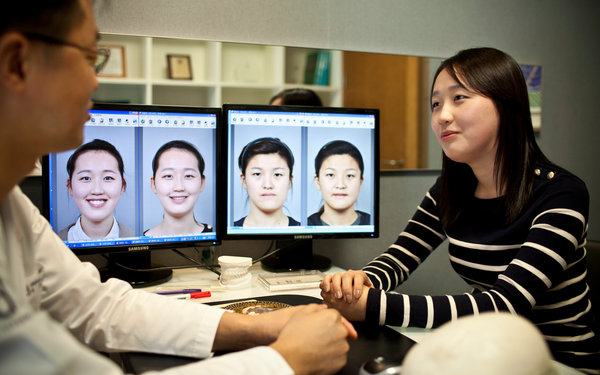
This cultural backdrop informs the experiences of celebrities who navigate a landscape where their "visuals" are considered as much a professional asset as their talent. In the K-pop industry, the pressure to conform to a specific "ideal" face—characterized by large eyes, a high nose bridge, and a slender, V-shaped jawline—is immense. This has led to a complex dynamic where stars are simultaneously expected to be exceptionally beautiful while also facing criticism if their beauty is perceived as "manufactured."
Public Debates: The G.NA and Lee Yoon-suk Exchange
The tension surrounding these standards occasionally manifests in public forums, as seen in a notable exchange between solo singer G.NA and comedian Lee Yoon-suk. During a televised discussion, Lee voiced a traditionalist disapproval of cosmetic surgery, specifically regarding his wife. He argued that such procedures could be viewed as a "violation of a marriage oath," dismissing the notion that surgery is primarily performed for self-satisfaction.
In response, G.NA offered a defense of surgical enhancement, emphasizing the role of personal happiness and psychological well-being. She cited her grandfather’s hair transplant as a catalyst for his improved self-esteem, arguing that if a physical change grants an individual a "critical self-esteem boost," it should be viewed as a valid personal choice. Lee countered by questioning why a woman should feel the need to alter her face if her partner already perceives it as perfect. The exchange highlighted a fundamental disconnect in the debate: the conflict between external validation and internal perception. G.NA’s stance represents a growing segment of the population that views cosmetic surgery as a tool for personal empowerment, yet the debate ended in frustration, illustrating the difficulty of reconciling these opposing viewpoints.

The 2013 Miss Daegu Controversy and Beauty Homogenization
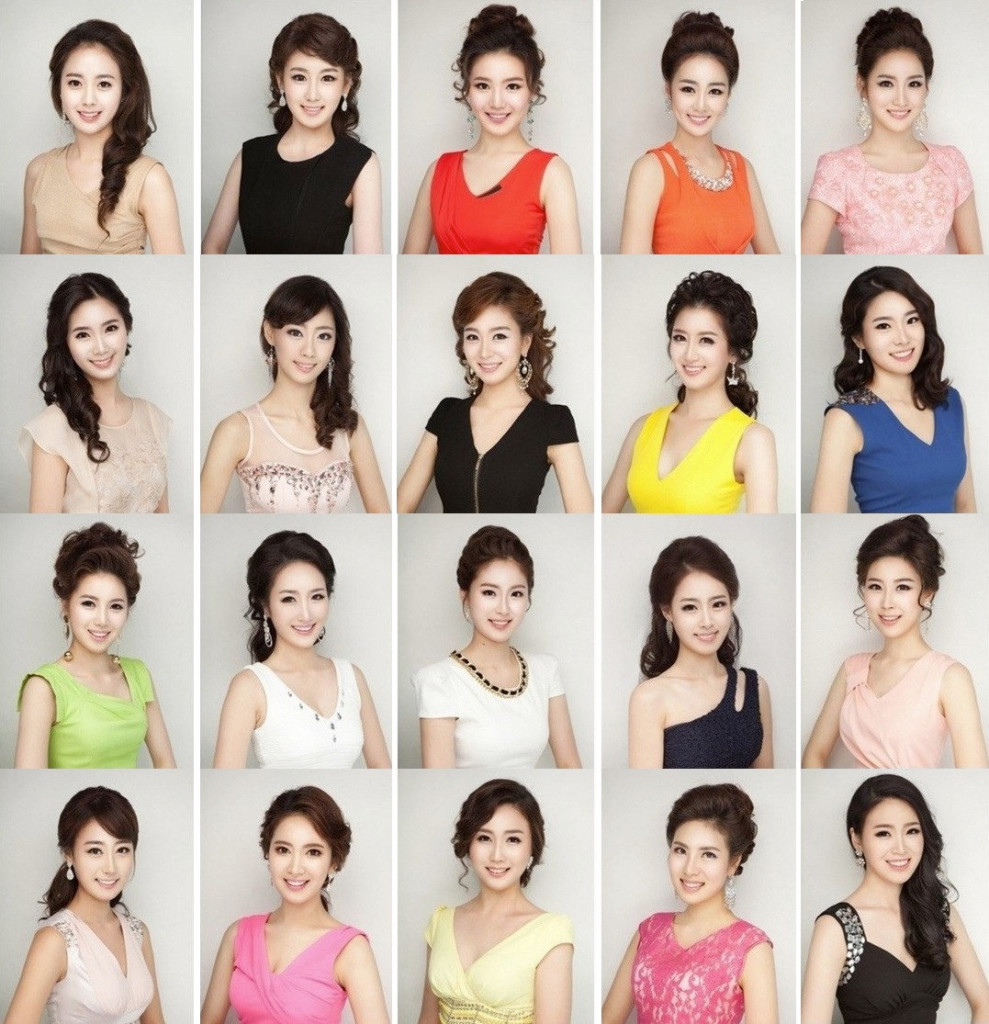
The debate over plastic surgery reached a fever pitch following the release of promotional photographs for the 2013 Miss Daegu pageant. The images, which featured twenty contestants, went viral internationally due to the striking physical similarities between the women. Critics argued that the candidates appeared to be "clones," sharing nearly identical eye shapes, nose structures, and smiles.
This incident served as a stark visual representation of what critics call the "homogenization" of Korean beauty. The contestants, including Kwak Ka-hyun, who was ultimately crowned, were seen as walking advertisements for the nation’s surgical prowess. While the pageant organizers argued that the similarities were exacerbated by heavy makeup and digital editing, the public consensus was that the images reflected a rigid and narrow definition of beauty. This homogenization raises significant questions: if everyone is striving for the same "ideal," does the individual decision to undergo surgery remain truly personal, or is it a byproduct of systemic societal pressure?
Timeline of Celebrity Admissions and Public Reaction
The history of plastic surgery in K-entertainment is marked by a gradual shift from total denial to selective transparency.

- The Era of Denial: In the early 2000s, most celebrities vehemently denied surgical rumors, often attributing changes in appearance to weight loss, puberty, or "special massage techniques."
- The Rise of Speculation: As high-definition television and digital photography became standard, "before and after" photos became more difficult to refute. Message boards became hubs for "netizen" detectives.
- Forced Transparency: Some stars, like SISTAR’s Hyorin, initially denied procedures only to later admit to them on variety shows. These admissions are often met with a mix of praise for honesty and criticism for the initial deception.
- Strategic Honesty: Groups like the Brown Eyed Girls have been noted for their candidness, even filming parodies about their surgical transformations. This approach suggests that for some, acknowledging surgery is a way to reclaim the narrative and reduce the stigma.
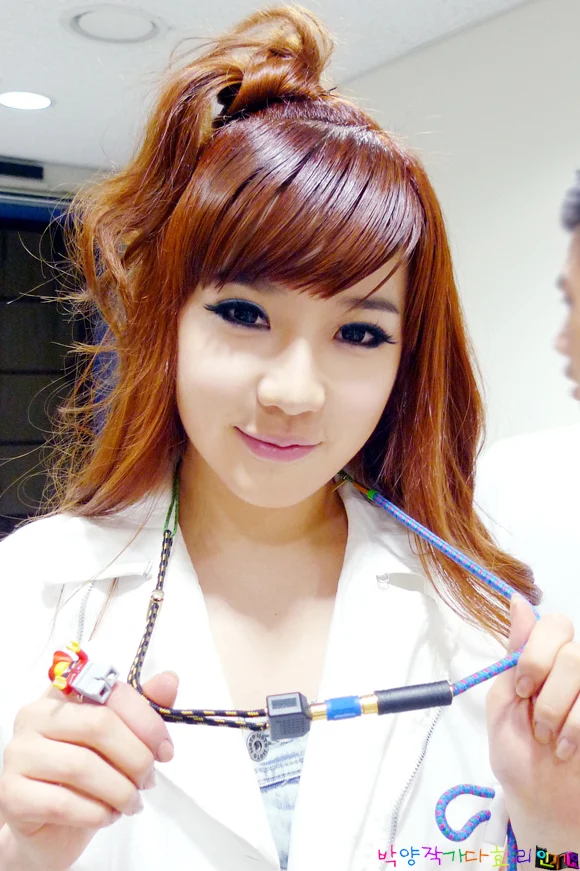
Despite these shifts, the pressure remains. Celebrities like Park Bom have frequently been the targets of intense online commentary regarding their changing features, illustrating that even when surgery is normalized, the public’s appetite for criticism remains high.
The Role of "Lookism" in South Korean Society
The drive for cosmetic enhancement is not limited to the entertainment industry; it is deeply rooted in a phenomenon known as "Lookism" (waemo-jisang-juui). In South Korea’s highly competitive job market, physical appearance is often treated as a "spec" (a qualification), similar to a university degree or an English proficiency score. Many job seekers include professional headshots with their resumes, and it is not uncommon for parents to gift their children cosmetic procedures upon high school graduation to improve their future employment and marriage prospects.
This societal structure places an inordinate amount of pressure on individuals to conform. When the media and the entertainment industry promote a single, manufactured ideal, the "personal choice" to undergo surgery becomes less about self-satisfaction and more about survival in a society that rewards a specific aesthetic. The glorification of "natural beauty" stars—those who have supposedly achieved the ideal without surgical help—only adds to this pressure, as it sets a standard that is statistically impossible for the majority of the population to meet without medical intervention.
Media Complicity and the Absence of Diverse Representation
A significant factor in the persistence of these standards is the lack of diverse representation in South Korean media. Unlike Western media markets, which have seen a rise in "body positivity" movements and the celebration of unconventional beauty, the South Korean industry remains largely focused on a monolithic aesthetic.
In many Korean dramas and variety shows, individuals who do not meet traditional beauty standards are often relegated to comedic roles or "gag" characters. Comedians like Kim Shin-young or Jung Ju-ri frequently use their appearance as the basis for self-deprecating humor. While this provides a platform for their talent, it often reinforces the idea that non-traditional looks are a "deficiency" to be mocked rather than an alternative form of beauty. The absence of "middle-ground" representation—where actors and singers can be successful without being either "perfectly enhanced" or "comically unattractive"—leaves little room for the public to embrace a broader spectrum of human appearance.
Analysis of Implications and Future Outlook
The current state of plastic surgery in South Korea represents a complex feedback loop. The media promotes a specific ideal; the public seeks surgery to meet that ideal; the success of these procedures reinforces the ideal; and the cycle continues. This has resulted in a society where the "V-line" and "double eyelid" are no longer just trends but expected norms.
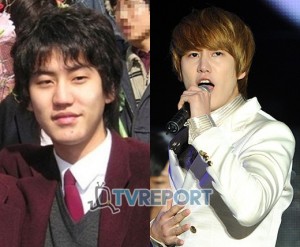
The implications of this are twofold. On one hand, the advancement of the cosmetic surgery industry has provided many individuals with increased confidence and professional opportunities. On the other hand, the "manufactured" nature of modern beauty has led to a crisis of identity and a loss of natural diversity. The "Miss Daegu" incident serves as a cautionary tale of what happens when a society prioritizes a singular standard over individual uniqueness.
For a meaningful shift to occur, the South Korean media must begin to amplify voices that advocate for self-acceptance and diverse beauty standards. While some celebrities have begun to speak more honestly about the pain and risks associated with surgery, these voices are often drowned out by the overwhelming volume of advertisements and entertainment content that glamorizes the "perfect" face. Until there is a concerted effort to decouple physical appearance from professional and social value, the "beauty belt" of Seoul will likely continue to thrive, and the debate over what constitutes "personal satisfaction" versus "societal conformity" will remain unresolved.
Related News