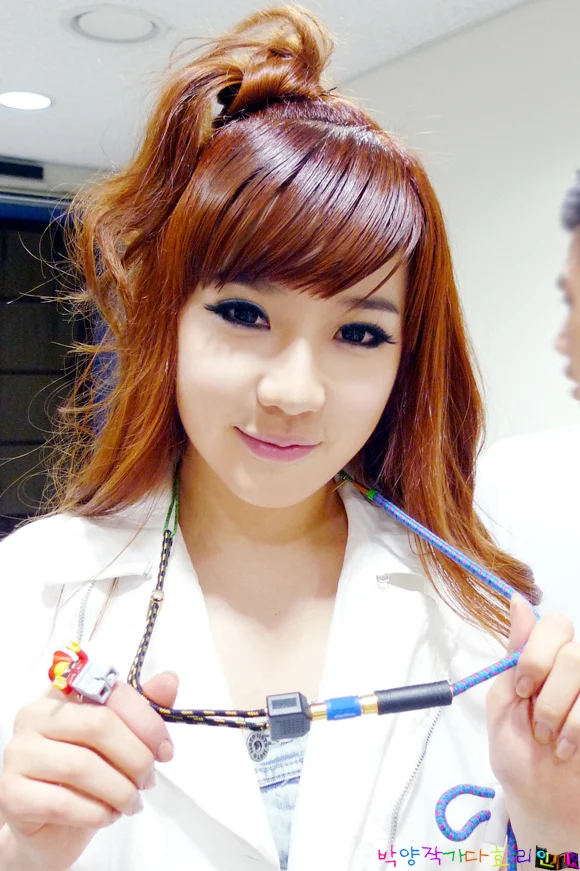
The intersection of aesthetic enhancement and cultural identity has become a defining characteristic of South Korea’s modern social landscape. In the dense proverbial forest of the Korean entertainment industry, known globally as Hallyu, it is nearly impossible to separate the success of celebrities from the ongoing discourse regarding plastic surgery. Digital platforms such as Google, Naver, and Daum frequently highlight search suggestions linking prominent stars to "before and after" comparisons, while online communities engage in meticulous analysis of facial transformations. This phenomenon reflects a broader societal shift where surgical intervention is no longer merely a medical procedure but a central pillar of South Korea’s beauty economy and social hierarchy.
The Intersection of Personal Choice and Societal Mandate
The debate surrounding plastic surgery often oscillates between the concepts of individual agency and systemic pressure. A notable instance of this public discourse occurred during a televised exchange between solo vocalist G.NA and comedian Lee Yoon-suk. The discussion was sparked when Lee expressed a traditionalist disapproval of his wife undergoing cosmetic procedures, characterizing such changes as a "violation of the marriage oath." Lee argued against the notion that surgery is performed solely for personal confidence, suggesting instead that it disrupts the natural authenticity of an individual.
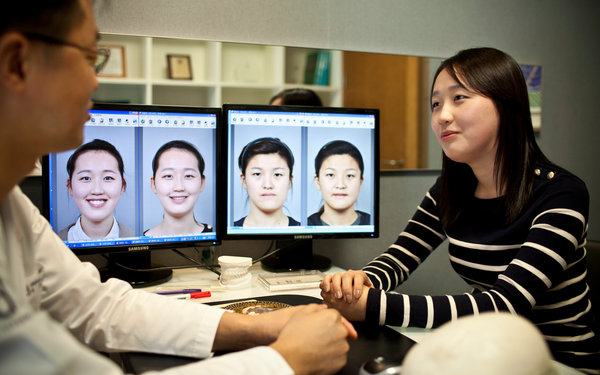
In response, G.NA defended the practice by emphasizing "personal satisfaction and happiness." She cited the example of her grandfather, whose self-esteem significantly improved following hair transplant surgery. G.NA’s argument posits that if an individual can alleviate deep-seated insecurities through medical means, the resulting boost in self-worth justifies the procedure. However, the exchange also highlighted the frustration felt by many in the industry who face a paradox: they are expected to maintain a standard of "perfect" beauty while simultaneously facing scrutiny or "plastic surgery accusations" if that beauty appears manufactured.
This tension is particularly evident in the K-pop industry, where contracts often include clauses related to physical maintenance. While stars like SISTAR’s Hyorin have occasionally admitted to procedures such as blepharoplasty (double eyelid surgery) after initial denials, the prevailing trend remains one of guarded transparency. The industry’s reliance on visual perfection creates an environment where surgical enhancement is both a prerequisite for entry and a source of potential public backlash.
The Miss Daegu 2013 Controversy and the Homogenization of Beauty
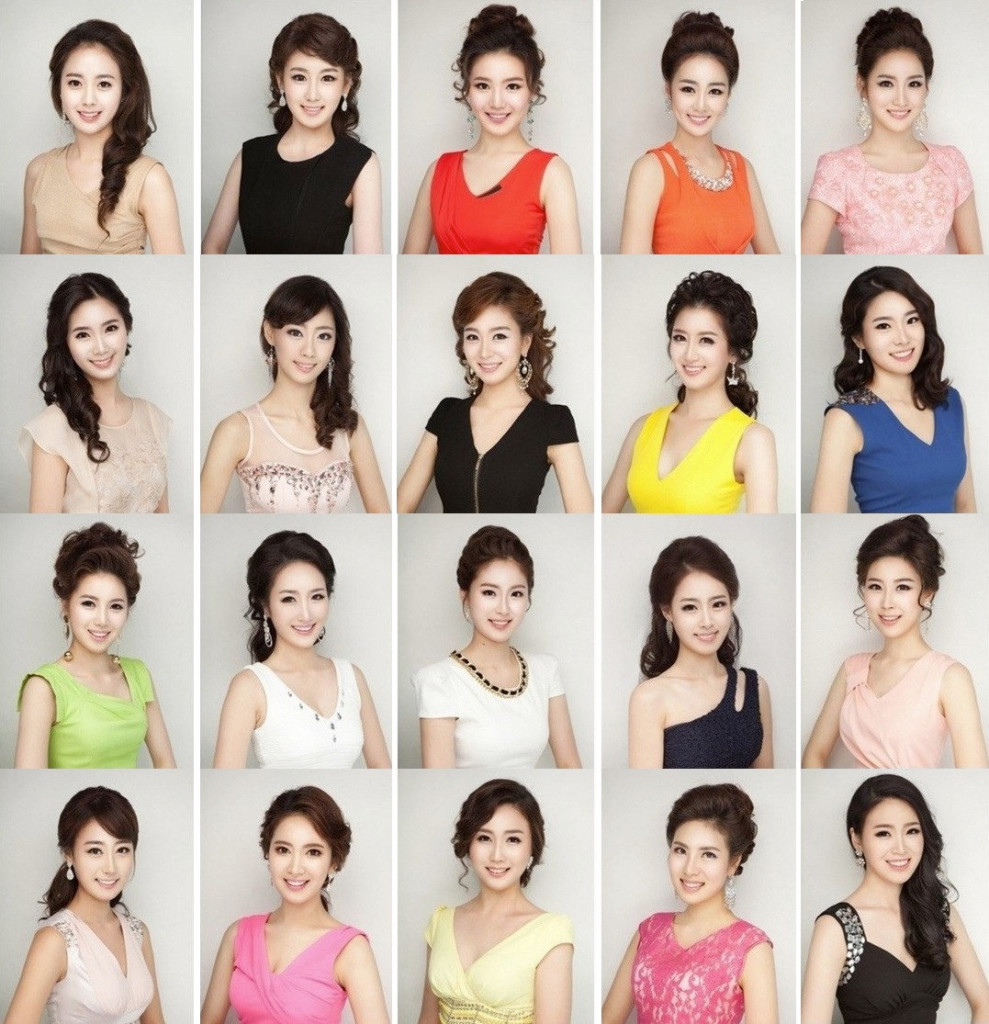
The complexities of South Korea’s aesthetic standards reached a global flashpoint during the 2013 Miss Daegu beauty pageant. Images of the twenty candidates sparked an international debate when observers noted an uncanny similarity in their facial features. The contestants all possessed what has become known as the "ideal" Korean face: large eyes with distinct double eyelids, high-bridged noses, pale skin, and soft, V-shaped jawlines.

The uniformity of the contestants led to accusations that the pageant had become a showcase for the skill of plastic surgeons rather than natural diversity. This "clone" phenomenon serves as a visual representation of how societal pressure can override individual uniqueness. When the most beautiful women in a region are indistinguishable from one another, it suggests that the standard of beauty has moved beyond a set of preferred traits to a specific, singular template. Kwak Ka-hyun, a winner in the Miss Korea system, faced similar scrutiny, illustrating that even those celebrated as the pinnacle of national beauty are not immune to the "manufactured" label.
Statistical Overview and the "Beauty Belt" Economy
South Korea’s position as a global hub for plastic surgery is supported by significant data. According to the International Society of Aesthetic Plastic Surgery (ISAPS), South Korea consistently maintains the highest rate of cosmetic procedures per capita in the world. In Seoul’s Gangnam District, specifically the Apgujeong neighborhood, a "beauty belt" exists featuring over 400 specialized clinics within a small radius.
The ubiquity of the industry is reflected in daily life:

- Advertising: Public transportation hubs, particularly subway stations in Seoul, are frequently lined with large-scale advertisements featuring dramatic transformations.
- Economic Impact: Medical tourism has become a significant revenue stream for the South Korean government, with thousands of international patients traveling to the country specifically for cosmetic procedures.
- Employment Trends: The concept of "lookism" (discrimination based on appearance) is a documented factor in the South Korean job market. Many young graduates view plastic surgery as a "spec" (specification)—a necessary qualification, alongside language scores and internships, to improve their chances of employment.
Media Influence and the Absence of Diverse Representation
A critical factor in the normalization of plastic surgery is the role of South Korean media. Unlike Western media markets, which have seen a rise in "body positivity" movements and the celebration of diverse physical types, the South Korean entertainment landscape remains largely focused on a narrow aesthetic.
In the United States, public figures like Tina Fey or Lena Dunham often provide a satirical or critical counter-narrative to the "ideal" body types promoted by figures like Kim Kardashian. Fey, in her memoir Bossypants, famously critiqued the "laundry list of attributes" women are expected to possess. In contrast, South Korean variety programming often relegates individuals who do not fit the narrow beauty standard to the role of "gagmen" or "gagwomen."
Comedians such as Kim Shin-young and Jung Ju-ri are frequently the targets of humor based on their appearance. This dynamic was perhaps most harshly illustrated in a music video by the artist Lee-hyun, which utilized Jung Ju-ri’s image in a manner that critics argued mocked her for not adhering to idol-like beauty standards. When the media reinforces the idea that there is only one "correct" way to look, and that all other appearances are subject to ridicule, the decision to undergo surgery becomes less about personal choice and more about social survival.
The Psychological Cycle and Societal Implications
The glorification of a manufactured ideal creates a self-perpetuating cycle. When celebrities and pageant winners—the most visible members of society—are rewarded for their surgical enhancements, they validate the practice for the general public. This leads to an "arms race" of aesthetics, where procedures that were once considered extreme, such as orthognathic (double jaw) surgery, are now marketed as routine cosmetic improvements.
The implications of this shift are profound:
- Erosion of Self-Acceptance: The constant exposure to "perfected" images can lead to body dysmorphic tendencies among the youth, who feel their natural features are "deficiencies" to be corrected.
- Risk and Complications: The normalization of surgery can lead patients to underestimate the risks involved in invasive procedures, including nerve damage and chronic pain.
- Social Stratification: As beauty becomes a purchasable commodity, those who cannot afford high-end procedures may find themselves at a further disadvantage in both social and professional spheres.
Future Outlook and Emerging Counter-Narratives
Despite the overwhelming trend toward homogenization, there are signs of an emerging shift in the South Korean cultural consciousness. In recent years, some celebrities have begun to speak more candidly about the pressures of maintaining their appearance. The group Brown Eyed Girls, for instance, famously addressed the topic of plastic surgery with humor and honesty in a "Saturday Night Live Korea" sketch, signaling a move toward more transparent conversations.

Furthermore, the "Escape the Corset" movement—a feminist initiative in South Korea that challenges strict beauty standards and the labor required to maintain them—has begun to gain traction among younger generations. This movement encourages women to reject the societal mandate for heavy makeup and long hair, and by extension, the pressure to undergo cosmetic surgery.
While the "beauty belt" of Apgujeong is unlikely to disappear, the dialogue is slowly expanding. For a true shift to occur, the media must create space for alternative representations of beauty that do not rely on surgical construction. Until then, the decision to undergo plastic surgery in South Korea will remain a complex negotiation between the desire for personal happiness and the unrelenting demands of a society that prizes a singular, manufactured perfection. The challenge for the future lies in whether South Korea can transition from being a world leader in surgical enhancement to a leader in the celebration of authentic, diverse human identity.