The Evolution of Global K-pop Fandom A Multistage Analysis of the Consumer Journey
Article Editorial Team

The global ascent of South Korean popular music, commonly known as K-pop, has transformed from a regional subculture into a multi-billion dollar international industry. Central to this phenomenon is the unique and intensive nature of its fandom. Unlike traditional music listeners, K-pop enthusiasts often undergo a rigorous psychological and behavioral transformation, moving through distinct stages of engagement that redefine their consumption habits, social interactions, and digital footprints. This trajectory, often described as a "fandom lifecycle," reflects the efficacy of the "Idol System" pioneered by major entertainment agencies such as SM Entertainment, YG Entertainment, and JYP Entertainment. By analyzing the transition from initial skepticism to deep-seated loyalty, industry experts can better understand the sustainability of the Hallyu Wave and its impact on the global music market.
The Catalyst of Discovery: The Introductory Stage
The entry point for most international fans is characterized by a mix of sensory overload and cultural friction. For those residing in Western markets or regions where K-pop is not mainstream, the first encounter often occurs via social media algorithms or viral trends. This stage is frequently marked by confusion. The aesthetic hallmarks of the genre—including high-budget "box" sets, synchronized choreography of high technical difficulty, and gender-fluid fashion—can be jarring to those accustomed to the more understated presentations of Western pop artists.
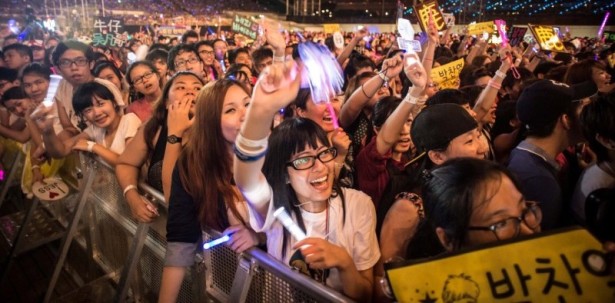
Data from the International Federation of the Phonographic Industry (IFPI) suggests that visual presentation is a primary driver of initial engagement. However, this same visual intensity often leads to a "rejection phase." Newcomers may perceive the genre as overly manufactured or "gimmicky." A common behavioral pattern during this stage involves defensive comparisons. Long-term fans often recall their early skepticism, citing instances where they viewed new groups as mere derivatives of established acts. For example, during the rise of BTS in the mid-2010s, many fans of B.A.P initially dismissed the newcomers as "clones" due to similarities in their hip-hop-centric debut concepts. This initial resistance is a documented psychological barrier that, once breached, often leads to a more profound level of commitment.
The Role of Digital Infrastructure in Investigation
Once the initial "sensory shock" subsides, curiosity typically leads to the Investigative Stage. This phase is heavily facilitated by the digital infrastructure of platforms like YouTube, TikTok, and Twitter. A single catchy hook, such as the experimental structure of Girls’ Generation’s 2013 hit "I Got a Boy," can linger in a listener’s subconscious, prompting a return to the content.
During this period, the consumer transitions from a passive observer to an active researcher. The "YouTube Rabbit Hole" effect is particularly potent in K-pop due to the sheer volume of supplementary content provided by agencies. Beyond music videos, fans discover "variety show" appearances, behind-the-scenes vlogs, and dance practice videos. This abundance of content serves to humanize the "idols," shifting the focus from the music to the individual personalities of the group members. Statistical analysis of fan behavior indicates that the transition from casual listener to dedicated fan often occurs when a consumer begins to distinguish between individual members of a group, a process colloquially known as "learning their names."

The Development of Parasocial Bonds: The Obsessive Stage
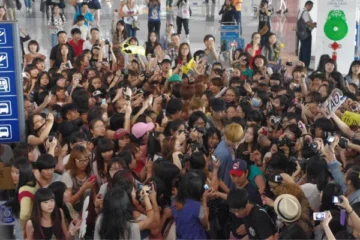
The most critical turning point in the fandom lifecycle is the Obsessive Stage, where the relationship between the fan and the artist becomes a primary component of the fan’s identity. This stage is defined by the establishment of "biases"—a term used to describe a fan’s favorite member—and "bias wreckers," members who challenge that preference.
The psychological impact of this stage is significant. Fans often experience a shift in their daily routines, prioritizing real-time updates from platforms like Weverse or Bubble over other social obligations. This period is characterized by high levels of emotional labor, where fans feel a personal responsibility for the success of their chosen group. This manifests in organized "streaming parties" to boost chart rankings and "mass voting" for year-end awards. The industry facilitates this through a reward-based ecosystem where fan engagement directly correlates with the group’s visibility and success. The emotional stakes are high; a perceived injustice against a fan’s "bias," such as a lack of screen time or lines in a song, can trigger widespread digital mobilization and collective grievance.
The Friction Between Digital Fandom and Physical Reality
As the intensity of the fandom increases, it inevitably clashes with the fan’s "real-world" responsibilities, leading to the Denial and Acknowledgement stages. Clinical observations of digital subcultures suggest that excessive immersion in virtual communities can lead to sleep deprivation, academic or professional decline, and strained interpersonal relationships with non-fans.

The "Denial Stage" is a period where the fan refuses to acknowledge the disproportionate amount of time and financial resources being dedicated to the fandom. This is often the peak of consumer spending, involving the purchase of multiple album versions to collect "photocards" or expensive concert tickets and merchandise. However, the "Acknowledgement Stage" eventually follows, often triggered by "fan burnout" or external pressures. Fans begin to recognize the "bags under their eyes" and the stack of overdue assignments. This realization often leads to a "semi-hiatus," a term frequently seen on social media profiles where fans announce a temporary withdrawal from the community to focus on their personal lives.
Rehabilitation, Relapse, and the Search for Equilibrium
The final phases of the lifecycle involve a struggle for balance. The "Rehabilitation Stage" is an attempt to reintegrate into a pre-fandom lifestyle, characterized by a return to diverse music genres and a reduction in social media monitoring. For many, this is a successful transition into a more casual form of consumption.
However, the "Relapse Stage" is equally common. K-pop agencies are experts at "re-engagement" strategies. A "comeback"—the industry term for a new release—is often preceded by a weeks-long "teaser" campaign designed to reignite excitement. For a fan in rehabilitation, the news of a favorite group winning a major award (Daesang) or announcing a world tour can trigger a return to intense fandom. The guilt of "missing out" on significant milestones often drives the fan back into the community with even greater fervor than before.

Long-term Outcomes: The Balanced Fan vs. The Renouncer
The trajectory of a K-pop fan generally concludes in one of two ways:
- The Balanced Stage: This represents the maturation of the fan. They have learned to navigate the "Yin and Yang" of their interest, enjoying the music and community without allowing it to disrupt their livelihood. They consume content within healthy limits and view their fandom as a sustainable hobby rather than an all-consuming identity.
- The Renouncement: Some fans undergo a complete detachment. This "falling out of love" can be natural, as fans age or their priorities shift. In other cases, it is reactionary. Internal fandom conflicts, "shipping wars," or scandals involving an idol can sour the experience, leading to a permanent exit from the genre.
Broader Economic and Sociological Implications
The lifecycle of a K-pop fan is more than a personal journey; it is the engine of a global economic powerhouse. According to the Korea Creative Content Agency (KOCCA), the export value of K-pop continues to grow annually, driven largely by the high "per-capita" spending of fans in the obsessive and balanced stages.
From a sociological perspective, these stages highlight the power of digital communities in the 21st century. K-pop fandom provides a sense of belonging and collective purpose that many find lacking in traditional social structures. While the "obsessive" stages carry risks of burnout, the overall experience often fosters cross-cultural understanding and digital literacy. As the industry continues to evolve with the integration of AI idols and metaverse concerts, the stages of fandom are likely to become even more complex, further blurring the lines between the consumer and the consumed.

Ultimately, the lifecycle of a K-pop fan is a testament to the genre’s ability to transcend language barriers and create a deeply personal, albeit sometimes tumultuous, connection with a global audience. Whether a fan remains for a single "era" or a lifetime, the impact of the journey remains a defining characteristic of modern pop culture consumption.
Related News