
The global ascent of the Korean music industry, commonly referred to as K-pop, has transitioned from a niche cultural export to a dominant force in the international entertainment landscape. At the heart of this multi-billion-dollar industry is a uniquely structured fandom experience that follows a predictable, multi-stage lifecycle. While individual experiences vary, the trajectory from a casual observer to a deeply invested participant—and eventually to a state of balance or renouncement—reveals a complex interplay of digital marketing, parasocial interaction, and community psychology. As K-pop continues to break records on platforms like Billboard and Spotify, understanding the mechanics of its fandom becomes essential for analyzing the broader implications of modern digital consumerism.
The Gateway Experience: Sensory Overload and Initial Resistance
The journey into K-pop fandom typically begins with the Introductory Stage, an encounter often characterized by sensory overwhelm. For audiences in Western markets or regions where K-pop is not yet mainstream, the first exposure to a music video by groups such as BTS, BLACKPINK, or B.A.P can be jarring. The high-production-value "neon box" sets, the hyper-synchronized choreography, and the fluid approach to gender aesthetics—where male idols often embrace bold makeup and experimental fashion—frequently create a barrier to entry.
Industry analysts note that this "sensory overload" is a deliberate tactical choice by major entertainment agencies like SM Entertainment and YG Entertainment. By utilizing maximalist visuals, the genre ensures it captures attention in an increasingly crowded digital marketplace. However, this often leads to an initial period of skepticism. Newcomers may perceive the genre as gimmicky or overly manufactured, sometimes dismissing it as a derivative of Western pop. In some cases, fans of established groups may even view new debuts with hostility, perceiving them as "rip-offs" of their preferred artists. This resistance is a documented psychological defense mechanism against the unfamiliar, yet it often serves as the precursor to the next, more curious phase of engagement.
The Investigative Phase: The Role of the Digital Algorithm
The transition from skeptic to seeker marks the Investigative Stage. This shift is frequently triggered by a "hook"—a specific melody, a viral dance challenge, or a single member’s charisma—that lingers in the viewer’s mind. In the current era, the YouTube and TikTok algorithms play a pivotal role in this progression. Once a user engages with a single K-pop video, the platforms begin a cycle of recommendations that expose the viewer to a broader range of content.
During this stage, the observer moves beyond the music videos and begins exploring "behind-the-scenes" content, variety show appearances, and practice room footage. This phase is characterized by a search for authenticity; the viewer looks for the human element behind the polished exterior. According to data from social media analytics firms, K-pop fans are significantly more likely than fans of other genres to consume long-form non-musical content featuring their favorite artists. This investigative behavior builds the foundation for a parasocial relationship, as the consumer begins to feel a sense of familiarity with the idols’ personalities and group dynamics.

The Deep Dive: Parasocial Bonds and the Obsessive Stage
The most intense period of the fandom lifecycle is the Obsessive Stage. This phase is defined by the total immersion of the individual into the group’s ecosystem. It is here that the specific vocabulary of K-pop takes hold: the identification of a "bias" (a favorite member), the "ultimate bias" (a favorite across all groups), and "bias wreckers" (members who challenge one’s loyalty to their primary favorite).
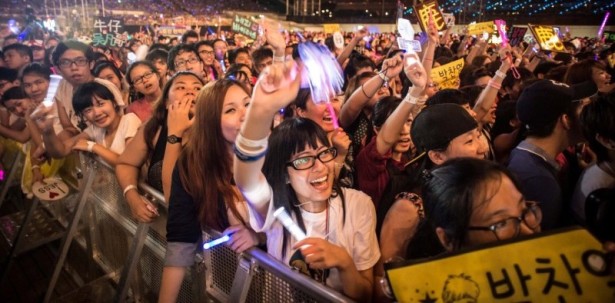
The psychological impact of this stage is profound. Fans often report a "sudden drop" into the abyss of fandom, where their daily schedules revolve around the idol’s activities. This is fueled by the industry’s "always-on" content strategy. Platforms like Weverse and Bubble allow idols to send direct messages to fans, creating an illusion of intimacy. This stage often leads to the prioritization of the fandom over real-world responsibilities. Data suggests that during a "comeback" (the release of a new album), dedicated fans may spend upwards of 10 to 15 hours a day streaming music, voting in awards polls, and translating social media posts to ensure their favorite group’s success.
Denial and the Crisis of Real-World Displacement
As the obsession deepens, many fans enter a Denial Stage. At this juncture, the fandom is no longer a hobby but a core component of the individual’s identity. Friends and family members may express concern regarding the fan’s social withdrawal or the financial cost of collecting albums and merchandise. In response, the fan often becomes defensive, rationalizing their behavior as a legitimate form of emotional support or community participation.

The internal conflict reaches a breaking point in the Acknowledgement Stage. This is the moment of clarity where the physical and social consequences of the obsession become undeniable. Symptoms such as sleep deprivation, academic or professional decline, and the erosion of non-fandom friendships force the individual to confront the reality of their situation. This "depressing slump" is often exacerbated by internal fandom conflicts, such as "fan wars" or scandals involving the idols, which can shatter the idealized image the fan has maintained. At this point, many fans declare a "semi-hiatus," attempting to distance themselves from the digital whirlpool to reclaim their personal lives.
Rehabilitation and the Challenge of the Relapse
The Rehabilitation Stage is an effort to return to a pre-fandom state of normalcy. It involves a conscious restructuring of habits: reinstating regular sleep patterns, limiting social media usage, and diversifying musical interests. The goal is to regain the ability to engage in conversations that do not revolve around the latest K-pop news.
However, the "Relapse Stage" is a common occurrence. The K-pop industry is designed to prevent "churn" (the loss of customers). Just as a fan begins to achieve distance, an agency may announce a major world tour, a long-awaited reunion, or a high-stakes award ceremony. The fear of missing out (FOMO) and the guilt of not supporting the "bias" during a milestone moment often pull the fan back into a state of high engagement. In many instances, the relapse results in an even deeper level of devotion as the fan attempts to "make up" for lost time.

The Final States: Harmony or Renouncement
Ultimately, the cycle of fandom concludes in one of two ways. The first is the Balanced Stage, where the individual achieves a sustainable equilibrium. This "yin and yang" approach allows the fan to enjoy the music and the community without allowing it to compromise their health or career. They become "casual-diehards"—fans who are deeply knowledgeable and supportive but maintain clear boundaries between their digital interests and their physical reality.
The second path is Renouncement. For some, the intensity of the experience leads to a natural burnout. As they age or as their life circumstances change, the emotional void that K-pop once filled is occupied by other pursuits. Others may leave due to "fandom fatigue"—the exhaustion caused by toxic online environments or disappointment with the industry’s business practices. For these individuals, K-pop becomes a nostalgic memory of a specific chapter in their lives rather than a lifelong passion.
Industry Implications and the Future of Fandom
The trajectory of K-pop fandom serves as a blueprint for the modern attention economy. Major entertainment conglomerates have successfully gamified the music-listening experience, turning fans into unofficial marketing and PR agents. The economic impact of this is staggering; K-pop exports reached a record high of nearly $1 billion in 2023, with physical album sales continuing to defy global downward trends.

However, the psychological toll on both fans and idols has prompted a growing discussion regarding the sustainability of this model. As the industry expands into AI-generated idols and metaverse-based fandoms, the lines between reality and digital fantasy will likely blur further. The stages of fandom—from the initial confusion to the eventual quest for balance—remain a testament to the human desire for connection and the power of curated cultural narratives in the 21st century. Whether a fan finds harmony or chooses to walk away, the journey through the K-pop ecosystem is a transformative experience that reflects the changing nature of global media consumption.