
The global ascent of Korean popular music, known internationally as K-pop, has transformed from a regional cultural export into a multi-billion-dollar pillar of the global entertainment industry. Central to this phenomenon is the unique and often intensive trajectory of the K-pop fan. Unlike traditional music consumption, K-pop fandom involves a multifaceted psychological and social journey that typically follows a predictable series of developmental stages. As the industry continues to expand, reaching a market valuation exceeding $10 billion according to recent industry reports, understanding the lifecycle of a devotee provides critical insight into the mechanics of modern consumer behavior and digital community building.
The Genesis of the Fan Experience: The Introductory Stage
The initial encounter with K-pop is frequently characterized by a mixture of sensory overload and cultural dissonance. For many international observers, particularly those in Western markets where music videos often lean toward gritty realism or minimalist aesthetics, the "Hallyu" aesthetic—marked by high-contrast color palettes, synchronized choreography, and avant-garde fashion—can be jarring. This stage is defined by the "neon box" effect, a term referring to the high-budget, studio-set music videos popularized by agencies such as SM Entertainment and YG Entertainment.
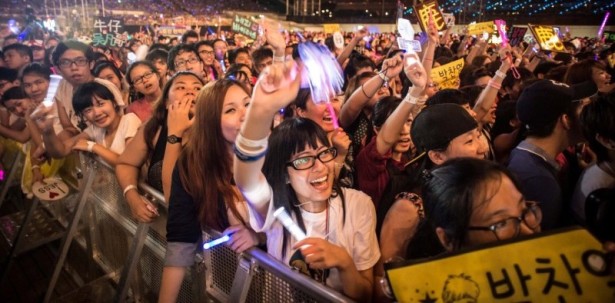
During this phase, the observer remains a casual, often skeptical, outsider. The industry’s penchant for gender-bending visuals and highly produced "gimmicks" can lead to a dismissive first impression. Historical examples include the initial reactions to groups like B.A.P or early BTS, where newcomers often struggled to differentiate between the aggressive hip-hop concepts and the polished idol system. Analysis suggests that this stage is a critical filter; many potential fans exit the cycle here, overwhelmed by the sheer volume of content and the departure from familiar musical norms.
The Investigative Phase: The Role of the Digital Algorithm
If the initial curiosity is not immediately extinguished, the consumer enters the investigative stage. This transition is heavily facilitated by digital platforms such as YouTube, TikTok, and Instagram. The "I Got a Boy" effect—named after Girls’ Generation’s 2013 experimental hit—illustrates this perfectly. A song that initially feels chaotic or disjointed begins to reveal its structural complexity upon repeated listens.
In this stage, the consumer moves from passive observation to active research. The focus shifts from the music itself to the individuals behind the performance. The "bias" system—a K-pop-specific vernacular for a favorite member—begins to take root. Data from social media analytics firms indicate that once a user begins searching for individual member profiles or "fancams," their engagement metrics increase by over 300%. This is the point of no return for many, as the "rabbit hole" of variety show appearances, behind-the-scenes vlogs, and reality programs like Run BTS or NCT Life provides an endless stream of parasocial fuel.

The Abyss of Total Fandom: The Obsessive Stage
The third stage is characterized by a total immersion into the ecosystem of the chosen group. This is the most intense period of the fandom lifecycle and is often the most lucrative for the South Korean entertainment "Big Four" (HYBE, SM, JYP, and YG). During this phase, the fan’s daily schedule often revolves around the "comeback cycle"—the period when a group releases new music and promotes it across various platforms.
The obsessive stage involves several key behaviors:
- The Creation of the Bias List: Fans rank members based on talent, personality, and visual appeal, often leading to internal conflicts known as being "bias-wrecked."
- Digital Vigilance: Constant monitoring of platforms like X (formerly Twitter), Weverse, and Bubble for real-time updates.
- Forced Evangelism: Attempting to convert friends and family through "MV marathons," a behavior that can lead to social friction.
Psychologically, this stage represents the peak of the parasocial relationship. Fans feel a personal responsibility for the group’s success, leading to organized efforts in digital streaming, billboard voting, and bulk album purchasing to influence music chart rankings.

The Denial and Acknowledgement Cycle
As the intensity of the fandom begins to impact the individual’s external life—manifesting in neglected academic or professional responsibilities—the stage of denial begins. This is a defensive mechanism where the fan justifies the expenditure of time and financial resources as a necessary component of their identity. Industry analysts note that K-pop fans are among the most loyal consumers in the world, often spending thousands of dollars annually on merchandise, concert tickets, and digital content.
However, the "acknowledgement stage" eventually follows, often precipitated by "fandom burnout." This occurs when the emotional labor of keeping up with a group’s rigorous schedule becomes unsustainable. The fan begins to recognize the physical and mental toll of their devotion, such as sleep deprivation from watching late-night South Korean livestreams or the financial strain of collecting limited-edition photocards. This realization often leads to a self-imposed "semi-hiatus," where the fan attempts to distance themselves from the digital community to regain a sense of normalcy.
Rehabilitation and the Risk of Relapse
The rehabilitation stage is a period of detoxification. Fans attempt to return to their pre-K-pop interests, diversifying their music playlists and reclaiming their time. During this period, a former devotee might find themselves able to engage in social interactions without referencing G-Dragon’s latest fashion choice or SHINee’s iconic "Ring Ding Dong" choreography.

Despite these efforts, the "relapse" is a common phenomenon. The K-pop industry is designed to prevent exit; agencies utilize sophisticated marketing tactics, such as anniversary content and "teaser" campaigns, to trigger nostalgia and re-engage dormant fans. Finding out that a beloved group has won a major award (Daesang) or is embarking on a world tour often acts as a catalyst, pulling the fan back into the cycle of devotion. This relapse can sometimes be more intense than the initial obsession, as the fan attempts to "make up" for lost time.
The Final Divergence: Balance vs. Renouncement
The lifecycle of a K-pop fan typically concludes in one of two ways:
The Balanced Stage
The fan achieves a "Zen" state of fandom. They continue to support the group and enjoy the music but have decoupled their personal happiness and daily schedule from the idol’s activities. This demographic represents the "mature" fan base, providing the industry with a stable, long-term revenue stream that is less volatile than the younger, obsessive demographic. They enjoy the content within healthy limits, treating it as a hobby rather than a lifestyle.

The Renouncement
Conversely, some fans undergo a total renouncement. This often occurs due to life stage transitions—such as entering the workforce or starting a family—where the "wild hormones" of youth no longer align with the idol aesthetic. In other cases, external factors such as group scandals, the departure of a favorite member, or perceived mismanagement by the agency can permanently sour the relationship. For these individuals, K-pop becomes a closed chapter of their past, viewed with a mixture of fondness and bewilderment.
Broader Impact and Industry Implications
The journey of the K-pop fan is not merely a personal narrative; it is the engine of a significant economic force. The South Korean government has identified the "Hallyu" wave as a primary tool of soft power, influencing global trends in beauty, fashion, and technology. The rigorous stages of fandom ensure that the industry remains resilient; even as some fans exit the cycle, the investigative stage is constantly pulling in new demographics from emerging markets in Southeast Asia, Latin America, and Europe.
Furthermore, the structured nature of these fandoms has led to unprecedented levels of social organization. K-pop fans have made headlines for their collective action in political and social spheres, proving that the skills learned during the "obsessive stage"—such as digital mobilization and coordinated communication—have real-world applications.

In conclusion, the evolution from a confused observer to a balanced devotee (or a former fan) is a complex process shaped by digital architecture, psychological needs, and corporate strategy. As K-pop continues to integrate into the global mainstream, the lifecycle of the fan remains a testament to the power of music to create deep, albeit sometimes turbulent, human connections across cultural and linguistic barriers. Whether one emerges with a balanced appreciation or leaves the genre behind, the experience of being a K-pop fan is a unique hallmark of 21st-century cultural consumption.