The Global Canvas: K-pop’s Masterful Articulation of Fashion and Silhouette
Article Editorial Team
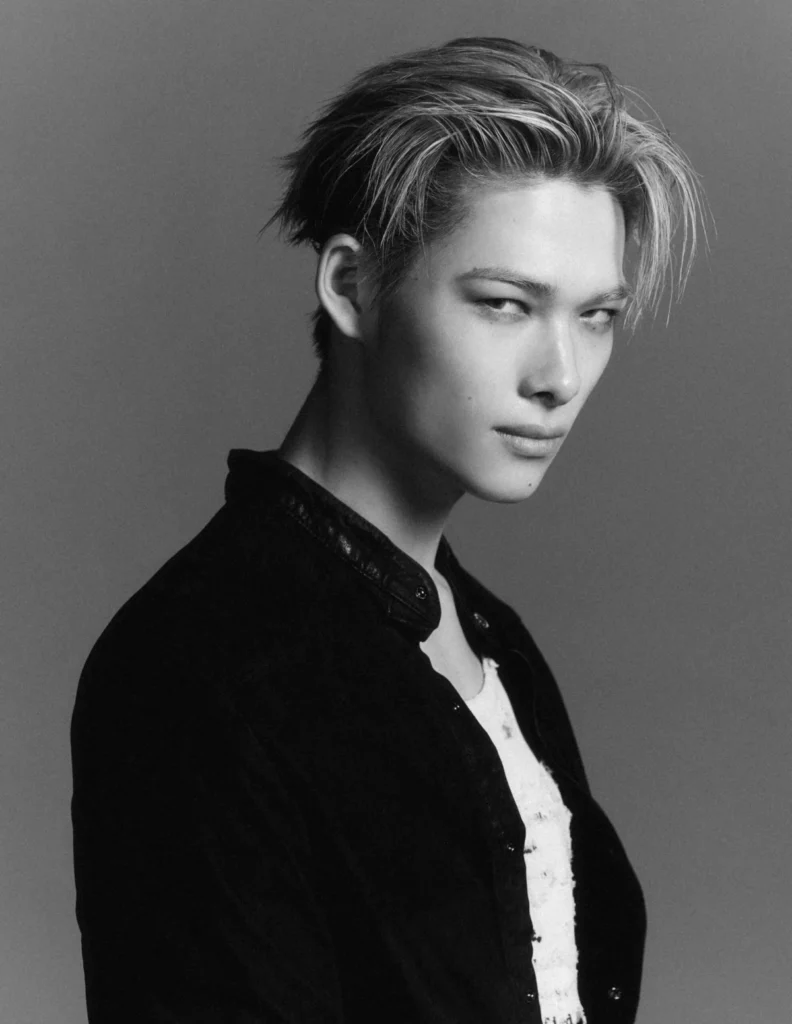
Welcome back to another instalment of For Your Viewing Pleasure, where we take time out of the week to curate a set of photos from the K-pop landscape. This recurring feature serves as a crucial lens through which to examine the evolving interplay between performance artistry, celebrity persona, and high fashion, particularly focusing on the deliberate construction of visual narratives through sartorial choices. Every outfit, meticulously chosen and executed, possesses its own fit and form, contributing significantly to the overall aesthetic message conveyed by an artist. The creation of a strong, memorable silhouette is paramount in contemporary fashion, especially within the visually driven K-pop industry, where every detail — from the precise cut of a blazer to the dramatic flare of a skirt — is engineered for maximum impact. In a recent collection of curated imagery, prominent K-pop idols and actors showcased a striking array of silhouettes, demonstrating a sophisticated understanding of tailored lines, statement footwear, and the fluid dynamics of fabric to construct visually arresting ensembles. This exploration highlights not only individual stylistic prowess but also the broader trends and meticulous efforts that underpin K-pop’s profound influence on global fashion.
The Art of Silhouette: Precision and Poise in K-pop Fashion
The recent compilation of visuals underscores the diverse approaches artists employ to define their silhouettes, reflecting a strategic blend of personal style and conceptual alignment. For instance, aespa’s Ningning and actor Heo Nam-jun exemplify the enduring power of sharp, impeccably tailored suits. Ningning, a prominent figure in the globally recognized K-pop group aespa, often presents a blend of futuristic and classic aesthetics. Her choice of a sharp suit, likely captured in a high-fashion editorial such as those found in Elle or Harper’s Bazaar, transcends mere menswear, recontextualizing it with a feminine edge that emphasizes strength, sophistication, and a commanding presence. The tailoring on such a piece is critical; clean lines, defined shoulders, and a structured waist work in concert to create a silhouette that is both authoritative and elegant. Similarly, actor Heo Nam-jun, known for his versatile roles, harnesses the inherent gravitas of a well-fitted suit. His portrayal through fashion often leans into a refined, mature aesthetic, where the suit’s silhouette communicates professionalism and an understated confidence. The architectural integrity of a suit, with its sharp angles and defined structure, intrinsically crafts a powerful visual statement that is universally understood as indicative of polish and purpose.

In contrast to the structured formality of suiting, actor Lee Chae-min offers a masterclass in monochromatic elegance with an all-white ensemble. White, a color often associated with purity, simplicity, and modernity, when executed head-to-toe, creates a striking and unified silhouette. The absence of color breaks allows the eye to appreciate the cut, texture, and flow of the garments themselves. Lee Chae-min’s choice likely features subtle variations in fabric or layering to add depth without disrupting the cohesive visual line. This approach requires careful consideration of fit to avoid a shapeless appearance; instead, the ensemble would have been sculpted to enhance his physique, perhaps with strategic draping or tailored elements that gently define the form beneath the flowing fabric. The impact is one of minimalist chic, a sophisticated simplicity that speaks volumes without relying on overt embellishment.
Park Ji-hoon, a multi-talented artist known for his acting and musical endeavors, embraces a more opulent and theatrical silhouette through an elegant robe embellished with flashes of turquoise. Robes, particularly in high fashion, can be incredibly versatile, offering both fluidity and a sense of grandeur. The silhouette here would be characterized by its luxurious drape, often creating a long, flowing line that elongates the figure. The turquoise embellishments would not only provide a vibrant contrast but also serve to highlight specific elements of the robe’s cut or texture, drawing attention to its craftsmanship. This choice suggests a narrative of artistic expression and individuality, where fashion becomes an extension of creative identity, moving beyond conventional attire into the realm of wearable art. Such a look, often seen in high-concept photoshoots or exclusive events, demonstrates a willingness to push boundaries and embrace dramatic flair, a hallmark of K-pop’s adventurous fashion landscape.
Actress Lim Ji-yeon, celebrated for her compelling performances, presents a deceptively simple yet profoundly stylish look through a structured coat. The power of a structured coat lies in its ability to redefine the wearer’s upper body and create a strong, clean line. Whether it’s an oversized trench, a sharply cut blazer-coat, or a minimalist wool design, the silhouette is dictated by the shoulders, lapels, and overall length. Lim Ji-yeon’s choice would emphasize architectural precision, possibly with sharp shoulders or a defined waist, creating a powerful yet understated elegance. The "deceptively simple" aspect implies that while the initial impression might be one of minimalism, closer inspection reveals intricate detailing, superior fabric quality, and a cut that is expertly tailored to flatter and empower. This approach aligns with a timeless fashion sensibility, proving that impact often comes from restraint and meticulous execution.
A special mention must unequivocally go to Itzy’s Ryujin, whose bold pink flares paired with glamorous silver heels delivered an exceptionally striking silhouette. This ensemble is a masterclass in combining vibrant color with dramatic form. Flared trousers, especially in a bold hue like pink, inherently create a dynamic silhouette that broadens from the hip or thigh down, offering a sense of movement and retro-inspired chic. When paired with high heels, the flares gain an elongated, almost sculptural quality, creating an exaggerated leg line that is both playful and powerful. The "glamorous set of silver heels" would further amplify this effect, adding a touch of sparkle and elevating the entire look. Ryujin’s choice is indicative of K-pop’s embrace of bold, trend-setting fashion, where individuality and impactful visual statements are highly valued. This specific combination speaks to a confident, edgy aesthetic that is characteristic of Itzy’s public image and their musical style.

K-pop’s Stylistic Evolution: A Chronology of Influence
The emphasis on meticulously crafted silhouettes in K-pop fashion is not a recent phenomenon but rather the culmination of decades of stylistic evolution. From its nascent stages in the early 1990s, K-pop fashion has undergone significant transformations, mirroring and often dictating global trends.
First Generation (1990s – Early 2000s): Early K-pop groups like H.O.T., Sechs Kies, and S.E.S. often presented uniform looks, reflecting a strong emphasis on group identity over individual expression. Their fashion was heavily influenced by Western hip-hop and R&B styles, featuring baggy pants, oversized jackets, and bold logos. Silhouettes were generally loose and comfortable, prioritizing performance functionality and a rebellious, youthful image. While individual elements might have been striking, the overall group silhouette was often cohesive but less focused on tailored precision.
Second Generation (Mid-2000s – Early 2010s): This era saw groups like Girls’ Generation, BIGBANG, and TVXQ pushing boundaries, experimenting with more diverse concepts. Girls’ Generation popularized the "schoolgirl" look but quickly diversified into various feminine aesthetics, from elegant dresses to military-inspired outfits. BIGBANG, particularly G-Dragon, became pioneers in high fashion integration, fearlessly blending luxury streetwear with avant-garde pieces. This generation started to introduce more distinct silhouettes – from the sleek, synchronized lines of "Gee" to the eclectic, layered looks championed by BIGBANG. Stylists began to play a more prominent role, understanding the potential of fashion to enhance a group’s unique brand.

Third Generation (Mid-2010s – Late 2010s): Groups like EXO, BTS, BLACKPINK, and TWICE propelled K-pop onto the global stage, and with it, their fashion became a worldwide phenomenon. This era marked a significant increase in collaborations with luxury brands. BTS, for instance, transitioned from more casual, youthful looks to becoming ambassadors for brands like Louis Vuitton and Dior, showcasing impeccably tailored suits and sophisticated streetwear. BLACKPINK established themselves as fashion icons, each member becoming a global ambassador for different luxury houses (Jennie for Chanel, Lisa for Celine, Rosé for Saint Laurent, Jisoo for Dior). Their fashion consistently featured sharp, feminine silhouettes, often blending edgy elements with classic haute couture. This period solidified K-pop’s reputation as a fashion powerhouse, with idols regularly gracing the front rows of international fashion weeks. The silhouettes became more deliberate, often designed to maximize visual impact on global platforms, combining performance practicality with high-fashion aesthetics.
Fourth Generation (Late 2010s – Present): Contemporary groups like aespa, Itzy, Stray Kids, and ENHYPEN continue this trajectory, further blurring the lines between K-pop and high fashion. The focus on individual member styling, while maintaining group cohesion, is more pronounced. Concepts often involve intricate storytelling through fashion, demanding unique and impactful silhouettes that support narrative arcs. The integration of cutting-edge technology in performances also influences fashion choices, leading to more futuristic and experimental silhouettes. The examples cited earlier – Ningning’s sharp suit, Ryujin’s bold flares – are quintessential illustrations of this era’s commitment to distinct and memorable sartorial statements. Agencies like Belift Lab (ENHYPEN), JYP Entertainment (Itzy), and Pacific Music Group Korea (managing various artists) invest heavily in creating these distinct visual identities, understanding that fashion is an integral component of an idol’s appeal and global marketability.
The Economic Engine of K-pop Fashion: Brand Ambassadorships and Global Market Influence
K-pop’s engagement with fashion is not merely an aesthetic choice; it is a powerful economic force. The industry has effectively leveraged its global appeal to create a symbiotic relationship with luxury fashion brands, generating significant revenue and brand exposure.

Brand Ambassadorships: K-pop idols have become highly sought-after brand ambassadors, and their influence extends far beyond mere endorsements. When an idol like BLACKPINK’s Jennie is seen wearing Chanel, or BTS’s V dons Celine, the items frequently sell out globally within minutes – a phenomenon dubbed the "sold-out effect." This unparalleled market power stems from K-pop’s massive, highly engaged, and often affluent global fanbase. Luxury houses such as Gucci (explicitly mentioned in the original article as an image source, indicating brand association), Chanel, Dior, Louis Vuitton, and Celine have established lucrative partnerships, recognizing that K-pop stars offer a direct conduit to younger, digitally native consumers who are increasingly driving luxury market growth. These collaborations elevate the idols’ status as fashion icons while providing brands with unprecedented visibility and sales. The meticulous curation of silhouettes in editorials for magazines like Elle, Singles, and Harper’s Bazaar serves as prime marketing content, showcasing these brand associations and influencing consumer purchasing decisions.
Fashion Weeks and Global Platforms: The presence of K-pop idols at international fashion weeks in Paris, Milan, New York, and London has become a staple. Their attendance generates immense media buzz, dominating social media trends and garnering millions of dollars in earned media value for the brands they represent. These events are strategic opportunities for idols to showcase cutting-edge fashion and reinforce their status as global trendsetters. The outfits chosen for these high-profile appearances are carefully selected to create impactful silhouettes that capture photographic attention and generate headlines, further cementing the link between K-pop and haute couture.
Merchandise and Fan Engagement: Beyond luxury, fashion extends into K-pop merchandise. From concert apparel to collaborative capsule collections, fans eagerly purchase items associated with their favorite groups. This creates a direct economic pipeline, where fashion becomes a tangible link between the artist and their audience. The stylistic choices made by idols in their official content often inspire fan fashion, leading to micro-trends and fostering a sense of community through shared aesthetics.
Behind the Seams: The Crucial Role of Stylists and Agencies

The impeccable fashion showcased by K-pop artists is the result of a highly specialized and collaborative effort, primarily driven by professional stylists and the strategic direction of entertainment agencies.
Collaboration and Expertise: K-pop stylists are not just clothing selectors; they are visual architects. They work closely with creative directors, music producers, and the idols themselves to develop concepts that align with a group’s musical release, public image, or individual personality. This involves extensive research into current fashion trends, historical references, and conceptual themes. They must possess a deep understanding of body types, fabric properties, and the demands of performance (comfort, durability, visual impact under stage lights). The selection of garments, accessories, and footwear – all contributing to the final silhouette – is a painstaking process, often involving custom-made pieces, extensive fittings, and coordination with various fashion houses.
Image Management and Brand Building: Entertainment agencies like Belift Lab, JYP Entertainment, and Pacific Music Group Korea recognize that an idol’s visual identity is as crucial as their musical talent. They invest significant resources in hiring top-tier styling teams, understanding that fashion plays a pivotal role in brand building and public perception. A well-defined fashion concept can differentiate a group in a saturated market, attract new fans, and solidify existing fan loyalty. The choice between a sharp, tailored silhouette and a flowing, ethereal one, for example, communicates specific aspects of an artist’s persona or the thematic content of their work.
Seamless Integration: The best K-pop styling is often so seamlessly integrated with the music and performance that it feels like an extension of the artistry itself. The outfits are not just worn; they are performed in. This requires a nuanced understanding of how fabrics move, how colors appear on camera, and how different silhouettes contribute to the overall stage presence and choreography. The creation of a striking collection of silhouettes, as observed in the featured images, is a testament to this integrated approach, where fashion is a core component of the K-pop experience.

Global Impact and Cultural Exchange: K-pop’s Fashionary Footprint
The influence of K-pop fashion extends far beyond the confines of the entertainment industry, making a significant impact on global style, challenging traditional norms, and fostering cultural exchange.
Redefining Global Trends: K-pop idols are now considered global fashion trendsetters. Their daring choices, such as Ryujin’s bold pink flares or Ningning’s futuristic suits, often find their way into mainstream fashion, influencing designers, fast-fashion retailers, and street style worldwide. The accessibility of K-pop content through social media platforms like Instagram, TikTok, and YouTube means that trends originating from Seoul can rapidly disseminate across continents, inspiring millions. This rapid diffusion underscores K-pop’s unique position as a cultural aggregator and disseminator.
Challenging Norms and Promoting Diversity: K-pop fashion frequently challenges gender norms and promotes a more fluid approach to style. Male idols often wear traditionally feminine elements like lace, pearls, or tailored skirts, while female idols confidently sport power suits and avant-garde menswear-inspired looks. This gender-fluid aesthetic resonates with younger generations globally, contributing to a broader conversation about self-expression and identity through clothing. Furthermore, K-pop’s embrace of diverse fashion influences, from traditional Korean elements to cutting-edge Western designs, fosters a rich cultural dialogue, making fashion a vehicle for cross-cultural understanding and appreciation.

The Future of K-pop Fashion: Looking ahead, K-pop fashion is poised for continued innovation and global expansion. Expect to see further integration of sustainable practices, with brands and agencies increasingly focusing on eco-friendly materials and ethical production. Technological advancements will likely lead to more interactive and digitally enhanced garments, blurring the lines between physical and virtual fashion. As K-pop continues its global ascent, its fashion will undoubtedly remain a dynamic and influential force, constantly evolving, inspiring, and shaping the sartorial landscape worldwide.
In conclusion, the meticulous attention to detail in crafting strong silhouettes, as highlighted in the curated feature, is emblematic of K-pop’s sophisticated approach to visual artistry. From the sharp tailoring of a suit worn by Ningning or Heo Nam-jun, to the minimalist grace of Lee Chae-min’s all-white ensemble, the dramatic flair of Park Ji-hoon’s embellished robe, the understated power of Lim Ji-yeon’s structured coat, and the audacious confidence of Ryujin’s pink flares, each outfit is a deliberate statement. This phenomenon is not accidental but rather the product of a complex ecosystem involving dedicated stylists, strategic entertainment agencies, and powerful collaborations with global luxury brands. K-pop fashion, through its rich chronological evolution and profound economic and cultural impact, has cemented its status as a formidable force in the global fashion industry, continually pushing boundaries and redefining what it means to be a style icon in the 21st century.
Related News