The Growing Crisis of Sasaeng Culture in the K-pop Industry: A Comprehensive Analysis of Fan Extremism and Artist Safety
Article Editorial Team

The South Korean music industry, globally recognized as K-pop, faces an enduring and escalating challenge known as "sasaeng" culture, a phenomenon characterized by extreme fans who engage in stalking and invasive behaviors that frequently border on criminal activity. The term "sasaeng," derived from the Korean words for "private life" (sasaenghwal), refers to individuals who obsessively follow idols twenty-four hours a day, seven days a week, disregarding legal boundaries and personal privacy. While fandom is the lifeblood of the entertainment industry, the transition from dedicated support to obsessive harassment has created a hazardous environment for artists, particularly those under major labels like SM Entertainment. Recent incidents involving the rookie group EXO have brought this issue to the forefront of international discourse, prompting a deeper investigation into the systemic causes of fan extremism and the potential strategies for mitigating these risks.
The Mechanics of Sasaeng Harassment
Sasaeng behavior is distinct from traditional fandom due to its intrusive and often illegal nature. These individuals do not merely attend concerts or buy albums; they actively track an idol’s every movement. A common tool in this pursuit is the "sasaeng taxi," a specialized chauffeur service where drivers are paid significant sums to follow an artist’s van at high speeds, often resulting in dangerous traffic violations and accidents. Beyond physical stalking, these fans employ sophisticated methods to breach privacy, including hacking into personal mobile phones to obtain contact lists, private messages, and social media credentials.
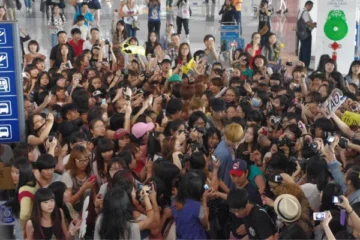
The theft of personal belongings is another hallmark of this subculture. There have been documented cases of sasaengs stealing undergarments from idol dormitories or purchasing stolen personal items through underground markets. Perhaps most distressing are the instances of home invasion. High-profile groups such as TVXQ have historically dealt with fans entering their private residences, taking photographs of members while they sleep, and even attempting to plant recording devices. For groups like EXO, the harassment has manifested in intrusive recordings, such as an incident where a fan allegedly recorded member Tao singing in the shower, and frequent "airport stampedes" where members are physically shoved, tripped, or grabbed by mobs of fans attempting to get closer to their idols.

A Chronology of Extremism: From First Generation to the Present
The evolution of sasaeng culture can be traced back to the inception of the modern K-pop idol system in the 1990s. During the first generation of K-pop, fans of groups like H.O.T. and Sechs Kies were known for intense rivalries that occasionally turned into physical altercations. However, the rise of the second generation, led by TVXQ, marked a shift toward the modern definition of sasaeng behavior. TVXQ is widely considered to have experienced the most severe levels of fan stalking in the history of the industry, with members reporting that they felt like "prisoners" in their own lives due to the constant presence of hundreds of fans outside their dorms and offices.
As the industry transitioned into the third generation, the debut of EXO in 2012 by SM Entertainment triggered a new wave of extreme obsession. The group’s rapid ascent to fame was mirrored by an equally rapid escalation in fan misconduct. In a 2013 interview with Sports Seoul, the members of EXO expressed profound distress over the situation, describing the behavior of sasaengs as a "burdensome" intrusion that affected not only their professional lives but also their mental well-being and the safety of their families. This timeline suggests that as the global reach of K-pop expands, the intensity of its most obsessive fans grows in tandem, fueled by increased digital connectivity and the high-pressure marketing strategies of major entertainment corporations.

Contributing Factors to Fan Obsession
Several factors contribute to the proliferation of sasaeng culture, many of which are rooted in the structural design of the K-pop industry itself.
1. The Influence of Major Entertainment Labels
The prestige of a "Big Three" company—SM, YG, and JYP—acts as a catalyst for high expectations and intense fan engagement. When a company with a proven track record of success, such as SM Entertainment, announces a new group, it attracts a massive audience instantly. This pre-packaged fame often includes a segment of fans who feel a sense of entitlement to the artists’ lives, viewing them as products of the company rather than individuals with a right to privacy.

2. The Marketing of the "Accessible" Idol
K-pop marketing frequently relies on creating a "parasocial relationship," where fans feel an intimate emotional connection with idols through frequent variety show appearances, live streams, and fan-service interactions. While this drives commercial success, it can blur the lines for younger, less mature fans who may struggle to distinguish between a professional persona and a private individual. This is particularly prevalent among teenage demographics, where the lack of life experience can lead to obsessive behaviors being mistaken for "true devotion."
3. Concept-Driven Fandoms and "Shipping"
The use of complex backstories, "universes," and the promotion of close physical proximity between members (often referred to as "shipping" or OTPs/One True Pairings) can inadvertently fuel delusions. When fans become overly invested in the fictionalized or curated relationships between group members, they may go to extreme lengths to verify these dynamics in the artists’ private lives, leading to stalking and the invasion of personal space.

Official Responses and Legal Implications
The response from the industry and legal authorities has historically been criticized as insufficient, though shifts are beginning to occur. In the past, companies were often hesitant to take legal action against sasaengs for fear of alienating the broader fan base or creating "bad PR." However, the physical and psychological toll on artists has forced a change in strategy.
Shinhwa’s Kim Dong-wan famously set a precedent for boundary-setting early in his career by telling fans, "Shinhwa is not responsible for your lives." While this resulted in a temporary loss of fans, it established a culture of mutual respect that has sustained the group for decades. More recently, groups like EXO have used media platforms to explicitly plead with fans to stop their intrusive behavior.

Legal experts suggest that the most effective deterrent is the "lawyer up" approach. By treating sasaeng behavior as criminal stalking rather than "overzealous fandom," companies can leverage South Korea’s evolving stalking laws to protect their artists. In recent years, there has been a push for more stringent legislation that allows for the prosecution of individuals who repeatedly harass celebrities, moving beyond simple fines to potential prison sentences.
Analysis of Implications for the Future of K-pop
The persistence of sasaeng culture poses a significant threat to the long-term sustainability of the K-pop model. The mental health of idols is a growing concern, with many artists reporting anxiety, depression, and sleep disorders resulting from the constant surveillance. If the industry fails to protect its primary assets—the artists themselves—it risks a talent drain or a series of public crises that could damage the "Hallyu" (Korean Wave) brand internationally.

Furthermore, the rise of digital tools has made it easier for sasaengs to organize and share private information. The "Delete the Internet" sentiment, while hyperbolic, highlights the difficulty of maintaining privacy in an age of constant connectivity. For future groups, the strategy may shift toward more controlled debuts with less initial hype to prevent the "explosion" of obsessive behavior seen with EXO. Additionally, focusing on older demographics or "noonas" (older female fans), who are perceived to have more maturity and financial independence, may offer a more stable and less volatile fan environment.
In conclusion, sasaeng culture is a dark byproduct of the intense passion that drives K-pop’s global success. While the industry thrives on the dedication of its fans, a clear line must be drawn between admiration and harassment. Protecting artists from the invasive actions of sasaengs is not only a matter of human rights but also a necessity for the continued growth and health of the South Korean entertainment sector. As the industry matures, the implementation of stricter legal measures, more responsible marketing, and a collective effort from the global fan community to self-regulate and condemn stalking behavior will be essential in ensuring that K-pop remains a safe and enjoyable genre for both performers and audiences alike.
Related News