The Institutionalized Inequality of South Koreas Military Conscription: The Se7en and Sangchu Scandal and the Crisis of the Celebrity Recruit System
Article Editorial Team
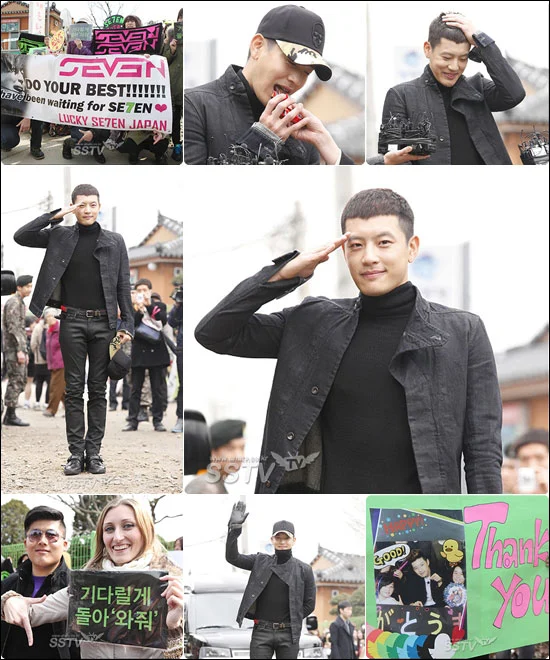
In the Republic of Korea, military service is viewed as the ultimate equalizer, a mandatory rite of passage that theoretically transcends social class and professional status. Under the Military Service Act, all able-bodied South Korean men are required to perform approximately 21 months of service—a necessity born from the 1953 Armistice Agreement, which left the Korean Peninsula in a technical state of war. However, the integrity of this national duty was profoundly challenged in 2013 following a series of high-profile scandals involving "celebrity recruits" under the Defense Media Agency. The controversy, centered on the conduct of K-pop stars Se7en (Choi Dong-wook) and Sangchu (Lee Sang-chul), exposed deep-seated systemic flaws and led to the eventual dissolution of a decades-old military institution.
The Foundation of Mandatory Conscription and the PR Unit
South Korea’s conscription system is among the most stringent in the world. With the exception of Olympic medalists, certain classical musicians, and those with severe physical or psychological disabilities, the draft is near-universal for men in their late teens and early twenties. This period of service typically involves relocation to remote bases, often near the Demilitarized Zone (DMZ), where soldiers are subjected to rigorous physical training, strict curfews, and limited contact with the outside world.
To manage the public image of the Republic of Korea Armed Forces and bolster soldier morale, the Ministry of National Defense (MND) established the Defense Media Agency’s promotional unit in 1997. Known colloquially as "celebrity recruits," these soldiers were tasked with performing at military events, hosting radio programs, and appearing in recruitment films. While the unit was designed to utilize the professional skills of entertainers, it increasingly became a lightning rod for public resentment as reports emerged of preferential treatment and lax discipline.
The June 2013 Investigation: A Catalyst for Reform
The simmering public frustration reached a boiling point on June 25, 2013, when the SBS investigative program On Site 21 aired a segment documenting the conduct of celebrity recruits following a military-sanctioned concert in Chuncheon. The footage captured several soldiers, including Choi Dong-wook (Se7en) and Lee Sang-chul (Sangchu), engaging in behavior that directly violated military regulations.
According to the investigation, after the performance, the recruits were seen leaving their temporary lodging in civilian clothing—a significant breach of military protocol. The report further documented the soldiers using personal cellular phones, consuming alcohol, and staying out well past the mandatory curfew. The most damaging revelation occurred at approximately 4:00 AM, when Choi and Lee were filmed entering a massage parlor known for providing illicit services.
When confronted by SBS reporters on the scene, the situation escalated. The soldiers reportedly attempted to seize the journalists’ microphones and cameras, an act of physical confrontation that exacerbated the public relations disaster. In the immediate aftermath, the Ministry of National Defense launched a formal audit into the Defense Media Agency, while the entertainers’ representatives initially claimed the visit to the massage parlor was for "knee therapy" and medical purposes—an explanation that was widely ridiculed by the public and military veterans alike.
A Chronology of Celebrity Military Scandals
The 2013 incident was not an isolated event but rather the culmination of a series of transgressions that suggested a culture of entitlement within the PR unit.

- 2011–2012: Concerns began to mount regarding the number of vacation days granted to celebrity recruits. Data revealed that these soldiers received significantly more leave than the average active-duty soldier, who typically receives 45 to 50 days over a two-year period.
- January 2013: The pop star Rain (Jung Ji-hoon) faced disciplinary action after he was photographed meeting actress Kim Tae-hee while on official military duty. Rain was found to have worn his military uniform improperly (failing to wear his cap) and engaged in private meetings during a business trip. He was sentenced to seven days of confinement but avoided more severe punishment, leading to accusations of leniency.
- June 2013: The SBS On Site 21 report aired, exposing Se7en, Sangchu, and others.
- July 2013: The Ministry of National Defense conducted a special audit of the 15 celebrity recruits currently serving.
Disparity in Service Conditions: Data and Analysis
The backlash against celebrity recruits was driven by a stark disparity in the daily realities of service. While frontline soldiers endured sub-zero temperatures on border patrols and had virtually no access to modern luxuries, the SBS report confirmed that celebrity recruits enjoyed several unauthorized perks, including:
- Access to Communication: Frequent use of personal smartphones, which were strictly prohibited for standard conscripts at the time due to security concerns.
- Wardrobe and Appearance: The ability to maintain non-regulation hairstyles and wear civilian clothing while off-base.
- Leisure Facilities: Access to private gyms, televisions, and gaming consoles (such as Playstations) within their quarters at the Defense Media Agency.
- Excessive Furlough: Statistics released during the 2013 audit indicated that celebrity recruits averaged 75 days of leave, with some individuals exceeding 150 days—triple the amount allotted to regular infantrymen.
Public sentiment was further soured by the defense offered by some recruits, who argued that their "hard work" performing multiple times a month justified these concessions. This narrative failed to resonate with a public that viewed patrolling the 38th parallel as a far more taxing and dangerous contribution to national security than stage performances.
Official Response and the Abolition of the PR Unit
The fallout from the Se7en and Sangchu scandal was so severe that the Ministry of National Defense determined that incremental reform was no longer a viable option. On July 18, 2013, the MND officially announced the permanent abolition of the celebrity recruit system.
In a formal statement, the Ministry acknowledged that the unit had "failed to manage its soldiers" and had "tarnished the image of the military." Of the 15 celebrity recruits serving at the time, eight were sentenced to military jail (disciplinary barracks) for terms ranging from 10 to 18 days. The remaining recruits were reassigned to standard field units to serve out the remainder of their terms as regular soldiers. Choi Dong-wook and Lee Sang-chul were among those sentenced to the longest periods of confinement before being transferred to frontline divisions.

The Ministry also implemented stricter oversight of the Defense Media Agency’s remaining functions, ensuring that any future promotional activities would be handled by regular soldiers or external contractors rather than a specialized class of entertainers.
Broader Implications for Hallyu and Korean Society
The scandal had immediate and lasting effects on the K-pop and K-drama industries, collectively known as Hallyu. For years, talent agencies had viewed the PR unit as a way to maintain a star’s visibility and physical condition during their service. The abolition of the unit forced a shift in how celebrities approached their military duty.
Following the 2013 debacle, many high-profile stars began opting for "active duty" service in prestigious or physically demanding units, such as the Marine Corps or Special Forces, to repair their public image and prove their commitment to the nation. This shift was exemplified by stars like Hyun Bin and later members of groups like SHINee and BTS, who sought to fulfill their duties without the stigma of special treatment.
Furthermore, the scandal reignited the debate over military exemptions. Before his enlistment, Se7en had publicly suggested that Hallyu stars contribute as much to South Korea’s global prestige as Olympic athletes and should perhaps be eligible for similar exemptions. The public’s fierce rejection of this idea, followed by the 2013 scandal, solidified the national consensus: in the eyes of the law and the public, artistic contribution does not supersede the fundamental obligation of national defense.

Conclusion
The 2013 celebrity recruit scandal remains a landmark case in the history of South Korean conscription. It served as a potent reminder that in a society where military service is a baseline requirement for citizenship and "manhood," any perception of institutionalized unfairness will be met with intense scrutiny. The downfall of the PR unit was not merely the result of a few individuals’ poor choices, but a necessary correction of a system that had allowed celebrity status to override military discipline. For the South Korean public, the message was clear: the defense of the fatherland is a shared burden, and no amount of fame grants an individual the right to stand above the ranks.
Related News