The global expansion of the South Korean music industry, commonly known as K-pop, has fostered a remarkably diverse international audience. As the "Hallyu" or Korean Wave reaches various corners of the globe, it has encountered a complex array of cultural intersections, particularly within the Black community. While K-pop is celebrated for its high production value and infectious melodies, its heavy reliance on Black musical traditions—specifically hip-hop, R&B, and soul—has created a unique set of challenges for Black fans. These fans often find themselves navigating a landscape where their culture is simultaneously venerated and commodified, leading to a profound discourse on the boundaries between cultural appreciation and appropriation.
The Foundations of Black Influence in Korean Pop Music
To understand the current friction within the fandom, one must analyze the historical trajectory of K-pop’s sonic identity. The genre’s modern iteration is widely cited to have begun in 1992 with the debut of Seo Taiji and Boys, a group that integrated American rap and new jack swing into the Korean mainstream. Since then, the industry has systematically adopted elements of Black culture, from the vocal stylings of 1990s R&B to the trap beats and aesthetics of modern hip-hop.
For many Black fans, this influence is a point of connection. Artists like BTS’s RM (formerly Rap Monster) have been noted for recommending tracks by D’Angelo, Prince, and India Arie, signaling a genuine interest in the roots of the music they perform. The presence of legendary figures like John Legend at the Mnet Asian Music Awards (MAMA) and the pervasive influence of Michael Jackson on idol choreography further solidify this link. However, as the industry’s "hip-hop concept" became a standardized marketing tool, the line between paying homage and adopting a "costume" began to blur.

Chronology of Cultural Friction and Key Controversies
The mid-2010s marked a pivotal era where the rapid globalization of K-pop collided with a lack of international cultural competency among South Korean entertainment agencies. Several high-profile incidents served as catalysts for the ongoing debate:
- The Confederate Flag Incidents (2014-2015): In various music videos and fashion shoots, such as those featuring Infinite H, the Confederate flag appeared as a stylistic choice. For American fans, the flag is a symbol of systemic racism and slavery. In South Korea, however, the symbol was often stripped of its historical context and used merely as "Western-style" rebellion decor.
- The "Kanye Shield" Defense: When problematic imagery appeared, some segments of the fandom used Black American artists like Kanye West—who famously utilized Confederate imagery for his Yeezus tour merchandise—as a defense. This created a rift within the Black fandom, as many argued that one artist’s controversial choices do not grant a "pass" for others to ignore the symbol’s traumatic history.
- The "Crazy" and "It G Ma" Era (2015): The release of 4Minute’s "Crazy" and Keith Ape’s "It G Ma" sparked intense discussions regarding the "bad girl" or "tough" aesthetic. Critics pointed out that these concepts often relied on stereotypes of Blackness—such as specific hairstyles (braids/cornrows) and linguistic affectations—to signal "authenticity" or "edginess," while the artists remained disconnected from the actual experiences of the community they emulated.
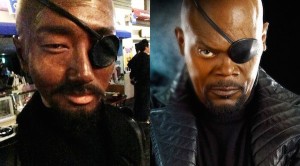
- Recurring Blackface and Slurs: Incidents involving idols such as Super Junior’s Yesung or Block B’s Zico using blackface or racial slurs in lyrics highlighted a recurring failure in sensitivity training. While these were often framed as "mistakes due to ignorance," the frequency of such events led to a demand for greater accountability.
Defining Cultural Appropriation in a Globalized Market
The distinction between appreciation and appropriation remains a central theme for Black K-pop enthusiasts. Within the journalistic and fan community, appropriation is defined as the act of using another culture as a temporary aesthetic or costume while denying the members of that culture respect or agency.

In a professional analysis of the industry, this is often viewed as a byproduct of South Korea’s historical isolationism. While the education system focuses heavily on national history and East Asian relations, it rarely covers the nuances of Western racial politics. Consequently, symbols like the Rising Sun flag are recognized as deeply offensive in Korea, whereas the Confederate flag or the history of minstrelsy (blackface) are not afforded the same level of scrutiny.
Black fans, such as those participating in the Seoulbeats roundtable (Camiele, Cjontai, and Taylore), argue that in 2015 and beyond, "ignorance" is no longer a viable excuse for multi-billion dollar corporations aiming for Western market penetration. If a company seeks to profit from the U.S. market, they contend, that company has a fiduciary and ethical responsibility to conduct basic cultural research.

Data and Representation: The "Invisible" Black Fan
The K-pop fandom is frequently characterized as a monolith, yet demographic data suggests a highly fragmented reality. In the United States, the Black K-pop fanbase is a significant and vocal segment of the community. Despite this, Black fans report a sense of invisibility within fan-produced content.
For instance, in "reader-insert" fan fiction or "fan-call" simulations, the descriptions of physical features—such as "running hands through straight hair" or "pale skin"—often exclude Black fans. This lack of representation reinforces the idea that the "ideal" fan is non-Black, creating a psychological barrier for those who invest time and money into these groups. Furthermore, Black women in the fandom often discuss the "sensuality gap," where Black female artists like Beyoncé or Nicki Minaj are used as templates for "exotic" or "aggressive" concepts in K-pop, but Black fans themselves are rarely viewed as the intended romantic demographic for the idols they support.
Official Responses and Agency Responsibility
The reaction of South Korean entertainment agencies to these criticisms has been inconsistent. Some agencies, like Seven Seasons (management for Block B), have been noted for their willingness to engage with international fanbases. When fans reached out to educate the agency on the offensive nature of certain lyrics or behaviors, the company issued apologies and took corrective measures.
However, many other agencies maintain a policy of silence, hoping that the news cycle will move on. This "let it slide" mentality is often echoed by non-Black fans who prioritize the "spotless" image of their idols over the concerns of marginalized community members. Critics argue that this creates a toxic environment where Black fans are accused of "fake outrage" or "bullying" for simply requesting that their culture not be mocked.

Broader Impact and the Future of Cultural Competency
The implications of this cultural friction extend beyond music videos. As K-pop idols increasingly participate in global fashion weeks and collaborate with Western brands, their cultural literacy becomes a matter of brand safety. A single racially insensitive post can result in the loss of major endorsements and a permanent stain on an artist’s international reputation.
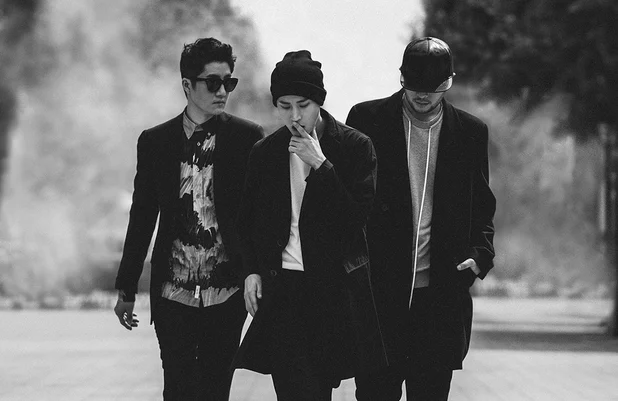
Moreover, the "Impress Us" dynamic—where non-Black rappers feel a need to prove their superiority or "authenticity" to the Black community—has created a palpable tension. Artists who stay true to their own roots while acknowledging their influences, such as Tiger JK, Tasha (Yoon Mi-rae), and Dynamic Duo, are often cited by Black fans as the gold standard for how to navigate hip-hop in Korea. These artists do not "put on a costume"; they contribute to the genre with respect and a deep understanding of its history.

Conclusion: A Call for Mutual Respect
The consensus among many Black K-pop fans is not a desire to "gatekeep" music, but a demand for a reciprocal relationship. If the K-pop industry is to continue its ascent as a global cultural powerhouse, it must move toward a model of "informed appreciation." This involves:
- Educational Investment: Agencies must hire cultural consultants when pursuing concepts rooted in specific ethnic identities.
- Active Listening: Fandoms must create space for marginalized voices to express discomfort without facing harassment.
- Authentic Representation: Acknowledging the diversity of the global fanbase in marketing and fan engagement.
Music, often described as a universal language, has the power to bridge divides. However, for that bridge to be stable, it must be built on a foundation of mutual respect. As one fan noted, the beauty of music, like a stained-glass window, is only fully realized when all its colors are allowed to shine without being obscured or distorted. For the Black K-pop fan, the goal is simple: to enjoy the music they love without having to compromise their dignity or heritage.